While an abuse of use of alcohol is a serious, wrong and in many cases, a criminal act, there is no doubt that alcohol, from all reports used and enjoyed properly, was certainly a part of the lives of the founding fathers and warriors of the United States.
It was at City Tavern in Philadelphia in May 1774, that more than 200 men gathered in the gallery to respond to the request for help from Bostonians following the passage of the Boston Port Bill, one of many events that took place there. The first Fourth of July celebration was held at the building in 1777, and General George Washington first met the Marquis de Lafayette there in 1777.
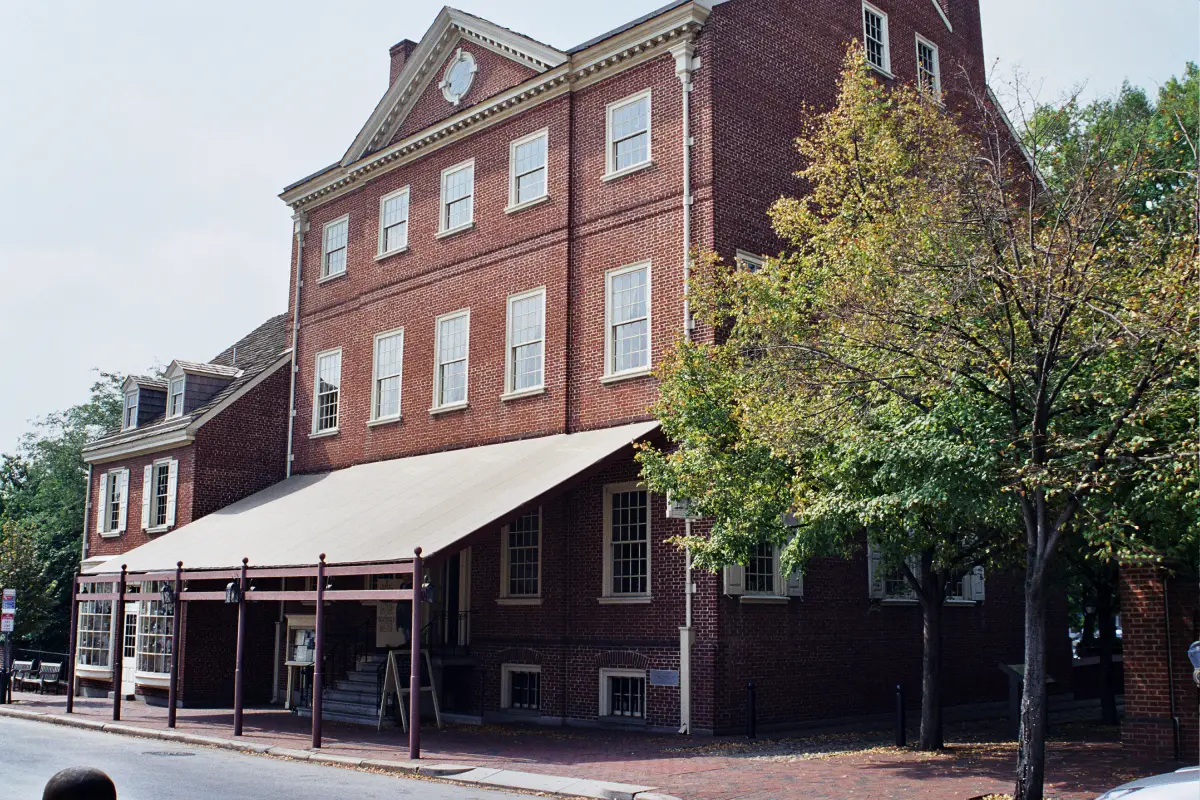
City Tavern was built on land passed from Samuel Powel in 1772 to seven wealthy citizens who built it at a cost of more than or about $4, 000. John Adams called it the “most genteel tavern in America”, and it soon become a favorite meeting place of some Founding Fathers and members of the First Continental Congress.
History shows our founding fathers and their neighbor drank more alcohol than the average community does today, sipping everything from wine, cider and beer to rum, to mixed drinks. That alcohol drinking had a profound influence on the American Revolution could be determined by a variety of quotations from our leaders of the time that showed the impact of alcohol on their society, politics and economy.
In the 18th century, molasses was the primary ingredient in rum, the most popular spirit in colonial America. So when England passed the Sugar Act in 1764—putting a tax on foreign sugar and molasses—all knew it would have a serious impact financially on the colonies.
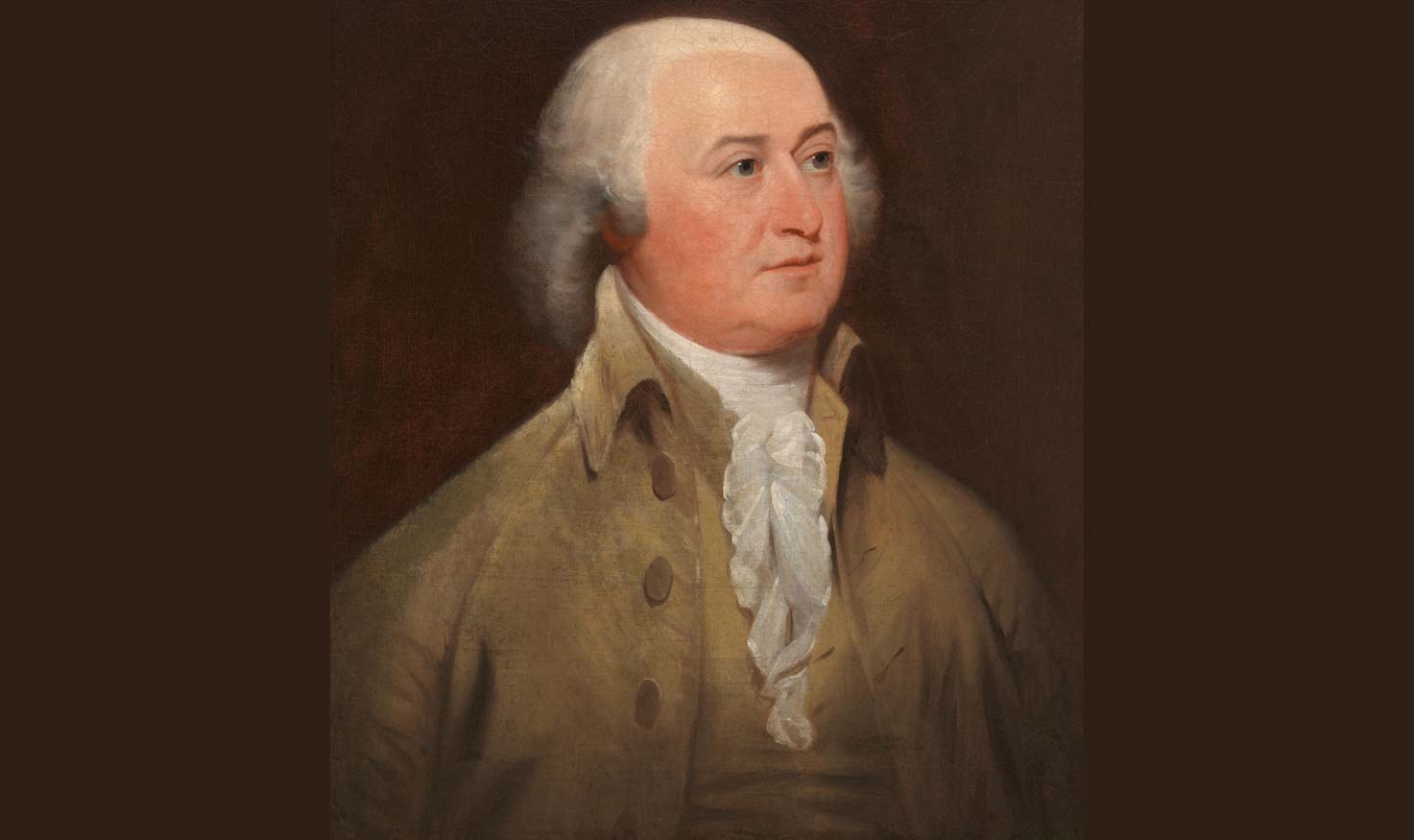
Boston, the capital of Massachusetts, would be especially impacted since at the time it was also the leading rum distiller in all the colonies; most likely the reason its inhabitants were the first to protest the tax. It was the Stamp Act that followed and put a tax on all legal and official papers in the colonies that marked the beginning of a decade-long resistance to taxation without representation that ultimately, according to John Adams, led to independence.
There are records that show the fondness Washington, Jefferson and especially the wealthy John Hancock had for madeira wine which was imported from the island was a fortified beverage. Hancock had it smuggled into the colonies.
Southern patriots were especially known for their outstanding marksmanship in spite of often showing up for drills under the weather for imbibing in a glass or two. It was common during colonial times for military leaders to conclude a day’s workout with a drink or two, so it is not surprising that sometimes it occurred earlier in the day, while drilling was still going on.
Alcohol was part of the Continental Army’s rations, since it was known to soften the horrors of war, warm soldiers during cold weather, and provide diversion on monotonous days. It functioned as medicine and could incite men to fight stronger and longer.
Beer and cider were the preferred rations, but they were often unavailable and replaced with rum or whiskey. While food was also supposed to be a part of the provisions, soldiers rarely had both so often drank their liquor rations on empty stomachs.
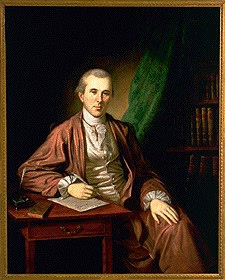
Benjamin Rush, a signer of the Declaration from Pennsylvania, was probably one of the earliest founders of the temperance movement. As a doctor who served as a surgeon general of the Continental Army, he was concerned how alcohol rations affected soldiers. He believed that some alcohol, like beer, cider, and wine were healthy, but, “strong drink”… alcohol that was distilled, like rum, brandy, and whiskey, gave soldiers less control over themselves. He spent many years studying alcohol addiction and cautioning Americans away from distilled liquors.
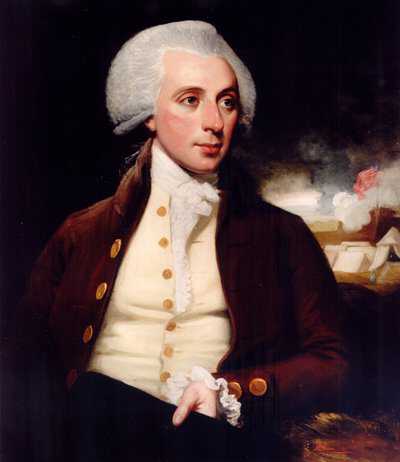
Charles Adams was known to have a problem with alcohol, as evidenced in writings from his mother, Abigail, to a friend. At one point, the year she was leaving the White House, 1800, she wrote: I found my poor unhappy Son, for so I Must still call him, laid upon a Bed of sickness destitute of a home … a distressing cough, an affection of the liver and a Dropsy will soon terminate a Life … his Physician Says, he is past recovery—I shall carry a Melancholy report to the President.”
Charles suffered from alcohol-related health problems, a new concept pioneered by Rush, who called such addiction a “disease”
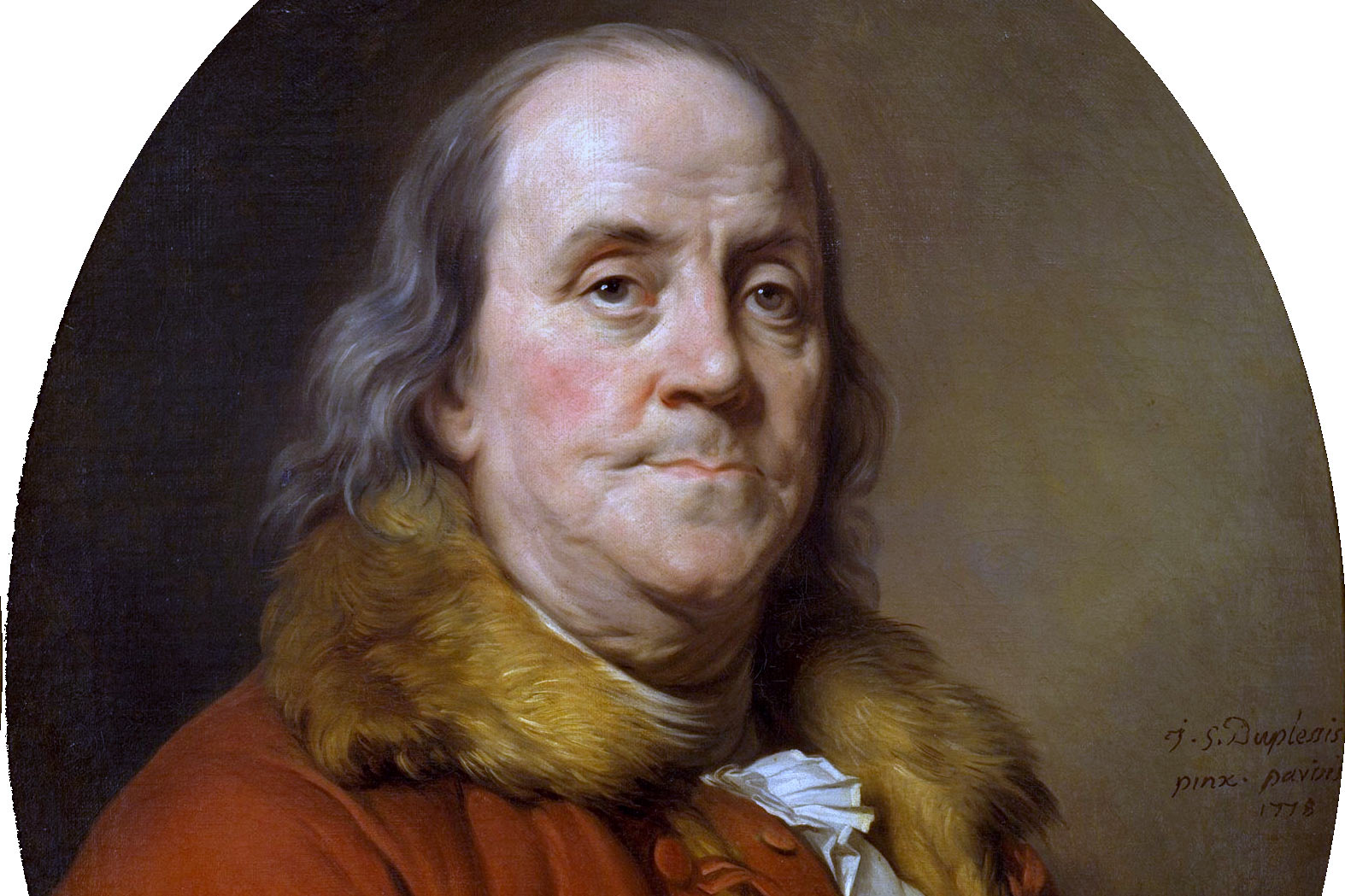
Benjamin Franklin found an affinity for wine while he was in Europe helping to secure an alliance with France and sampled their wines. He was known to load up his cellar with thousands of bottles, including champagne. Franklin wrote about wine in French to a friend, and also composed drinking songs and penned cocktail recipes, and while he drank all varieties of alcohol, he always said wine was the best.. His missive to his friend said Behold the rain which descends from heaven upon our vineyards; there it enters the roots of the vines, to be changed into wine; a constant proof that God loves us, and loves to see us happy.”
Washington was a distiller himself and hired a Scottish immigrant to manage is farm He had the distillery built at Mount Vernon , using his enslaved help for the construction as well as the distilling of whiskey, rum and brandy. Mount Vernon became one of the nation’s largest distilleries until Washington’s death in 1799, and gallons of the plantation’s whiskey were served at his funeral.
According to author James M. Gabler who wrote Passions: The Wines and Travels of Thomas Jefferson and John Hailman, author of Thomas Jefferson on , Thomas Jefferson was a man with exacting taste, and when he lived in France, like Franklin, became passionate about European wines. He traveled and tasted throughout the continent and met winemakers and merchants. When back home, those who dined with Jefferson remarked on his frequent wine consumption with meals and how often he talked about his wine interests. John Quincy Adams complained that at Jefferson’s dinner parties “there was as usual a dissertation upon Wines.” As the first secretary of state, Jefferson was useful to President Washington in ordering thousands of bottles of European wine for presidential entertaining.
When Jefferson was elected to the Presidency in 1800, he continued the tradition of serving plentiful wine at parties and helped further establish the American governing class. The third President once wrote to a friend that “habit having rendered the light and high flavored wines a necessary of life with me.”
alcohol