With all the Naval bases in the Norfolk area, the magnificence of the Chesapeake Bay Bridge Tunnel, the campgrounds, spectacular seashore and even a concrete three-mile-long boardwalk, Norfolk still has so much more to offer in the area of entertainment, education, and sheer beauty.
You get all that at Norfolk Botanical Gardens, the largest botanical gardens in the state of Virginia and one of the finest and most diverse in the country.
And it all started with azaleas.
Back in the mid-1930s, the city’s, city manager, Thomas Thompson got the idea for the gardens along with a horticulturist, Frederic Heutte.
Heute had a special fondness for azaleas and thought the Hampton Roads area was perfect in every way for growing them. The city manager thought a garden in Hampton Roads could vie for all the tourists visiting the gardens in Charleston South Carolina. So azaleas it was.
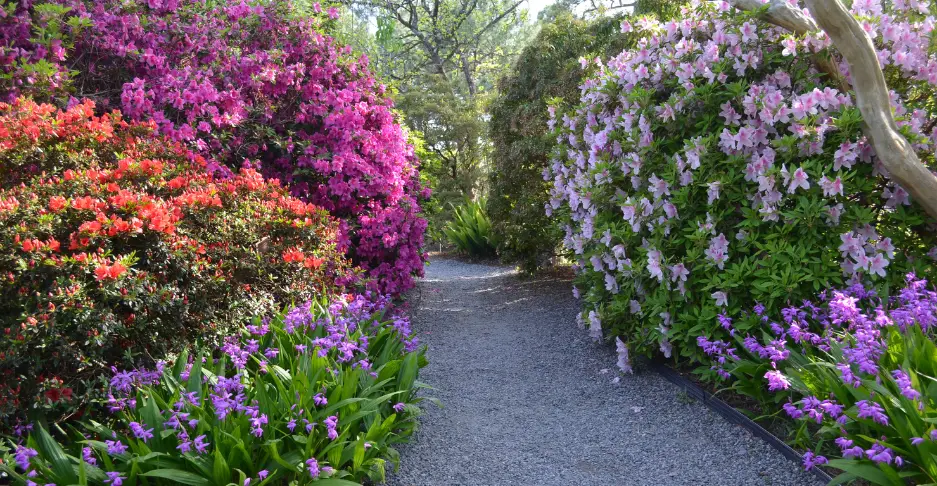
The city set aside 75 acres of land in Norfolk and another 75 acres of Little Creek Reservoir and Norfolk Botanical Garden was planted.
It was Depression time as well, and politicians working together managed to secure a $75,000 WPA grant. The Works Progress Administration was an American New Deal agency that employed job seekers to carry out public works projects from roads and public buildings to, well, yes, gardens. An Azlea Garden project to be exact.
The city had earned other WPA projects and most of the available men were already at work at those projects, so the WPA offered the grant for the 20 men and 200 African American women who were then assigned to build he garden project. There is a section of the Gardens and a statue honoring the women who built the Gardens.
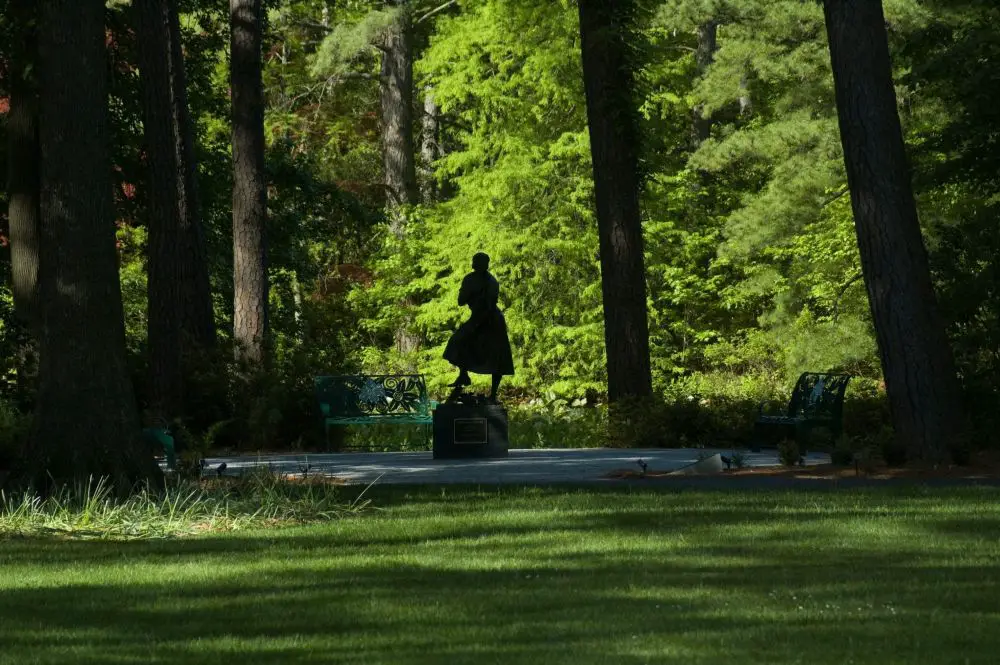
And work they did, first by clearing the heavy vegetation on the property and hauling out all the dirt to build a levee for the lake. Going rate of salary was a quarter an hour and more than 150 truckloads of dirt were moved.
Next came clearing underbrush and getting healthy soil ready for planting. By the beginning of the 1930s, the Botanical Gardens were home for 4,000 azalea plants, 2,000 rhododendrons and thousands more shrubs, trees and daffodils. When the local Congressman secured another $140,000 for the Garden, the Old Dominion Horticultural Society offered volunteer labor to keep everything going. By the early 1940s, there were about 5,000 azaleas blooming, along with five miles of walking trails spreading over 75,000 areas of landscaping.
Ever since, there have been improvements, expansions, more volunteers, making progress and teaching natives and visitors alike how incredibly special horticulture can be. Along the way, the name got changed from Azalea Gardens to Norfolk Municipal Gardens, then the gardens became the setting for the International Azalea Festival; the Old Dominion Horticultural Society took over maintenance and changed the name to Norfolk Botanical Garden.
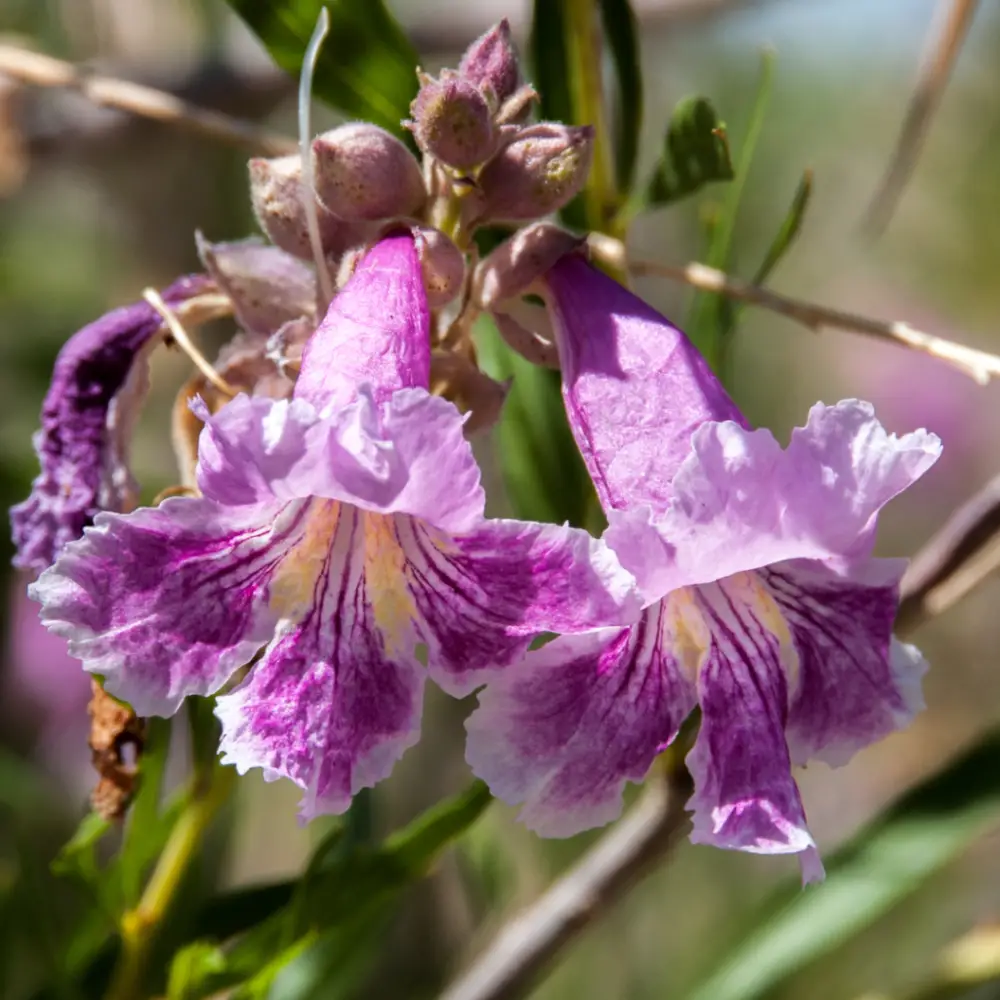
Since then, the Garden has expanded to include dozens of ‘specialty gardens displaying magnificent varieties of flowers related in specific ways. The Japanese Garden, a broad area with footpaths and ponds to cross, is filled with flowers, trees and shrubbery native to Japan, all identified by tags mounted in the ground; the Desert Plant Garden has more varieties of plants that you can count, the Rose Garden overflowing with all varieties of the flower, there are gardens devoted to each of the four seasons, the Children’s Garden where youngsters can touch, smell and taste edible plants and splash in the fountains.
There are sunken gardens, a butterfly garden, a hummingbird garden, a Sculpture Garden and a Healing Garden to introduce visitors to plants with healing properties as well as to provide a peaceful haven of rest and healing. The garden features medicinal plants, a stream and pools, encouraging visitors to rest a while even while touring this very restful environment. Altogether, there are more than 60 different massive areas of specialty blooms and trees, annual and perennial flowers spread over 175 acres.
Yet it was two “non-garden sites that were most impressive and memorable for me. One garden is dense woods, aged trees stretching to the sky, underbrush so thick you couldn’t walk through, an area of more shadows than sunshine. That, the guide said, was what the first visitors to the area got to see hundreds of years ago.
It made you think of women and children seeing this as their new home when they got off the boat after months of traveling across the ocean, seasick days, little food and hopes for a new life in a new land. It was stark enough to make you appreciate what our forefathers faced when they left their families and homeland and settled and established a new homeland of their own.

The second unique facet of the Gardens visit was the shock of seeing Norfolk International Airport as the direct neighbor of the Botanical Gardens and both enjoying the relationship.
At the outskirts of the Botanical Gardens, visitors are encouraged to climb the short hill to a landscaped viewpoint directly adjacent to the runways of the airport. To make it even better, there are speakers at the site so visitors can stand on the berm, watch the planes and hear the interaction between pilot and tower. You’re even close enough so you can see, when you wave to a departing pilot in his Southwest plane, he even waves back!
As wonderful as the Botanical Gardens are, there’s plenty of room for improvement. The open-air bus that runs through many of the areas runs on the hour and is about 45 minutes long; it should be a must for everyone to take, preferably before venturing out on their own. The names of the plants should be morr clearly identified within a group of distinct species; so each can be separated from the other and clearly identified and the park map for walking should be clearer.
Regardless, it’s a wonderful way to spend a few hours or an entire day, an island of serenity and quite in an area where jet planes and helicopters dominate the sky.
Tired of Facebook? You can also Find ViniVidiScripto on the Following Platforms …
Bases Bases Bases Bases Bases Bases Bases