That Sandy Hook is one of the very best places in the north to observe birds cannot be denied, and that the National Recreation Area provides great walking trails, perfect bird watching spots and plenty of maps and programs to make bird watching a new and exciting hobby also cannot be denied.
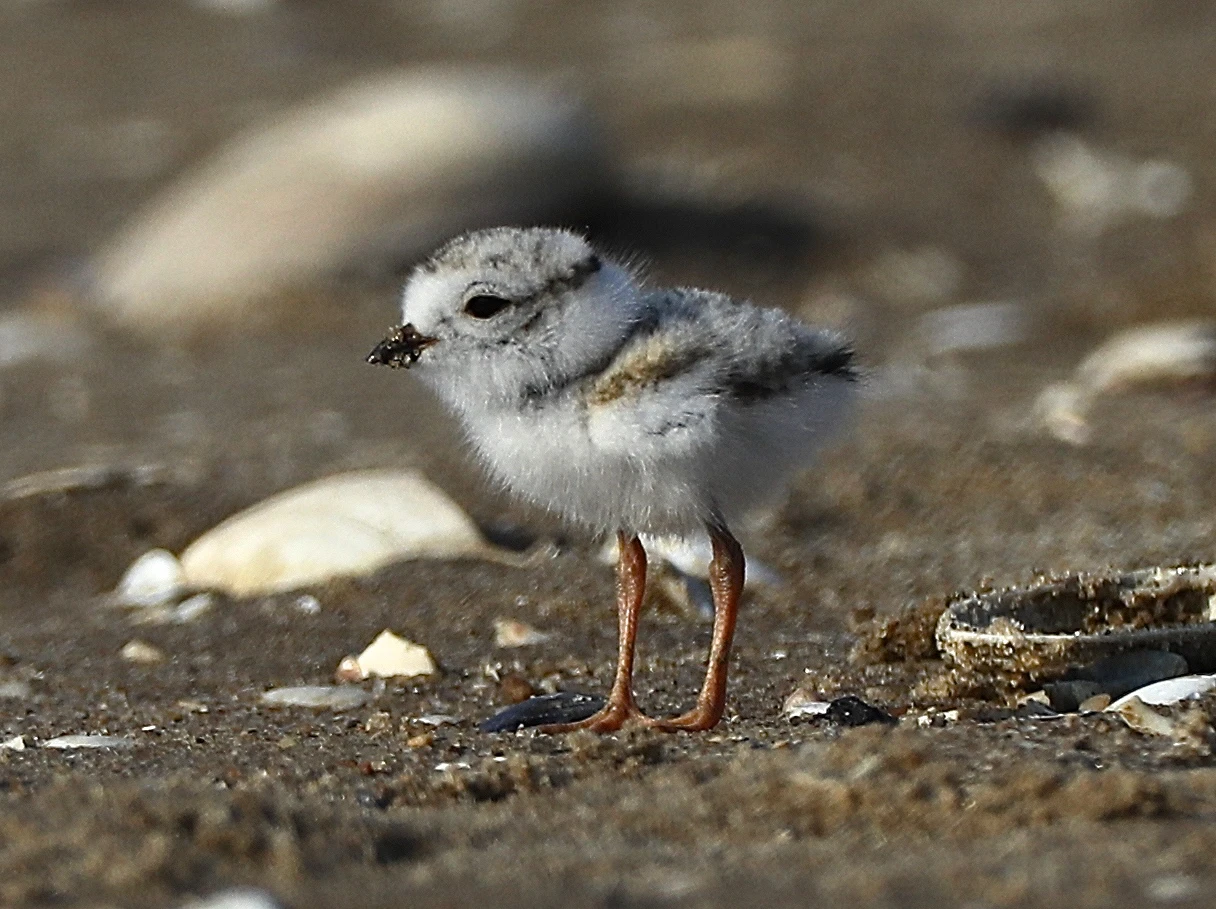
But now, the Park Service has come out with a terrific pamphlet, Birds of Sandy Hook, with some startling information. The pamphlet is a compilation of all the varieties of birds that have been seen at Sandy Hook during the years from 1974 through 2021.
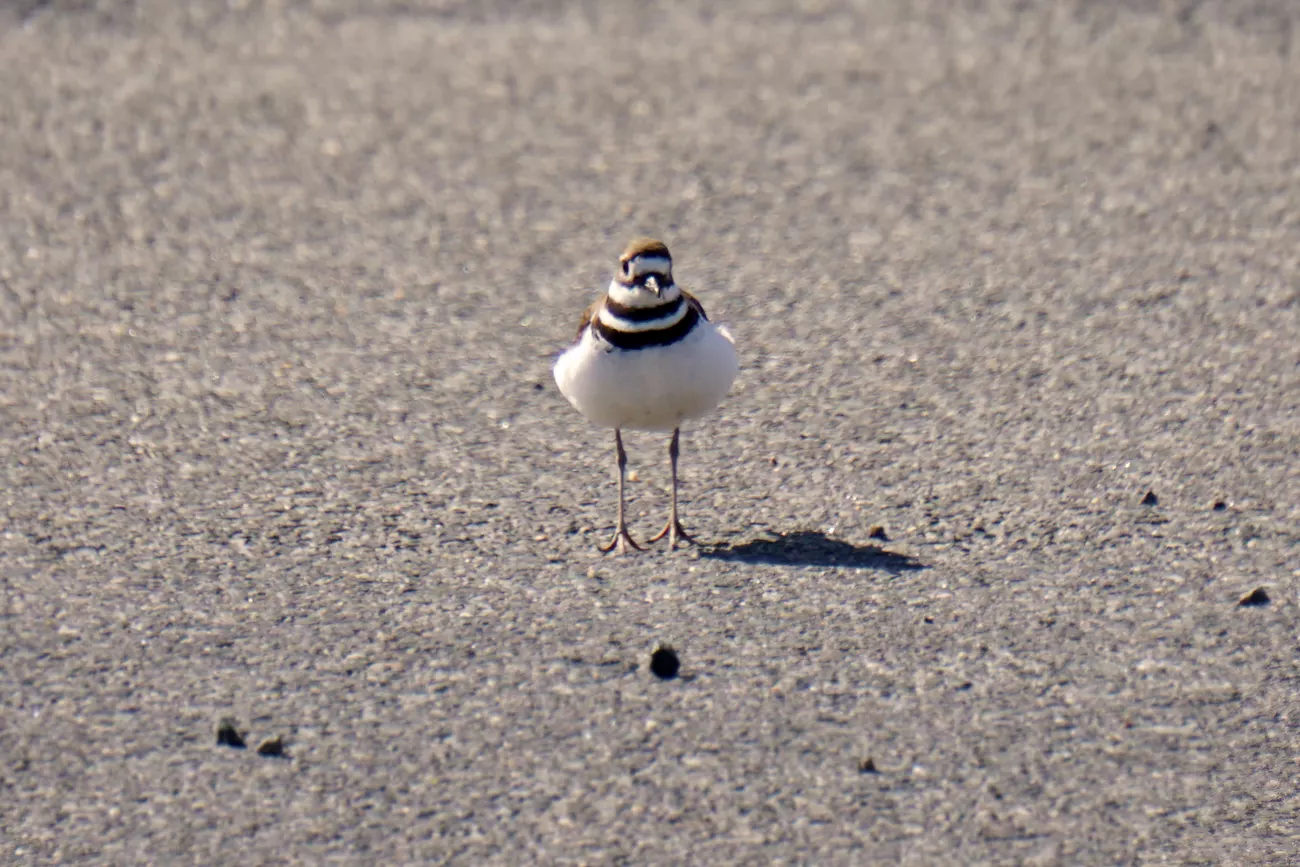
Before reading the next paragraph, take a guess how many different species have been spotted there. Perhaps only once or twice, probably only during specific seasons, and some either occasional, rare or common visitors.
Would you believe that comes to a total of 362 different species?
Santa Ana National Wildlife Refuge System in Alamo, Texas, is known as the Jewel of the Wildlife Refuge System,. It is home to green jays and great kiskadees and draws visitors from throughout the United States and 35 or so other countries simply to see the varieties of birds and butterflies that pass through this semi tropical thorn forest that lies in the heart of several different migratory bird paths,. Santa Ana boasts of about 400 different species of bird sightings.
While Sandy Hook features a mix of maritime forest, vegetated dunes, tidal marshes, and sandy beaches , all habitats that support a diverse array of wildlife and seasonal birding visits, it is a sensational spot where professional and die hard bird watchers a well as casually interested folks can explore trails, observation platforms, and access points along the water to spot birds.
We who live in the Bayshore often get to see some of these varieties in our backyards, in trees along the street, or on the Shrewsbury and Navesink rivers because of our proximity to Sandy Hook..
The new pamphlet from Sandy Hook could make bird watching at home a lot of fun for the casual observer, or when you just want to know what kind of bird that is that just landed on your bird feeder or scared away the field sparrow or Eastern towhees that are always there.
The pamphlet, together with that new app you can put on your computer or phone that gives the song of specific birds and identifies them when you hear them outdoors, can open up an entirely new relaxing hobby for the home bound and everyone.
Available at Sandy Hook, the pamphlet, actually a two foot long printed on both sides folded information sheet, lists the sightings as common, uncommon, meaning observed about 15 per cent of the time, occasional, rare, or very rare, meaning they were seen less than one percent of the time and reported. It also lists the seasons in which the birds were seen and separates them by species, including the geese, swans and ducks , separate from loons and grebes, separate from pelicans, boobies and gannet, or herons and ibis.
Nor is it only the water birds that are identified. Sandy Hook is home or a visiting place for warblers, waxwings, flycatchers, woodpeckers and all those sparrows and crows we see as well. Identifying birds that visit your own home can be a hobby for the whole family or the person living alone, and being able to check off sightings on a list as extensive as Birds of Sandy Hook is a relaxing way to spend some off time.
Stop over Sandy Hook, walk one of the trails, request the pamphlet, and start relaxing and learning with a new hobby. It’s summer….the yellow warblers, the white-eyed vireos, piping plovers and the tern are coming and they might be in your back yard!
birds



Honoring Honoring Honoring Honoring Honoring HonorHonoringing Honoring Honoring Honoring Honoring Honoring Honoring Honoring Honoring
eagle eagle eagle eagle eagle eagle eagle eagle eagle eagle eagle eagle HAPTER 1 LOOMINGS. Call Me Ishmael. Some years ago—never mind how long precisely—having little or no money in my purse, and nothing particular to interest me on shore, I thought I would sail about a little and see the watery part of the world. It is a way I have of driving off the spleen, and regulating the circulation. Whenever I find myself growing grim about the mouth; whenever it is a damp, drizzly November in my soul; whenever I find myself involuntarily pausing before coffin warehouses, and bringing up the rear of every funeral I meet; and especially whenever my hypos get such an upper hand of me, that it requires a strong moral principle to prevent me from deliberately stepping into the street, and methodically knocking people’s hats off—then, I account it high time to get to sea as soon as I can. This is my substitute for pistol and ball. With a philosophical flourish Cato throws himself upon his sword; I quietly take to the ship. There is nothing surprising in this. If they but knew it, almost all men in their degree, some time or other, cherish very nearly the same feelings towards the ocean with me. There now is your insular city of the Manhattoes, belted round by wharves as Indian isles by coral reefs—commerce surrounds it with her surf. Right and left, the streets take you waterward. Its extreme down-town is the Battery, where that noble mole is washed by waves, and cooled by breezes, which a few hours previous were out of sight of land. Look at the crowds of water-gazers there. Circumambulate the city of a dreamy Sabbath afternoon. Go from Corlears Hook to Coenties Slip, and from thence, by Whitehall, northward. What do you see?—Posted like silent sentinels all around the town, stand thousands upon thousands of mortal men fixed in ocean reveries. Some leaning against the spiles; some seated upon the pier-heads; some looking over the bulwarks of ships from China; some high aloft in the rigging, as if striving to get a still better seaward peep. But these are all landsmen; of week days pent up in lath and plaster—tied to counters, nailed to benches, clinched to desks. How then is this? Are the green fields gone? What do they here? CHAPTER 1 LOOMINGS. Call Me Ishmael. Some years ago—never mind how long precisely—having little or no money in my purse, and nothing particular to interest me on shore, I thought I would sail about a little and see the watery part of the world. It is a way I have of driving off the spleen, and regulating the circulation. Whenever I find myself growing grim about the mouth; whenever it is a damp, drizzly November in my soul; whenever I find myself involuntarily pausing before coffin warehouses, and bringing up the rear of every funeral I meet; and especially whenever my hypos get such an upper hand of me, that it requires a strong moral principle to prevent me from deliberately stepping into the street, and methodically knocking people’s hats off—then, I account it high time to get to sea as soon as I can. This is my substitute for pistol and ball. With a philosophical flourish Cato throws himself upon his sword; I quietly take to the ship. There is nothing surprising in this. If they but knew it, almost all men in their degree, some time or other, cherish very nearly the same feelings towards the ocean with me. There now is your insular city of the Manhattoes, belted round by wharves as Indian isles by coral reefs—commerce surrounds it with her surf. Right and left, the streets take you waterward. Its extreme down-town is the Battery, where that noble mole is washed by waves, and cooled by breezes, which a few hours previous were out of sight of land. Look at the crowds of water-gazers there. Circumambulate the city of a dreamy Sabbath afternoon. Go from Corlears Hook to Coenties Slip, and from thence, by Whitehall, northward. What do you see?—Posted like silent sentinels all around the town, stand thousands upon thousands of mortal men fixed in ocean reveries. Some leaning against the spiles; some seated upon the pier-heads; some looking over the bulwarks of ships from China; some high aloft in the rigging, as if striving to get a still better seaward peep. But these are all landsmen; of week days pent up in lath and plaster—tied to counters, nailed to benches, clinched to desks. How then is this? Are the green fields gone? What do they here? CHAPTER 1 LOOMINGS. Call Me Ishmael. Some years ago—never mind how long precisely—having little or no money in my purse, and nothing particular to interest me on shore, I thought I would sail about a little and see the watery part of the world. It is a way I have of driving off the spleen, and regulating the circulation. Whenever I find myself growing grim about the mouth; whenever it is a damp, drizzly November in my soul; whenever I find myself involuntarily pausing before coffin warehouses, and bringing up the rear of every funeral I meet; and especially whenever my hypos get such an upper hand of me, that it requires a strong moral principle to prevent me from deliberately stepping into the street, and methodically knocking people’s hats off—then, I account it high time to get to sea as soon as I can. This is my substitute for pistol and ball. With a philosophical flourish Cato throws himself upon his sword; I quietly take to the ship. There is nothing surprising in this. If they but knew it, almost all men in their degree, some time or other, cherish very nearly the same feelings towards the ocean with me. There now is your insular city of the Manhattoes, belted round by wharves as Indian isles by coral reefs—commerce surrounds it with her surf. Right and left, the streets take you waterward. Its extreme down-town is the Battery, where that noble mole is washed by waves, and cooled by breezes, which a few hours previous were out of sight of land. Look at the crowds of water-gazers there. Circumambulate the city of a dreamy Sabbath afternoon. Go from Corlears Hook to Coenties Slip, and from thence, by Whitehall, northward. What do you see?—Posted like silent sentinels all around the town, stand thousands upon thousands of mortal men fixed in ocean reveries. Some leaning against the spiles; some seated upon the pier-heads; some looking over the bulwarks of ships from China; some high aloft in the rigging, as if striving to get a still better seaward peep. But these are all landsmen; of week days pent up in lath and plaster—tied to counters, nailed to benches, clinched to desks. How then is this? Are the green fields gone? What do they here? Honoring Honoring Honoring Honoring Honoring

