It’s hard to describe Eureka Springs in a few words. It’s a sprawled out town in northwestern Arkansas a stone’s throw from the Missouri border. There are no traffic lights in the town itself, nor are there any two streets that meet at a right angle. It’s located about 1400 feet above sea level, give or take the 100 to 200 feet or so between the start or end of just about every road. It’s the county seat of Carroll County which actually has two county office buildings.
It’s a town where the Osage tribe lived happily and alone until about 1825 when settlers came in a few at a time. After the Civil War it began to grow in leaps and bounds … that’s when some hustler came in and began bragging that the approximate 140 cold water springs scattered throughout the mountain were therapeutic and could cure eye problems in the hospital he built in one of the caves .

Population levels lay idle for a while after the scam was uncovered. But during the 20th century Depression, artists in particular, came into Eureka Springs because it was an affordable place to live. Today, those artists have filled the shops with their talent in paintings, sculptures and creative gifts, they’ve established art schools and writers colonies; there’s even an opera every summer.
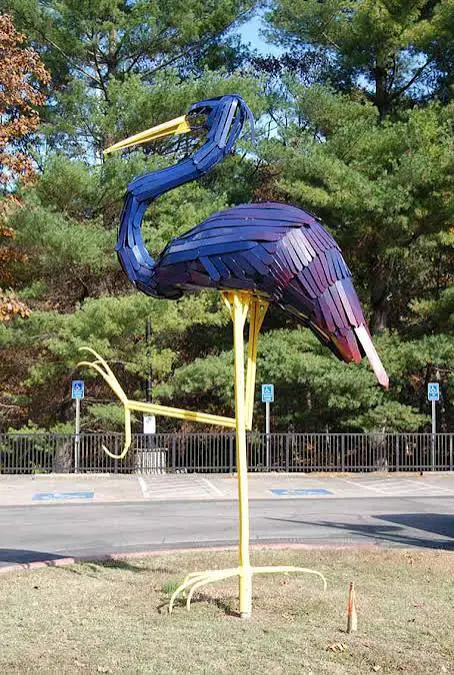
The town is also known by some as the Gayest small town in America, a reference to the many members of the LGBTQIA+ community who have created many of those art shops and outstanding restaurants that make Eureka Springs so charming.

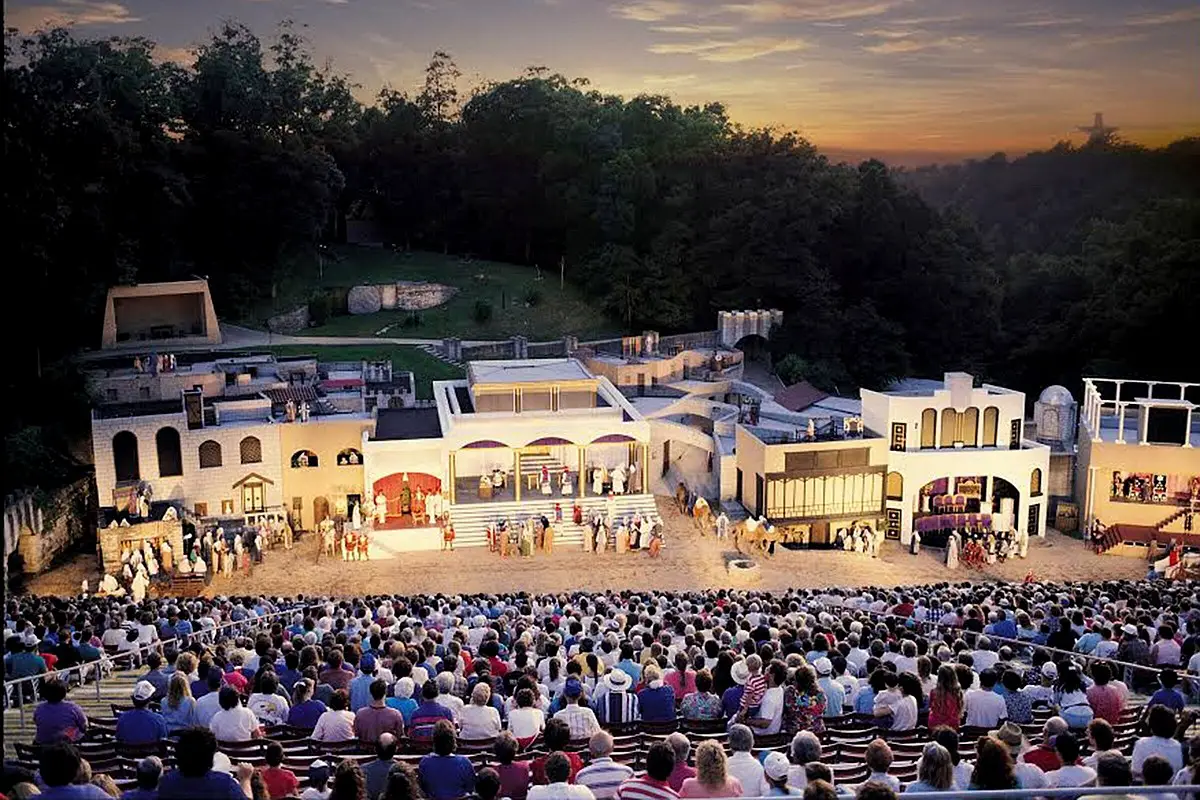
At the same time, it is also home to the annual presentation of an outdoor Passion Play that runs from May through October and is the largest outdoor drama in the country. More than seven million people have seen the play, as well as the Bible Museum created by Sacred Projects with thousands of Bibles and the creation of a life size Jerusalem in the Park.
This park is also the site of the Christ of the Ozarks, a seven-story high statue of Christ overlooking Eureka Springs and another of one of the most visited sites to see in this Ozark destination. Designed as a memorial and symbol of hope, it has a Biblical inscription at the bottom from John 12. “And I, if I be lifted up from the earth, will draw all men unto me.”
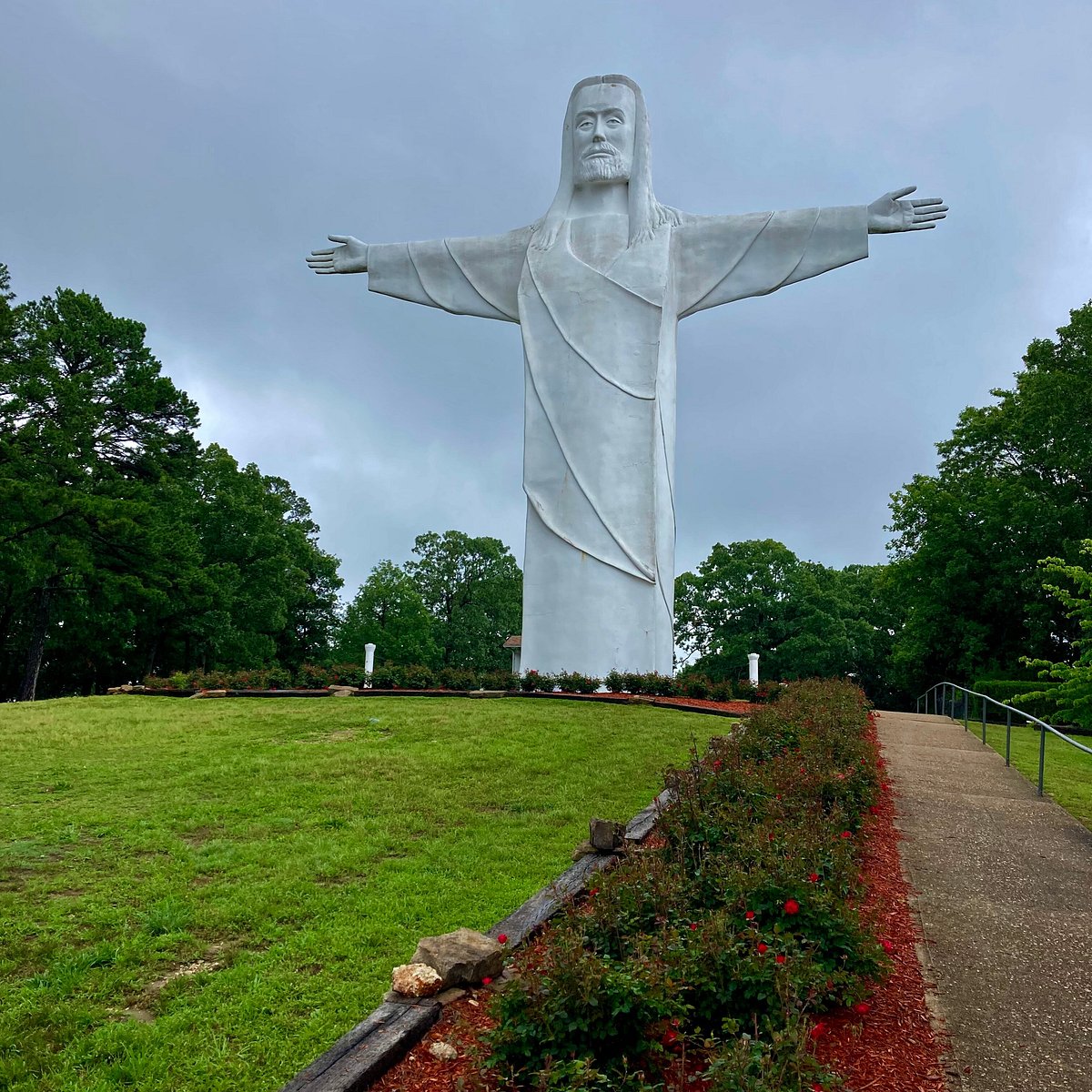
Sculpted by Emmet Sullivan, an apprentice to a sculptor of the Mount Rushmore Presidential monument, it was created in 1966 and open to the public by a short walk from a nearby parking area on what is known as Magnetic Mountain,.
The statue, which weighs in at more than two million pounds, is made of 24 layers of white mortar on a steel frame, and built completely by hand. The foundation includes 340 tons of concrete and steel, on a steel frame. Workers had to build an elevator first to complete the work which was surrounded by scaffolding during the construction phase. The face on the statue is 15 feet high and the hands seven feet long. The hands from wrist to fingertip measure approximately 7 feet.
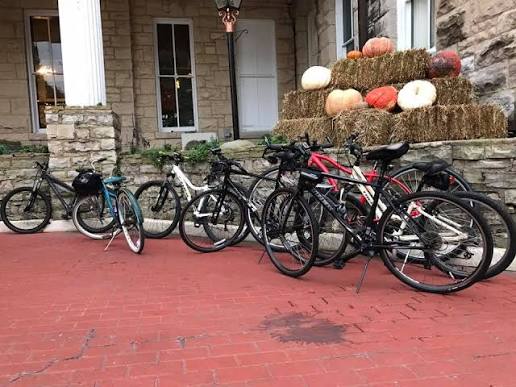
The town also draws hundreds of cyclists who take the hills, curves and winding roads with expertise and stay to spend money in the restaurants, bars and shops at several different shopping streets . There’s an automobile show every year that draws still more thousands, keeping Eureka Springs a town that pretty well enjoys and welcomes entertainment and excitement from every possible source.
Everything about Eureka Springs speaks to the tolerance and mutual respect residents feel towards each other.
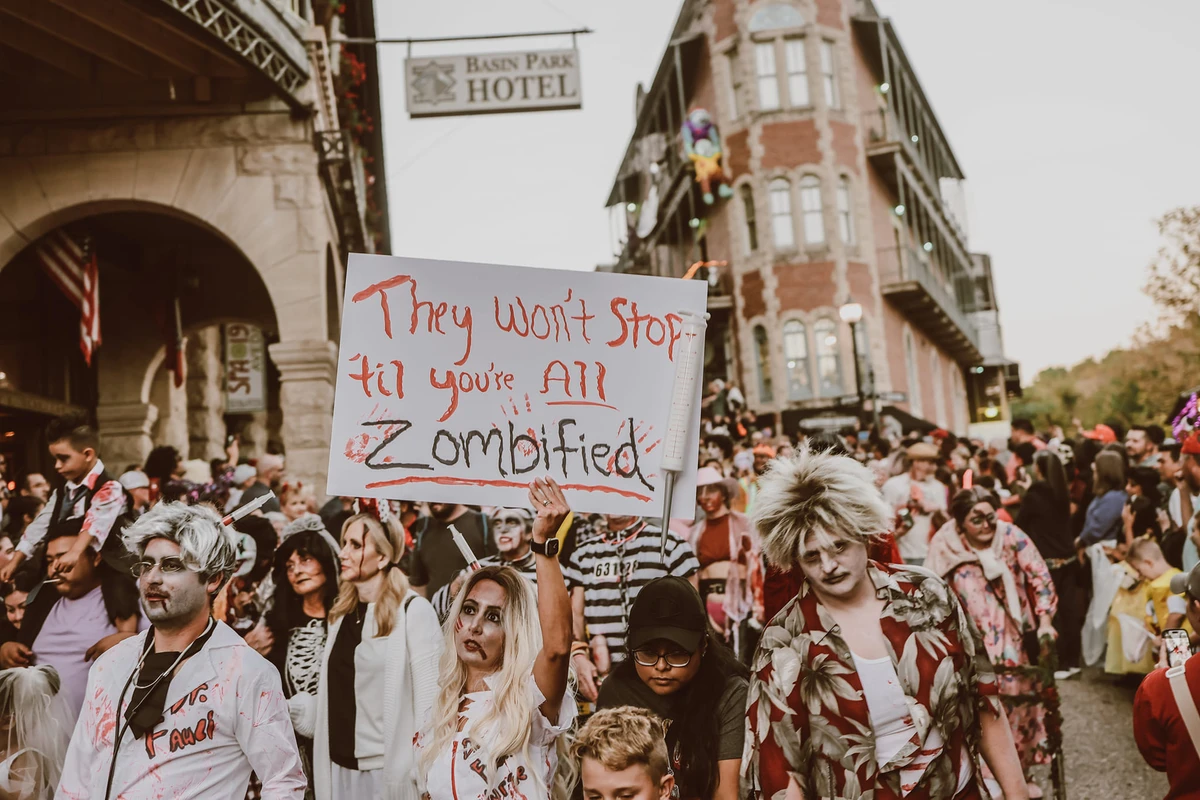
October is definitely an important month for celebrations in this town of contrasts. The Zombie Crawl is an informal parade through town that draws tens of thousands into the street in vivid colors, crazy costumes, lots of black paint, lots of laughter and candy tossing to the more than 10,000 visitors who crowded into Eureka Springs for this exciting parade. That parade is just one of the many events celebrating Halloween, zombies, ghosts, and scary costumes in a town that loves fun, laughter, and being friendly to everyone.
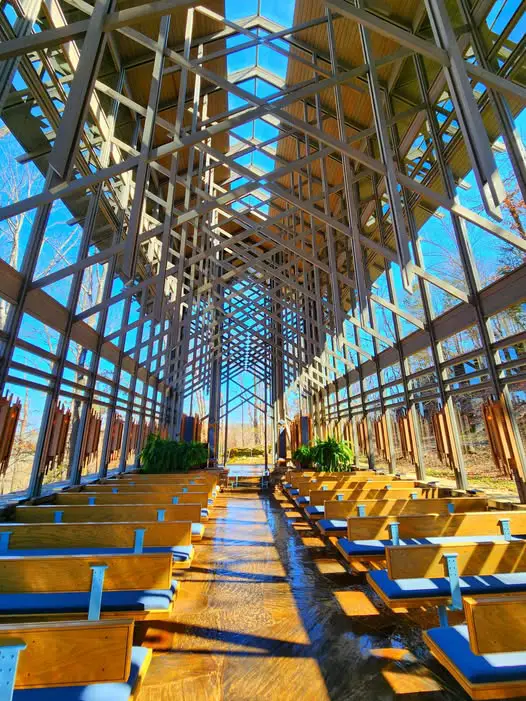
In contrast to the Zombies, gays, cyclists and theater goers, there is also Thorncrown Chapel, the result of an Arkansan who purchased about 25 acres of land in the early 1970s so he could build his retirement home in the hills. But when he discovered the number of visitors who stopped by his property or pulled in his driveway just to enjoy the magnificent view of the Ozark hills or picnic amid the tall trees and rock formations, he did not throw them out or put up a fence and Private Property signs. Instead, he and his wife thought it would be better to build a chapel in the woods as inspiration for those visitors who appreciated the natural beauty.
So Jim Reed contacted E. Fay Jones, an architect who shared his views. Jones was an apprentice of Frank Lloyd Wright and practiced organic architecture…he made his designs one with the environment and spoke of them as “operative opposites” meaning what you see is the direct opposite of what you expect. Jones reaction was almost instant; he wanted to build a Gothic style cathedral in the hills.
That is what Thorncrown Chapel is, sitting on top of more than 100 tons of native stone and colored flagstone A church like setting with glass walls that do not take away from the feeling of simply sitting in the midst of the woods. The chapel is 48 feet tall with a wooden structure, and made with more than 6,000 square feet of glass in the 425 windows that form this sanctuary for peace and relaxation. It is said this is a place where God whispers in your ear, that there is glory all around and God is in it all. The chapel is the site of many weddings in addition to the millions of people who have visited either in church groups or simply to view one more unique part of Eureka Springs.