Home Blog Page 14

Highlands Makes Me Happy

0
Highlands NJ

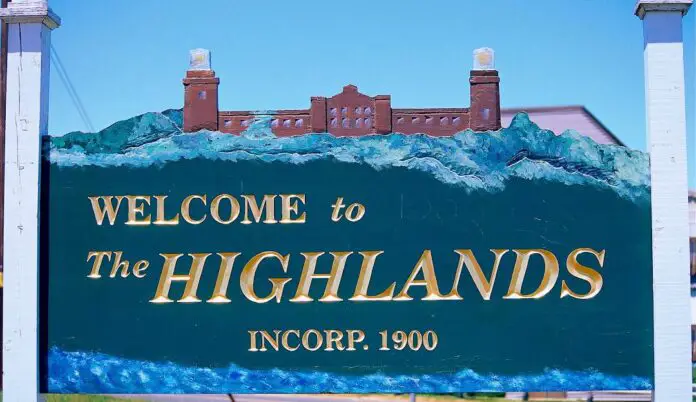
There are always so many things that make me happy, but for a day or two, it seems that the greatest majority of things that make and keep me happy were all happening in Highlands.

For those who go to Mass at Our Lady of Perpetual on Route 36, you’re going to be thrilled and delighted Saturday afternoon or Sunday when you see the spectacular paving job that has put new life in the church parking lot. Not only are all the bumps, cracks and crevices gone, but there is new and highly visible striping for parking places that are bright and easy to see. It was all done in two days and a very welcome sight.

Highlands Mayor Carolyn Broullon

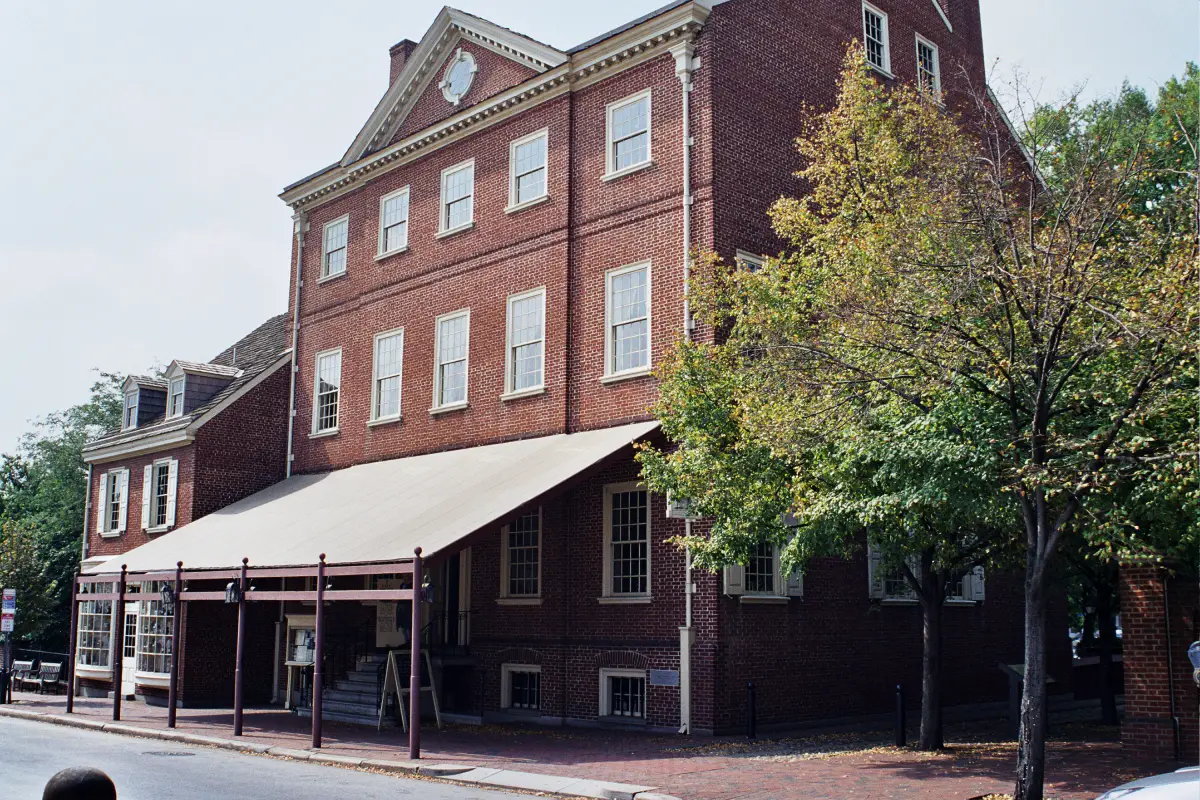
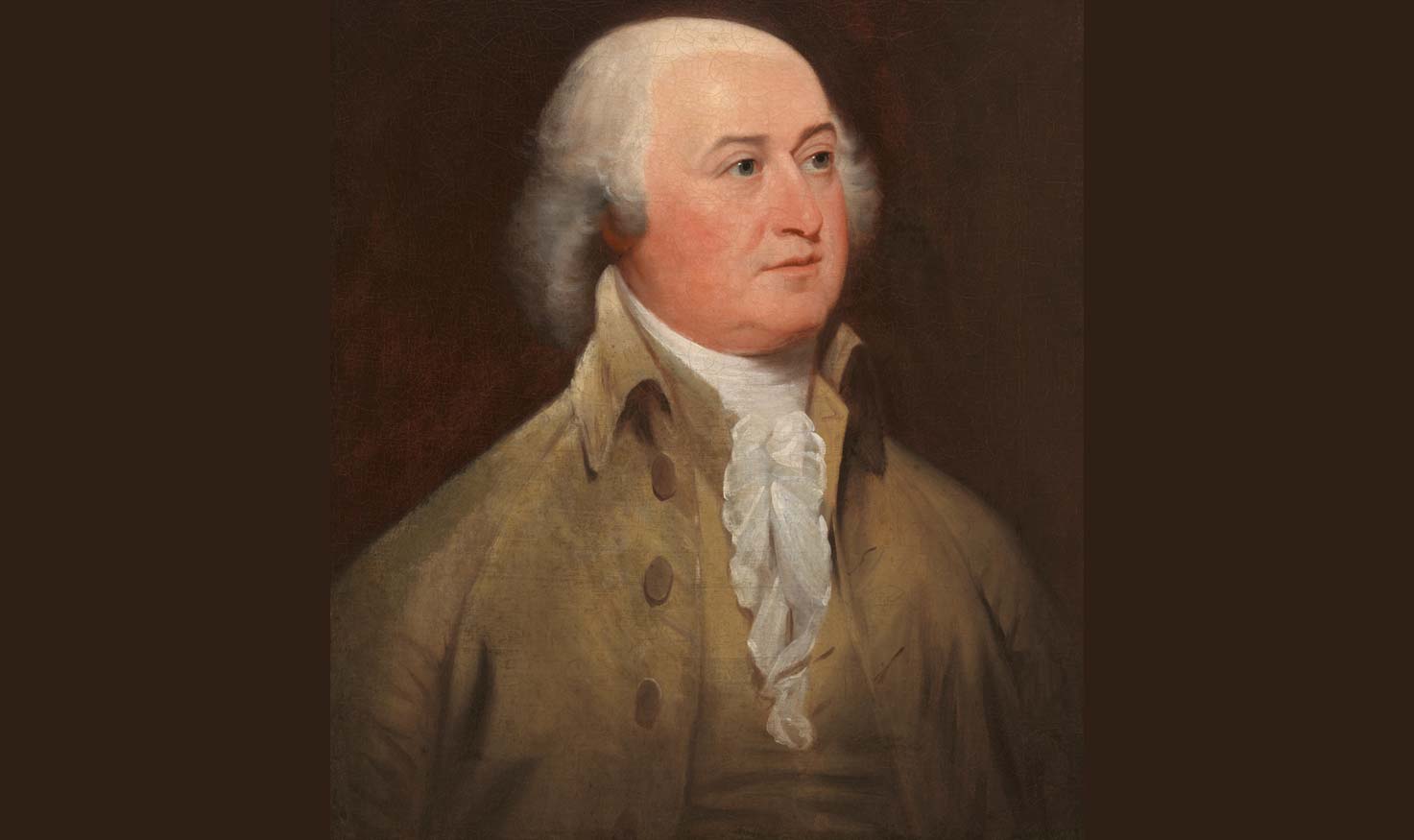
Hearing the Mayor and Council at this week’s Council meeting should make everyone who lives in the borough proud and happy. The Resolution honoring the nation’s 250th anniversary actually focuses on the borough, the role it played in the Revolution that brought about that Declaration, and why the people of Monmouth County … make that the nation … should know why Highlands people are so proud of their town.

The Highlands Historical Society talks about its pride in the borough’s history all the time, and it invites new members all the time to come and learn more about the people who helped create the town they all enjoy today. The Mayor is always bragging about Highlands and says it all in the Resolution…it’s a lesson in Highlands and American history just to read it.

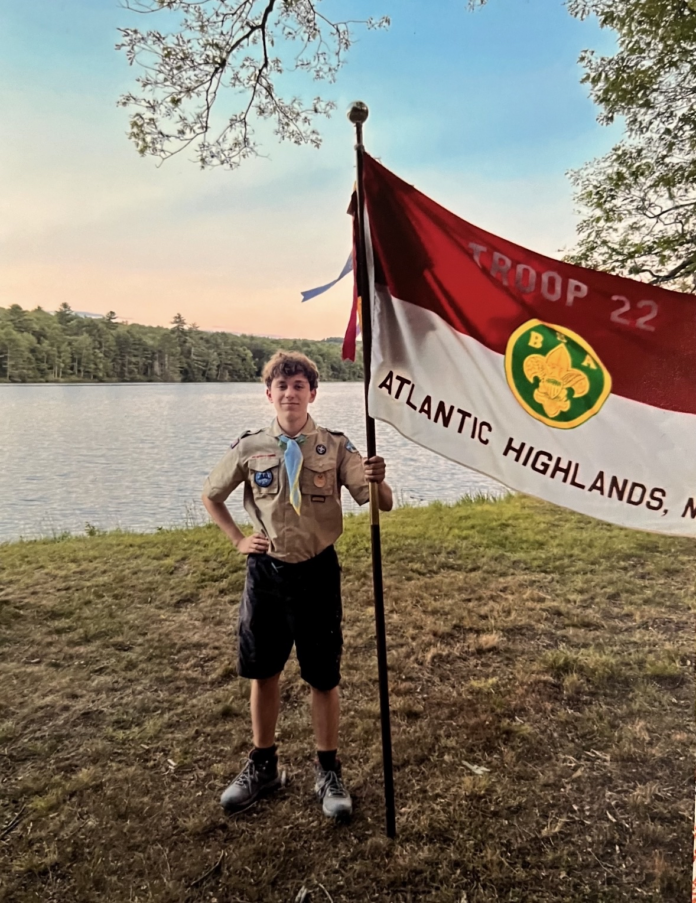
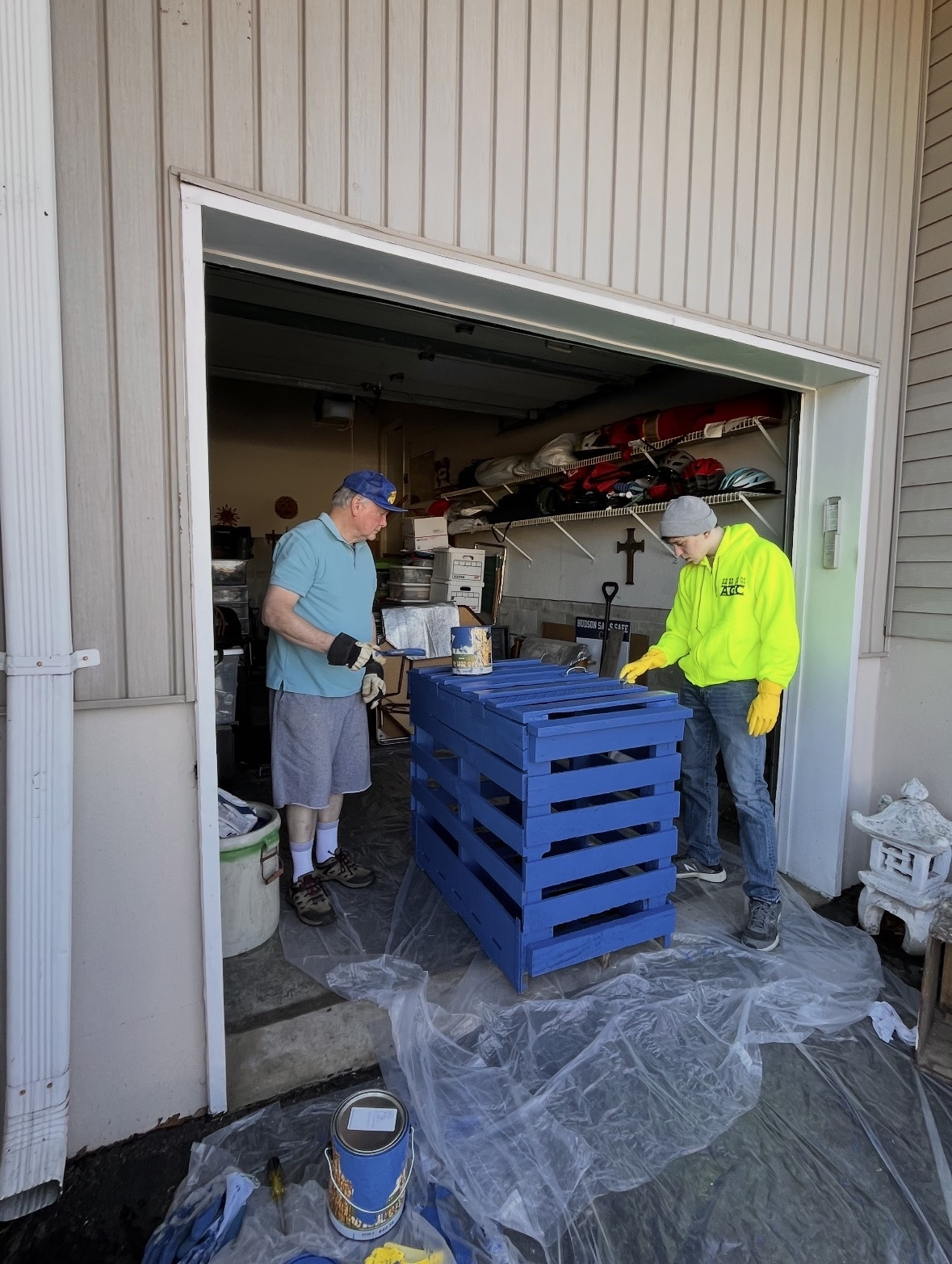
The Mayor also took the time, energy, and enthusiasm to send a personal letter of congratulations to Sean Weinperl, a local resident who next week will be presented his Eagle Scout award he earned for doing something to help the borough!. Anyone who knows scouting knows this is not an easy achievement to attain with any project, but Sean selecting the Highlands beachfront and helping both the kids, families and the environment takes on community pride. Sean’s a sophomore at the College of Charleston in South Carolina but will have a whole bunch of new friends at home because of his work.

Sean isn’t the only Eagle as of next week. Middletown’s Ethan Bennett earned his award by not only helping to improve the appearance of an elementary school in Middletown, but by doing so also taught so many youngsters how important it is to help others and take pride in their community…and he did it all while working at one job and hunting for another! Both scouts are in Troop 22 which seems to always make it scouts happy and proud of all they do.

Then, continuing to make me happy, I was at Ptak Towers in Highlands during the week when Father Thomas of OLPH was there to say his once a month mass and is greeted with thanks and appreciation of all the residents; they night not all go to the service, but they all like to see his personable, smiling face in the building. And the homily he gave on the importance of saying the Lord’s Prayer made everyone stop and think and appreciate the words and thoughts of the prayer even more.
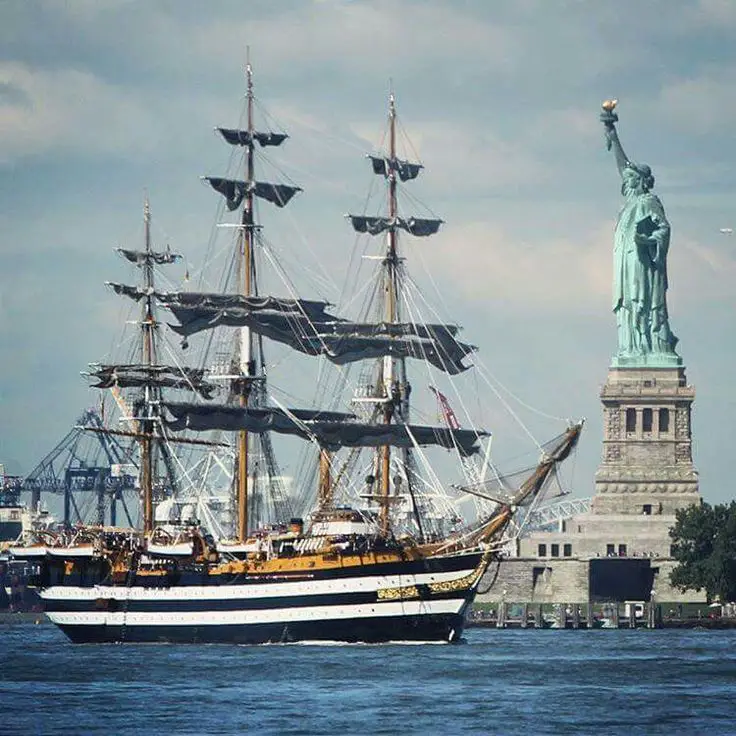
The Business Partnership and the borough welcoming the tallest of the tall ships for the Parade next month brought back happy memories of half a century ago when that same ship brought so many happy cadets, new friends, and lots of great activity to the borough during the 1976 celebrations. Those cadets on the Americo Vespucci in ’76 are long past their days on the training ship, but it’s fun to see an entire new group of young cadets coming back to the same town and be welcomed by another generation who want to share their pride Highlands and perhaps have some stories to tell about when the ship was here before. We already know the Vespucci has a particular affinity for Bahrs Restaurant!

Highlands

Highlands Highlands Highlands Highlands Highlands Highlands Highlands Highlands Highlands Highlands Highlands Highlands Highlands Highlands Highlands Highlands
police police police police police police police police police police police police police police police police Honoring Honoring Honoring Honoring Honoring  Honoring Honoring Honoring Honoring Honoring Honoring Honoring Honoring eagle  eagle eagle eagle eagle eagle eagle eagle eagle eagle eagle eagle HAPTER 1 LOOMINGS. Call Me Ishmael. Some years ago—never mind how long precisely—having little or no money in my purse, and nothing particular to interest me on shore, I thought I would sail about a little and see the watery part of the world. It is a way I have of driving off the spleen, and regulating the circulation. Whenever I find myself growing grim about the mouth; whenever it is a damp, drizzly November in my soul; whenever I find myself involuntarily pausing before coffin warehouses, and bringing up the rear of every funeral I meet; and especially whenever my hypos get such an upper hand of me, that it requires a strong moral principle to prevent me from deliberately stepping into the street, and methodically knocking people’s hats off—then, I account it high time to get to sea as soon as I can. This is my substitute for pistol and ball. With a philosophical flourish Cato throws himself upon his sword; I quietly take to the ship. There is nothing surprising in this. If they but knew it, almost all men in their degree, some time or other, cherish very nearly the same feelings towards the ocean with me. There now is your insular city of the Manhattoes, belted round by wharves as Indian isles by coral reefs—commerce surrounds it with her surf. Right and left, the streets take you waterward. Its extreme down-town is the Battery, where that noble mole is washed by waves, and cooled by breezes, which a few hours previous were out of sight of land. Look at the crowds of water-gazers there. Circumambulate the city of a dreamy Sabbath afternoon. Go from Corlears Hook to Coenties Slip, and from thence, by Whitehall, northward. What do you see?—Posted like silent sentinels all around the town, stand thousands upon thousands of mortal men fixed in ocean reveries. Some leaning against the spiles; some seated upon the pier-heads; some looking over the bulwarks of ships from China; some high aloft in the rigging, as if striving to get a still better seaward peep. But these are all landsmen; of week days pent up in lath and plaster—tied to counters, nailed to benches, clinched to desks. How then is this? Are the green fields gone? What do they here? CHAPTER 1 LOOMINGS. Call Me Ishmael. Some years ago—never mind how long precisely—having little or no money in my purse, and nothing particular to interest me on shore, I thought I would sail about a little and see the watery part of the world. It is a way I have of driving off the spleen, and regulating the circulation. Whenever I find myself growing grim about the mouth; whenever it is a damp, drizzly November in my soul; whenever I find myself involuntarily pausing before coffin warehouses, and bringing up the rear of every funeral I meet; and especially whenever my hypos get such an upper hand of me, that it requires a strong moral principle to prevent me from deliberately stepping into the street, and methodically knocking people’s hats off—then, I account it high time to get to sea as soon as I can. This is my substitute for pistol and ball. With a philosophical flourish Cato throws himself upon his sword; I quietly take to the ship. There is nothing surprising in this. If they but knew it, almost all men in their degree, some time or other, cherish very nearly the same feelings towards the ocean with me. There now is your insular city of the Manhattoes, belted round by wharves as Indian isles by coral reefs—commerce surrounds it with her surf. Right and left, the streets take you waterward. Its extreme down-town is the Battery, where that noble mole is washed by waves, and cooled by breezes, which a few hours previous were out of sight of land. Look at the crowds of water-gazers there. Circumambulate the city of a dreamy Sabbath afternoon. Go from Corlears Hook to Coenties Slip, and from thence, by Whitehall, northward. What do you see?—Posted like silent sentinels all around the town, stand thousands upon thousands of mortal men fixed in ocean reveries. Some leaning against the spiles; some seated upon the pier-heads; some looking over the bulwarks of ships from China; some high aloft in the rigging, as if striving to get a still better seaward peep. But these are all landsmen; of week days pent up in lath and plaster—tied to counters, nailed to benches, clinched to desks. How then is this? Are the green fields gone? What do they here? CHAPTER 1 LOOMINGS. Call Me Ishmael. Some years ago—never mind how long precisely—having little or no money in my purse, and nothing particular to interest me on shore, I thought I would sail about a little and see the watery part of the world. It is a way I have of driving off the spleen, and regulating the circulation. Whenever I find myself growing grim about the mouth; whenever it is a damp, drizzly November in my soul; whenever I find myself involuntarily pausing before coffin warehouses, and bringing up the rear of every funeral I meet; and especially whenever my hypos get such an upper hand of me, that it requires a strong moral principle to prevent me from deliberately stepping into the street, and methodically knocking people’s hats off—then, I account it high time to get to sea as soon as I can. This is my substitute for pistol and ball. With a philosophical flourish Cato throws himself upon his sword; I quietly take to the ship. There is nothing surprising in this. If they but knew it, almost all men in their degree, some time or other, cherish very nearly the same feelings towards the ocean with me. There now is your insular city of the Manhattoes, belted round by wharves as Indian isles by coral reefs—commerce surrounds it with her surf. Right and left, the streets take you waterward. Its extreme down-town is the Battery, where that noble mole is washed by waves, and cooled by breezes, which a few hours previous were out of sight of land. Look at the crowds of water-gazers there. Circumambulate the city of a dreamy Sabbath afternoon. Go from Corlears Hook to Coenties Slip, and from thence, by Whitehall, northward. What do you see?—Posted like silent sentinels all around the town, stand thousands upon thousands of mortal men fixed in ocean reveries. Some leaning against the spiles; some seated upon the pier-heads; some looking over the bulwarks of ships from China; some high aloft in the rigging, as if striving to get a still better seaward peep. But these are all landsmen; of week days pent up in lath and plaster—tied to counters, nailed to benches, clinched to desks. How then is this? Are the green fields gone? What do they here? Honoring Honoring Honoring Honoring Honoring Breakfast Breakfast Breakfast Breakfast Breakfast Breakfast Breakfast Breakfast Breakfast Car Show Car Show Car Show Car Show Car Show Car Show Car Show Car Show Honoring Honoring Honoring Honoring Honoring HonorHonoringing Honoring Honoring Honoring Honoring Honoring Honoring Honoring Honoring eagle  eagle eagle eagle eagle eagle eagle eagle police police police police police police police police police police police police police police police police Honoring Honoring Honoring Honoring Honoring  Honoring Honoring Honoring Honoring Honoring Honoring Honoring Honoring eagle  eagle eagle eagle eagle eagle eagle eagle eagle eagle eagle eagle HAPTER 1 LOOMINGS. Call Me Ishmael. Some years ago—never mind how long precisely—having little or no money in my purse, and nothing particular to interest me on shore, I thought I would sail about a little and see the watery part of the world. It is a way I have of driving off the spleen, and regulating the circulation. Whenever I find myself growing grim about the mouth; whenever it is a damp, drizzly November in my soul; whenever I find myself involuntarily pausing before coffin warehouses, and bringing up the rear of every funeral I meet; and especially whenever my hypos get such an upper hand of me, that it requires a strong moral principle to prevent me from deliberately stepping into the street, and methodically knocking people’s hats off—then, I account it high time to get to sea as soon as I can. This is my substitute for pistol and ball. With a philosophical flourish Cato throws himself upon his sword; I quietly take to the ship. There is nothing surprising in this. If they but knew it, almost all men in their degree, some time or other, cherish very nearly the same feelings towards the ocean with me. There now is your insular city of the Manhattoes, belted round by wharves as Indian isles by coral reefs—commerce surrounds it with her surf. Right and left, the streets take you waterward. Its extreme down-town is the Battery, where that noble mole is washed by waves, and cooled by breezes, which a few hours previous were out of sight of land. Look at the crowds of water-gazers there. Circumambulate the city of a dreamy Sabbath afternoon. Go from Corlears Hook to Coenties Slip, and from thence, by Whitehall, northward. What do you see?—Posted like silent sentinels all around the town, stand thousands upon thousands of mortal men fixed in ocean reveries. Some leaning against the spiles; some seated upon the pier-heads; some looking over the bulwarks of ships from China; some high aloft in the rigging, as if striving to get a still better seaward peep. But these are all landsmen; of week days pent up in lath and plaster—tied to counters, nailed to benches, clinched to desks. How then is this? Are the green fields gone? What do they here? CHAPTER 1 LOOMINGS. Call Me Ishmael. Some years ago—never mind how long precisely—having little or no money in my purse, and nothing particular to interest me on shore, I thought I would sail about a little and see the watery part of the world. It is a way I have of driving off the spleen, and regulating the circulation. Whenever I find myself growing grim about the mouth; whenever it is a damp, drizzly November in my soul; whenever I find myself involuntarily pausing before coffin warehouses, and bringing up the rear of every funeral I meet; and especially whenever my hypos get such an upper hand of me, that it requires a strong moral principle to prevent me from deliberately stepping into the street, and methodically knocking people’s hats off—then, I account it high time to get to sea as soon as I can. This is my substitute for pistol and ball. With a philosophical flourish Cato throws himself upon his sword; I quietly take to the ship. There is nothing surprising in this. If they but knew it, almost all men in their degree, some time or other, cherish very nearly the same feelings towards the ocean with me. There now is your insular city of the Manhattoes, belted round by wharves as Indian isles by coral reefs—commerce surrounds it with her surf. Right and left, the streets take you waterward. Its extreme down-town is the Battery, where that noble mole is washed by waves, and cooled by breezes, which a few hours previous were out of sight of land. Look at the crowds of water-gazers there. Circumambulate the city of a dreamy Sabbath afternoon. Go from Corlears Hook to Coenties Slip, and from thence, by Whitehall, northward. What do you see?—Posted like silent sentinels all around the town, stand thousands upon thousands of mortal men fixed in ocean reveries. Some leaning against the spiles; some seated upon the pier-heads; some looking over the bulwarks of ships from China; some high aloft in the rigging, as if striving to get a still better seaward peep. But these are all landsmen; of week days pent up in lath and plaster—tied to counters, nailed to benches, clinched to desks. How then is this? Are the green fields gone? What do they here? CHAPTER 1 LOOMINGS. Call Me Ishmael. Some years ago—never mind how long precisely—having little or no money in my purse, and nothing particular to interest me on shore, I thought I would sail about a little and see the watery part of the world. It is a way I have of driving off the spleen, and regulating the circulation. Whenever I find myself growing grim about the mouth; whenever it is a damp, drizzly November in my soul; whenever I find myself involuntarily pausing before coffin warehouses, and bringing up the rear of every funeral I meet; and especially whenever my hypos get such an upper hand of me, that it requires a strong moral principle to prevent me from deliberately stepping into the street, and methodically knocking people’s hats off—then, I account it high time to get to sea as soon as I can. This is my substitute for pistol and ball. With a philosophical flourish Cato throws himself upon his sword; I quietly take to the ship. There is nothing surprising in this. If they but knew it, almost all men in their degree, some time or other, cherish very nearly the same feelings towards the ocean with me. There now is your insular city of the Manhattoes, belted round by wharves as Indian isles by coral reefs—commerce surrounds it with her surf. Right and left, the streets take you waterward. Its extreme down-town is the Battery, where that noble mole is washed by waves, and cooled by breezes, which a few hours previous were out of sight of land. Look at the crowds of water-gazers there. Circumambulate the city of a dreamy Sabbath afternoon. Go from Corlears Hook to Coenties Slip, and from thence, by Whitehall, northward. What do you see?—Posted like silent sentinels all around the town, stand thousands upon thousands of mortal men fixed in ocean reveries. Some leaning against the spiles; some seated upon the pier-heads; some looking over the bulwarks of ships from China; some high aloft in the rigging, as if striving to get a still better seaward peep. But these are all landsmen; of week days pent up in lath and plaster—tied to counters, nailed to benches, clinched to desks. How then is this? Are the green fields gone? What do they here? Honoring Honoring Honoring Honoring Honoring Breakfast Breakfast Breakfast Breakfast Breakfast Breakfast Breakfast Breakfast Breakfast Car Show Car Show Car Show Car Show Car Show Car Show Car Show Car Show Honoring Honoring Honoring Honoring Honoring HonorHonoringing Honoring Honoring Honoring Honoring Honoring Honoring Honoring Honoring eagle  eagle eagle eagle eagle eagle eagle eagle

Honoring the 250th

0
Honoring Honoring Honoring Honoring Honoring Honoring Honoring Honoring

Borough of Highlands


Honoring the 250th Anniversary of the Signing the Declaration of Independence

WHEREAS, the backbone of this great Borough is its history, upon which all our accomplishments are based and celebrated;

WHEREAS, the Algonquin and Lenni Lenape tribes seasonally lived and thrived with the bounty of clams and fish harvested along our waterways;

WHEREAS, in 1609, Dutch explorer Henry Hudson and his crew found a lifesaving freshwater spring, now called Henry Hudson Springs, when they sailed their ship, the Half Moon, into the Sandy Hook Bay;

WHEREAS, the hills of Highlands played an important role during the American Revolutionary War due to its high bluff above the bay where ship movements were tracked;

WHEREAS, the first battle in Monmouth County, the Battle of Navesink, occurred on February 13th, 1777, when British troops attacked and routed patriot the Monmouth County militia post at the Esek Hartshorne house, now known as the lands on Navesink Ave between Rogers St and Waddell Ave.

WHEREAS, the capture and eventual hanging of Captain Joshua Huddy by Loyalists Captain Richard Lippincott in 1782, caused an international incident involving General George Washington, British Commander-in-chief Henry Clinton, The Continental Congress and French King Louis XVI and Marie Antoinette;

WHEREAS, the Borough is pleased to join the Highlands Business Partnership in hosting the crew of the Italian tall ship, Amerigo Vespucci, as they participate in the Sail 4th 250 event.

WHEREAS, the Borough of Highlands marks the 250th Anniversary of the signing of the Declaration of Independence celebrating all citizens, volunteers, businesses, community organizations, dedicated staff and Councilmembers, past and present, who worked so hard then and continue to enhance and exemplify the Borough of Highlands;

NOW, THEREFORE, BE IT RESOLVED, on the occasion of our country’s’ 250th Anniversary of the signing of the Declaration of Independence, thereby creating the United States of America, the Highlands Council hereby proclaims the year of 2026 as a yearlong celebration and urges all citizens to join in this merriment.


Mayor Carolyn Broullon

Dated this 17th day of June 2026

Honoring

Honoring

police police police police police police police police police police police police police police police police Honoring Honoring Honoring Honoring Honoring  Honoring Honoring Honoring Honoring Honoring Honoring Honoring Honoring eagle  eagle eagle eagle eagle eagle eagle eagle eagle eagle eagle eagle HAPTER 1 LOOMINGS. Call Me Ishmael. Some years ago—never mind how long precisely—having little or no money in my purse, and nothing particular to interest me on shore, I thought I would sail about a little and see the watery part of the world. It is a way I have of driving off the spleen, and regulating the circulation. Whenever I find myself growing grim about the mouth; whenever it is a damp, drizzly November in my soul; whenever I find myself involuntarily pausing before coffin warehouses, and bringing up the rear of every funeral I meet; and especially whenever my hypos get such an upper hand of me, that it requires a strong moral principle to prevent me from deliberately stepping into the street, and methodically knocking people’s hats off—then, I account it high time to get to sea as soon as I can. This is my substitute for pistol and ball. With a philosophical flourish Cato throws himself upon his sword; I quietly take to the ship. There is nothing surprising in this. If they but knew it, almost all men in their degree, some time or other, cherish very nearly the same feelings towards the ocean with me. There now is your insular city of the Manhattoes, belted round by wharves as Indian isles by coral reefs—commerce surrounds it with her surf. Right and left, the streets take you waterward. Its extreme down-town is the Battery, where that noble mole is washed by waves, and cooled by breezes, which a few hours previous were out of sight of land. Look at the crowds of water-gazers there. Circumambulate the city of a dreamy Sabbath afternoon. Go from Corlears Hook to Coenties Slip, and from thence, by Whitehall, northward. What do you see?—Posted like silent sentinels all around the town, stand thousands upon thousands of mortal men fixed in ocean reveries. Some leaning against the spiles; some seated upon the pier-heads; some looking over the bulwarks of ships from China; some high aloft in the rigging, as if striving to get a still better seaward peep. But these are all landsmen; of week days pent up in lath and plaster—tied to counters, nailed to benches, clinched to desks. How then is this? Are the green fields gone? What do they here? CHAPTER 1 LOOMINGS. Call Me Ishmael. Some years ago—never mind how long precisely—having little or no money in my purse, and nothing particular to interest me on shore, I thought I would sail about a little and see the watery part of the world. It is a way I have of driving off the spleen, and regulating the circulation. Whenever I find myself growing grim about the mouth; whenever it is a damp, drizzly November in my soul; whenever I find myself involuntarily pausing before coffin warehouses, and bringing up the rear of every funeral I meet; and especially whenever my hypos get such an upper hand of me, that it requires a strong moral principle to prevent me from deliberately stepping into the street, and methodically knocking people’s hats off—then, I account it high time to get to sea as soon as I can. This is my substitute for pistol and ball. With a philosophical flourish Cato throws himself upon his sword; I quietly take to the ship. There is nothing surprising in this. If they but knew it, almost all men in their degree, some time or other, cherish very nearly the same feelings towards the ocean with me. There now is your insular city of the Manhattoes, belted round by wharves as Indian isles by coral reefs—commerce surrounds it with her surf. Right and left, the streets take you waterward. Its extreme down-town is the Battery, where that noble mole is washed by waves, and cooled by breezes, which a few hours previous were out of sight of land. Look at the crowds of water-gazers there. Circumambulate the city of a dreamy Sabbath afternoon. Go from Corlears Hook to Coenties Slip, and from thence, by Whitehall, northward. What do you see?—Posted like silent sentinels all around the town, stand thousands upon thousands of mortal men fixed in ocean reveries. Some leaning against the spiles; some seated upon the pier-heads; some looking over the bulwarks of ships from China; some high aloft in the rigging, as if striving to get a still better seaward peep. But these are all landsmen; of week days pent up in lath and plaster—tied to counters, nailed to benches, clinched to desks. How then is this? Are the green fields gone? What do they here? CHAPTER 1 LOOMINGS. Call Me Ishmael. Some years ago—never mind how long precisely—having little or no money in my purse, and nothing particular to interest me on shore, I thought I would sail about a little and see the watery part of the world. It is a way I have of driving off the spleen, and regulating the circulation. Whenever I find myself growing grim about the mouth; whenever it is a damp, drizzly November in my soul; whenever I find myself involuntarily pausing before coffin warehouses, and bringing up the rear of every funeral I meet; and especially whenever my hypos get such an upper hand of me, that it requires a strong moral principle to prevent me from deliberately stepping into the street, and methodically knocking people’s hats off—then, I account it high time to get to sea as soon as I can. This is my substitute for pistol and ball. With a philosophical flourish Cato throws himself upon his sword; I quietly take to the ship. There is nothing surprising in this. If they but knew it, almost all men in their degree, some time or other, cherish very nearly the same feelings towards the ocean with me. There now is your insular city of the Manhattoes, belted round by wharves as Indian isles by coral reefs—commerce surrounds it with her surf. Right and left, the streets take you waterward. Its extreme down-town is the Battery, where that noble mole is washed by waves, and cooled by breezes, which a few hours previous were out of sight of land. Look at the crowds of water-gazers there. Circumambulate the city of a dreamy Sabbath afternoon. Go from Corlears Hook to Coenties Slip, and from thence, by Whitehall, northward. What do you see?—Posted like silent sentinels all around the town, stand thousands upon thousands of mortal men fixed in ocean reveries. Some leaning against the spiles; some seated upon the pier-heads; some looking over the bulwarks of ships from China; some high aloft in the rigging, as if striving to get a still better seaward peep. But these are all landsmen; of week days pent up in lath and plaster—tied to counters, nailed to benches, clinched to desks. How then is this? Are the green fields gone? What do they here? Honoring Honoring Honoring Honoring Honoring Breakfast Breakfast Breakfast Breakfast Breakfast Breakfast Breakfast Breakfast Breakfast Car Show Car Show Car Show Car Show Car Show Car Show Car Show Car Show Honoring Honoring Honoring Honoring Honoring HonorHonoringing Honoring Honoring Honoring Honoring Honoring Honoring Honoring Honoring eagle  eagle eagle eagle eagle eagle eagle eagle

How to Appeal a Decision? You Can’t

0
Appeal

Appeal There is nothing new to report nor any new actions concerning the operation of the non-profit organization, Their Place, located on South Avenue, the previous home to Mother Teresa School, Atlantic Highlands Borough Administrator Caleb Stratton said at this week’s council meeting in response to a question from a local resident.

Atlantic Highlands Borough Administrator, Caleb Stratton

The non-profit organization, which works to assist adults with disabilities become empowering adults is located in Middlesex County, and now leases both the former Moher Teresa School and the adjacent Hesse Building on South Avenue.

The lease and use of the school property, when the K-8th grade school has been closed for several years, has been the subject of recent municipal meetings when it was learned the borough’s zoning officer, Borough Clerk Michelle Clark, approved the use of the building apparently as a school, despite the firm not meeting the definition of a school in the current zoning ordinance and not in need of any variance or hearing before the planning board for a change of use or any other reason.

Clark, who was appointed zoning officer with a $9,500 stipend salary, at the regular reorganization meeting in January, in addition to her assignments and duties as municipal clerk, recently resigned from the position as zoning officer, though no date nor reason was made public.

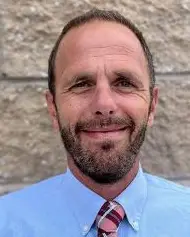
At this month’s meeting, Council referred to Mrs. Clark’s resignation and appointed Richard Collangelo to fill the unexpired term at a salary of $ 10,000. Colangelo is also the borough’s code enforcement officer, was also elected earlier this year as president of the Henry Hudson Regional Board of Education.

Richard Colangelo

In unanimously approving Colangelo for the position, in addition to his current code enforcing obligations which pays $25,000 annually, Council noted he has been certified as a zoning officer since 2022 and is familiar with the work of the office.

At earlier meetings this year, when it was learned Ms. Clark had approved Their Place without need of any public notice or planning board action, questions to her concerning her reasons were referred to the Borough Administrator. Since her decision was made without the need for any public notice, input or meeting, the reasons for her actions do not have to be made public.

With the decision made without any public meeting or official notice or information, it is up to any member of the public who wants to challenge the decision to file an application with the Planning Board, borough attorney Peg Schaefer said last week… However, it is not possible to do so, she added, since the time for filing such an appeal is 45 days after the action is taken. Their Place was approved by the zoning officer last November.

When asked how the public is made aware of any actions or approvals of the borough that are not made public, the attorney opined it is usual that someone passing the area or lives close to something different happening notices and can take action by filing an appeal with the planning board, in spite of the matter never having come before the board in any capacity.

The official web page for Their Place, does not contain any information about the new rental in Monmouth County nor its plans for activity there. It lists two facilities, both in Middlesex County, where it explains the programs and assistance given to both children and adults in these facilities. The web page marks “Ten Years of Empowerment” in a lead in giving information of the firm on its page, but explains 2026 marks 11 years of empowering adults “with disabilities to lead fuller, more independent lives. Over the past 11 years, Their Place has grown from a small initiative to a thriving organization, thanks to the dedication of our community, staff, and supporters.” The website says.

Both borough officials, and members of the Our Lady of Perpetual Help-Saint Agnes parish received notice of an upcoming invitation to an Open House to introduce the facility, though none has been received since.

Appeal

Appeal Appeal Appeal Appeal Appeal Appeal  Appeal Appeal Appeal Appeal Appeal Appeal Appeal Appeal Appeal Appeal Appeal
police police police police police police police police police police police police police police police police Honoring Honoring Honoring Honoring Honoring HonorHonoringing Honoring Honoring Honoring Honoring Honoring Honoring Honoring Honoring eagle  eagle eagle eagle eagle eagle eagle eagle eagle eagle eagle eagle HAPTER 1 LOOMINGS. Call Me Ishmael. Some years ago—never mind how long precisely—having little or no money in my purse, and nothing particular to interest me on shore, I thought I would sail about a little and see the watery part of the world. It is a way I have of driving off the spleen, and regulating the circulation. Whenever I find myself growing grim about the mouth; whenever it is a damp, drizzly November in my soul; whenever I find myself involuntarily pausing before coffin warehouses, and bringing up the rear of every funeral I meet; and especially whenever my hypos get such an upper hand of me, that it requires a strong moral principle to prevent me from deliberately stepping into the street, and methodically knocking people’s hats off—then, I account it high time to get to sea as soon as I can. This is my substitute for pistol and ball. With a philosophical flourish Cato throws himself upon his sword; I quietly take to the ship. There is nothing surprising in this. If they but knew it, almost all men in their degree, some time or other, cherish very nearly the same feelings towards the ocean with me. There now is your insular city of the Manhattoes, belted round by wharves as Indian isles by coral reefs—commerce surrounds it with her surf. Right and left, the streets take you waterward. Its extreme down-town is the Battery, where that noble mole is washed by waves, and cooled by breezes, which a few hours previous were out of sight of land. Look at the crowds of water-gazers there. Circumambulate the city of a dreamy Sabbath afternoon. Go from Corlears Hook to Coenties Slip, and from thence, by Whitehall, northward. What do you see?—Posted like silent sentinels all around the town, stand thousands upon thousands of mortal men fixed in ocean reveries. Some leaning against the spiles; some seated upon the pier-heads; some looking over the bulwarks of ships from China; some high aloft in the rigging, as if striving to get a still better seaward peep. But these are all landsmen; of week days pent up in lath and plaster—tied to counters, nailed to benches, clinched to desks. How then is this? Are the green fields gone? What do they here? CHAPTER 1 LOOMINGS. Call Me Ishmael. Some years ago—never mind how long precisely—having little or no money in my purse, and nothing particular to interest me on shore, I thought I would sail about a little and see the watery part of the world. It is a way I have of driving off the spleen, and regulating the circulation. Whenever I find myself growing grim about the mouth; whenever it is a damp, drizzly November in my soul; whenever I find myself involuntarily pausing before coffin warehouses, and bringing up the rear of every funeral I meet; and especially whenever my hypos get such an upper hand of me, that it requires a strong moral principle to prevent me from deliberately stepping into the street, and methodically knocking people’s hats off—then, I account it high time to get to sea as soon as I can. This is my substitute for pistol and ball. With a philosophical flourish Cato throws himself upon his sword; I quietly take to the ship. There is nothing surprising in this. If they but knew it, almost all men in their degree, some time or other, cherish very nearly the same feelings towards the ocean with me. There now is your insular city of the Manhattoes, belted round by wharves as Indian isles by coral reefs—commerce surrounds it with her surf. Right and left, the streets take you waterward. Its extreme down-town is the Battery, where that noble mole is washed by waves, and cooled by breezes, which a few hours previous were out of sight of land. Look at the crowds of water-gazers there. Circumambulate the city of a dreamy Sabbath afternoon. Go from Corlears Hook to Coenties Slip, and from thence, by Whitehall, northward. What do you see?—Posted like silent sentinels all around the town, stand thousands upon thousands of mortal men fixed in ocean reveries. Some leaning against the spiles; some seated upon the pier-heads; some looking over the bulwarks of ships from China; some high aloft in the rigging, as if striving to get a still better seaward peep. But these are all landsmen; of week days pent up in lath and plaster—tied to counters, nailed to benches, clinched to desks. How then is this? Are the green fields gone? What do they here? CHAPTER 1 LOOMINGS. Call Me Ishmael. Some years ago—never mind how long precisely—having little or no money in my purse, and nothing particular to interest me on shore, I thought I would sail about a little and see the watery part of the world. It is a way I have of driving off the spleen, and regulating the circulation. Whenever I find myself growing grim about the mouth; whenever it is a damp, drizzly November in my soul; whenever I find myself involuntarily pausing before coffin warehouses, and bringing up the rear of every funeral I meet; and especially whenever my hypos get such an upper hand of me, that it requires a strong moral principle to prevent me from deliberately stepping into the street, and methodically knocking people’s hats off—then, I account it high time to get to sea as soon as I can. This is my substitute for pistol and ball. With a philosophical flourish Cato throws himself upon his sword; I quietly take to the ship. There is nothing surprising in this. If they but knew it, almost all men in their degree, some time or other, cherish very nearly the same feelings towards the ocean with me. There now is your insular city of the Manhattoes, belted round by wharves as Indian isles by coral reefs—commerce surrounds it with her surf. Right and left, the streets take you waterward. Its extreme down-town is the Battery, where that noble mole is washed by waves, and cooled by breezes, which a few hours previous were out of sight of land. Look at the crowds of water-gazers there. Circumambulate the city of a dreamy Sabbath afternoon. Go from Corlears Hook to Coenties Slip, and from thence, by Whitehall, northward. What do you see?—Posted like silent sentinels all around the town, stand thousands upon thousands of mortal men fixed in ocean reveries. Some leaning against the spiles; some seated upon the pier-heads; some looking over the bulwarks of ships from China; some high aloft in the rigging, as if striving to get a still better seaward peep. But these are all landsmen; of week days pent up in lath and plaster—tied to counters, nailed to benches, clinched to desks. How then is this? Are the green fields gone? What do they here? Honoring Honoring Honoring Honoring Honoring Breakfast Breakfast Breakfast Breakfast Breakfast Breakfast Breakfast Breakfast Breakfast Car Show Car Show Car Show Car Show Car Show Car Show Car Show Car Show Honoring Honoring Honoring Honoring Honoring HonorHonoringing Honoring Honoring Honoring Honoring Honoring Honoring Honoring Honoring eagle  eagle eagle eagle eagle eagle eagle eagle

Paul and Betty Anderson – Congratulations

0
Anderson
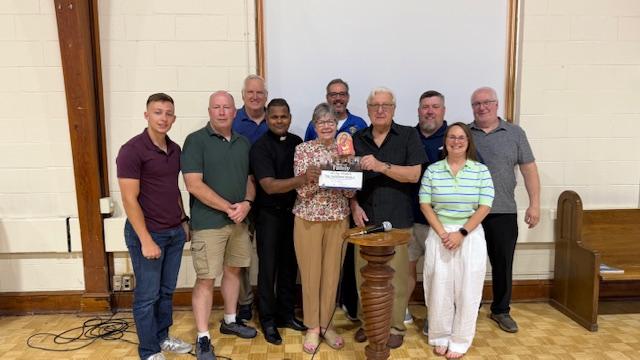
Pictured are Paul and Betty Anderson with several family members, the Rev. Thomas Aiahma and members of the Rev Joseph J. Donnelly Knights of Columbus Council #11660

Paul and Betty Anderson of Atlantic Highlands and their family were honored at Sunday’s Knights of Columbus Family Breakfast at Our Lady of Perpetual Help gym and presented with a certificate and gift as Family of the Month for the Our Lady of Perpetual Help St Agnes Parish.

Michael Burke, Family Director for the Rev. Joseph J. Donnelly Council of the Knights of Columbus, together with Grand Knight Kevin McKenna made the presentations and praised the Andersons for their volunteer contributions and dedication to the community and the parish for many decades.

The Father’s Day Family Breakfast at Our Lady of Perpetual Help gym Sunday promises to be an astounding and memorable hot and cold buffet

Paul, a life time member of the parish, and his wife, a member for more than 60 years, raised their children with the love and guidance that “people of good faith provide,” said Burke. “Both Paul and Betty have lived their lives together through Faith in Action while setting a great example for their children by each volunteering their time and talents to their Parish and surrounding communities,” the director continued.

The couple met through their hair stylist who took on the delightful challenge of matchmaker and “hit the mark with this wonderful couple.”

Paul has volunteered with the finance committee of the parish for many years, as well as the RCIA, now known as OCIA. He has also served as president of the St. Agnes Vincent de Paul Society.

Betty, a retired public school teacher, also served on the board to help create and serve when Mother Teresa Regional School first formed. She took it a step further with the help of her good friend the late Ann Campbell by introducing Algebra courses to the seventh and eighth grade students at the school to help better prepare them for high school. Currently, Betty volunteers teaching immigrant children mathematics at St. Anthony’s parish in Red Bank, giving special attention to youngsters whose parents often struggle with a language barrier in assisting with math. She is also a creative craftswoman especially in knitting and crocheting, and creates and gives baby infants to newborns at hospitals. She is active with the weekly Knitters & Crocheters who meet at St. Agnes Church Hall and volunteer to make hats, blankets and scarves for donation to those in need.

“As Knights of Columbus we have always been dedicated to the development of strong vibrant families,” Burke said at the Family Breakfast. “ In support of this mission and to create an even greater awareness of our many outstanding families the Supreme Council instituted the Family of the Month Program in 1978.” In making their selection to honor an individual family each month, the Family Committee of the Council recognizes those who outwardly exhibit strong ties of love and faith, exemplifying Catholic family values by attending mass each week throughout the year, while making contributions to their parish and surrounding community.

The presentation to the Andersons was the last Knights Breakfast at OLPH until September. For July and August, the Knights will feature a continental breakfast on the second Sunday of both months at St. Agnes Church, Center Avenue, Atlantic Highlands.

anderson

Anderson Anderson Anderson Anderson Anderson Anderson Anderson Anderson Anderson Anderson Anderson Anderson Anderson Anderson Anderson Anderson Anderson Anderson Anderson Anderson Anderson Anderson Anderson Anderson Anderson Anderson Anderson Anderson Anderson Anderson Anderson Anderson Anderson Anderson Anderson Anderson Anderson Anderson Anderson
police police police police police police police police police police police police police police police police Honoring Honoring Honoring Honoring Honoring HonorHonoringing Honoring Honoring Honoring Honoring Honoring Honoring Honoring Honoring eagle  eagle eagle eagle eagle eagle eagle eagle eagle eagle eagle eagle HAPTER 1 LOOMINGS. Call Me Ishmael. Some years ago—never mind how long precisely—having little or no money in my purse, and nothing particular to interest me on shore, I thought I would sail about a little and see the watery part of the world. It is a way I have of driving off the spleen, and regulating the circulation. Whenever I find myself growing grim about the mouth; whenever it is a damp, drizzly November in my soul; whenever I find myself involuntarily pausing before coffin warehouses, and bringing up the rear of every funeral I meet; and especially whenever my hypos get such an upper hand of me, that it requires a strong moral principle to prevent me from deliberately stepping into the street, and methodically knocking people’s hats off—then, I account it high time to get to sea as soon as I can. This is my substitute for pistol and ball. With a philosophical flourish Cato throws himself upon his sword; I quietly take to the ship. There is nothing surprising in this. If they but knew it, almost all men in their degree, some time or other, cherish very nearly the same feelings towards the ocean with me. There now is your insular city of the Manhattoes, belted round by wharves as Indian isles by coral reefs—commerce surrounds it with her surf. Right and left, the streets take you waterward. Its extreme down-town is the Battery, where that noble mole is washed by waves, and cooled by breezes, which a few hours previous were out of sight of land. Look at the crowds of water-gazers there. Circumambulate the city of a dreamy Sabbath afternoon. Go from Corlears Hook to Coenties Slip, and from thence, by Whitehall, northward. What do you see?—Posted like silent sentinels all around the town, stand thousands upon thousands of mortal men fixed in ocean reveries. Some leaning against the spiles; some seated upon the pier-heads; some looking over the bulwarks of ships from China; some high aloft in the rigging, as if striving to get a still better seaward peep. But these are all landsmen; of week days pent up in lath and plaster—tied to counters, nailed to benches, clinched to desks. How then is this? Are the green fields gone? What do they here? CHAPTER 1 LOOMINGS. Call Me Ishmael. Some years ago—never mind how long precisely—having little or no money in my purse, and nothing particular to interest me on shore, I thought I would sail about a little and see the watery part of the world. It is a way I have of driving off the spleen, and regulating the circulation. Whenever I find myself growing grim about the mouth; whenever it is a damp, drizzly November in my soul; whenever I find myself involuntarily pausing before coffin warehouses, and bringing up the rear of every funeral I meet; and especially whenever my hypos get such an upper hand of me, that it requires a strong moral principle to prevent me from deliberately stepping into the street, and methodically knocking people’s hats off—then, I account it high time to get to sea as soon as I can. This is my substitute for pistol and ball. With a philosophical flourish Cato throws himself upon his sword; I quietly take to the ship. There is nothing surprising in this. If they but knew it, almost all men in their degree, some time or other, cherish very nearly the same feelings towards the ocean with me. There now is your insular city of the Manhattoes, belted round by wharves as Indian isles by coral reefs—commerce surrounds it with her surf. Right and left, the streets take you waterward. Its extreme down-town is the Battery, where that noble mole is washed by waves, and cooled by breezes, which a few hours previous were out of sight of land. Look at the crowds of water-gazers there. Circumambulate the city of a dreamy Sabbath afternoon. Go from Corlears Hook to Coenties Slip, and from thence, by Whitehall, northward. What do you see?—Posted like silent sentinels all around the town, stand thousands upon thousands of mortal men fixed in ocean reveries. Some leaning against the spiles; some seated upon the pier-heads; some looking over the bulwarks of ships from China; some high aloft in the rigging, as if striving to get a still better seaward peep. But these are all landsmen; of week days pent up in lath and plaster—tied to counters, nailed to benches, clinched to desks. How then is this? Are the green fields gone? What do they here? CHAPTER 1 LOOMINGS. Call Me Ishmael. Some years ago—never mind how long precisely—having little or no money in my purse, and nothing particular to interest me on shore, I thought I would sail about a little and see the watery part of the world. It is a way I have of driving off the spleen, and regulating the circulation. Whenever I find myself growing grim about the mouth; whenever it is a damp, drizzly November in my soul; whenever I find myself involuntarily pausing before coffin warehouses, and bringing up the rear of every funeral I meet; and especially whenever my hypos get such an upper hand of me, that it requires a strong moral principle to prevent me from deliberately stepping into the street, and methodically knocking people’s hats off—then, I account it high time to get to sea as soon as I can. This is my substitute for pistol and ball. With a philosophical flourish Cato throws himself upon his sword; I quietly take to the ship. There is nothing surprising in this. If they but knew it, almost all men in their degree, some time or other, cherish very nearly the same feelings towards the ocean with me. There now is your insular city of the Manhattoes, belted round by wharves as Indian isles by coral reefs—commerce surrounds it with her surf. Right and left, the streets take you waterward. Its extreme down-town is the Battery, where that noble mole is washed by waves, and cooled by breezes, which a few hours previous were out of sight of land. Look at the crowds of water-gazers there. Circumambulate the city of a dreamy Sabbath afternoon. Go from Corlears Hook to Coenties Slip, and from thence, by Whitehall, northward. What do you see?—Posted like silent sentinels all around the town, stand thousands upon thousands of mortal men fixed in ocean reveries. Some leaning against the spiles; some seated upon the pier-heads; some looking over the bulwarks of ships from China; some high aloft in the rigging, as if striving to get a still better seaward peep. But these are all landsmen; of week days pent up in lath and plaster—tied to counters, nailed to benches, clinched to desks. How then is this? Are the green fields gone? What do they here? Honoring Honoring Honoring Honoring Honoring Breakfast Breakfast Breakfast Breakfast Breakfast Breakfast Breakfast Breakfast Breakfast Car Show Car Show Car Show Car Show Car Show Car Show Car Show Car Show Honoring Honoring Honoring Honoring Honoring HonorHonoringing Honoring Honoring Honoring Honoring Honoring Honoring Honoring Honoring eagle  eagle eagle eagle eagle eagle eagle eagle eagle eagle eagle eagle HAPTER 1 LOOMINGS. Call Me Ishmael. Some years ago—never mind how long precisely—having little or no money in my purse, and nothing particular to interest me on shore, I thought I would sail about a little and see the watery part of the world. It is a way I have of driving off the spleen, and regulating the circulation. Whenever I find myself growing grim about the mouth; whenever it is a damp, drizzly November in my soul; whenever I find myself involuntarily pausing before coffin warehouses, and bringing up the rear of every funeral I meet; and especially whenever my hypos get such an upper hand of me, that it requires a strong moral principle to prevent me from deliberately stepping into the street, and methodically knocking people’s hats off—then, I account it high time to get to sea as soon as I can. This is my substitute for pistol and ball. With a philosophical flourish Cato throws himself upon his sword; I quietly take to the ship. There is nothing surprising in this. If they but knew it, almost all men in their degree, some time or other, cherish very nearly the same feelings towards the ocean with me. There now is your insular city of the Manhattoes, belted round by wharves as Indian isles by coral reefs—commerce surrounds it with her surf. Right and left, the streets take you waterward. Its extreme down-town is the Battery, where that noble mole is washed by waves, and cooled by breezes, which a few hours previous were out of sight of land. Look at the crowds of water-gazers there. Circumambulate the city of a dreamy Sabbath afternoon. Go from Corlears Hook to Coenties Slip, and from thence, by Whitehall, northward. What do you see?—Posted like silent sentinels all around the town, stand thousands upon thousands of mortal men fixed in ocean reveries. Some leaning against the spiles; some seated upon the pier-heads; some looking over the bulwarks of ships from China; some high aloft in the rigging, as if striving to get a still better seaward peep. But these are all landsmen; of week days pent up in lath and plaster—tied to counters, nailed to benches, clinched to desks. How then is this? Are the green fields gone? What do they here? CHAPTER 1 LOOMINGS. Call Me Ishmael. Some years ago—never mind how long precisely—having little or no money in my purse, and nothing particular to interest me on shore, I thought I would sail about a little and see the watery part of the world. It is a way I have of driving off the spleen, and regulating the circulation. Whenever I find myself growing grim about the mouth; whenever it is a damp, drizzly November in my soul; whenever I find myself involuntarily pausing before coffin warehouses, and bringing up the rear of every funeral I meet; and especially whenever my hypos get such an upper hand of me, that it requires a strong moral principle to prevent me from deliberately stepping into the street, and methodically knocking people’s hats off—then, I account it high time to get to sea as soon as I can. This is my substitute for pistol and ball. With a philosophical flourish Cato throws himself upon his sword; I quietly take to the ship. There is nothing surprising in this. If they but knew it, almost all men in their degree, some time or other, cherish very nearly the same feelings towards the ocean with me. There now is your insular city of the Manhattoes, belted round by wharves as Indian isles by coral reefs—commerce surrounds it with her surf. Right and left, the streets take you waterward. Its extreme down-town is the Battery, where that noble mole is washed by waves, and cooled by breezes, which a few hours previous were out of sight of land. Look at the crowds of water-gazers there. Circumambulate the city of a dreamy Sabbath afternoon. Go from Corlears Hook to Coenties Slip, and from thence, by Whitehall, northward. What do you see?—Posted like silent sentinels all around the town, stand thousands upon thousands of mortal men fixed in ocean reveries. Some leaning against the spiles; some seated upon the pier-heads; some looking over the bulwarks of ships from China; some high aloft in the rigging, as if striving to get a still better seaward peep. But these are all landsmen; of week days pent up in lath and plaster—tied to counters, nailed to benches, clinched to desks. How then is this? Are the green fields gone? What do they here? CHAPTER 1 LOOMINGS. Call Me Ishmael. Some years ago—never mind how long precisely—having little or no money in my purse, and nothing particular to interest me on shore, I thought I would sail about a little and see the watery part of the world. It is a way I have of driving off the spleen, and regulating the circulation. Whenever I find myself growing grim about the mouth; whenever it is a damp, drizzly November in my soul; whenever I find myself involuntarily pausing before coffin warehouses, and bringing up the rear of every funeral I meet; and especially whenever my hypos get such an upper hand of me, that it requires a strong moral principle to prevent me from deliberately stepping into the street, and methodically knocking people’s hats off—then, I account it high time to get to sea as soon as I can. This is my substitute for pistol and ball. With a philosophical flourish Cato throws himself upon his sword; I quietly take to the ship. There is nothing surprising in this. If they but knew it, almost all men in their degree, some time or other, cherish very nearly the same feelings towards the ocean with me. There now is your insular city of the Manhattoes, belted round by wharves as Indian isles by coral reefs—commerce surrounds it with her surf. Right and left, the streets take you waterward. Its extreme down-town is the Battery, where that noble mole is washed by waves, and cooled by breezes, which a few hours previous were out of sight of land. Look at the crowds of water-gazers there. Circumambulate the city of a dreamy Sabbath afternoon. Go from Corlears Hook to Coenties Slip, and from thence, by Whitehall, northward. What do you see?—Posted like silent sentinels all around the town, stand thousands upon thousands of mortal men fixed in ocean reveries. Some leaning against the spiles; some seated upon the pier-heads; some looking over the bulwarks of ships from China; some high aloft in the rigging, as if striving to get a still better seaward peep. But these are all landsmen; of week days pent up in lath and plaster—tied to counters, nailed to benches, clinched to desks. How then is this? Are the green fields gone? What do they here? Honoring Honoring Honoring Honoring Honoring
police police police police police police police police police police police police police police police police Honoring Honoring Honoring Honoring Honoring HonorHonoringing Honoring Honoring Honoring Honoring Honoring Honoring Honoring Honoring eagle  eagle eagle eagle eagle eagle eagle eagle eagle eagle eagle eagle HAPTER 1 LOOMINGS. Call Me Ishmael. Some years ago—never mind how long precisely—having little or no money in my purse, and nothing particular to interest me on shore, I thought I would sail about a little and see the watery part of the world. It is a way I have of driving off the spleen, and regulating the circulation. Whenever I find myself growing grim about the mouth; whenever it is a damp, drizzly November in my soul; whenever I find myself involuntarily pausing before coffin warehouses, and bringing up the rear of every funeral I meet; and especially whenever my hypos get such an upper hand of me, that it requires a strong moral principle to prevent me from deliberately stepping into the street, and methodically knocking people’s hats off—then, I account it high time to get to sea as soon as I can. This is my substitute for pistol and ball. With a philosophical flourish Cato throws himself upon his sword; I quietly take to the ship. There is nothing surprising in this. If they but knew it, almost all men in their degree, some time or other, cherish very nearly the same feelings towards the ocean with me. There now is your insular city of the Manhattoes, belted round by wharves as Indian isles by coral reefs—commerce surrounds it with her surf. Right and left, the streets take you waterward. Its extreme down-town is the Battery, where that noble mole is washed by waves, and cooled by breezes, which a few hours previous were out of sight of land. Look at the crowds of water-gazers there. Circumambulate the city of a dreamy Sabbath afternoon. Go from Corlears Hook to Coenties Slip, and from thence, by Whitehall, northward. What do you see?—Posted like silent sentinels all around the town, stand thousands upon thousands of mortal men fixed in ocean reveries. Some leaning against the spiles; some seated upon the pier-heads; some looking over the bulwarks of ships from China; some high aloft in the rigging, as if striving to get a still better seaward peep. But these are all landsmen; of week days pent up in lath and plaster—tied to counters, nailed to benches, clinched to desks. How then is this? Are the green fields gone? What do they here? CHAPTER 1 LOOMINGS. Call Me Ishmael. Some years ago—never mind how long precisely—having little or no money in my purse, and nothing particular to interest me on shore, I thought I would sail about a little and see the watery part of the world. It is a way I have of driving off the spleen, and regulating the circulation. Whenever I find myself growing grim about the mouth; whenever it is a damp, drizzly November in my soul; whenever I find myself involuntarily pausing before coffin warehouses, and bringing up the rear of every funeral I meet; and especially whenever my hypos get such an upper hand of me, that it requires a strong moral principle to prevent me from deliberately stepping into the street, and methodically knocking people’s hats off—then, I account it high time to get to sea as soon as I can. This is my substitute for pistol and ball. With a philosophical flourish Cato throws himself upon his sword; I quietly take to the ship. There is nothing surprising in this. If they but knew it, almost all men in their degree, some time or other, cherish very nearly the same feelings towards the ocean with me. There now is your insular city of the Manhattoes, belted round by wharves as Indian isles by coral reefs—commerce surrounds it with her surf. Right and left, the streets take you waterward. Its extreme down-town is the Battery, where that noble mole is washed by waves, and cooled by breezes, which a few hours previous were out of sight of land. Look at the crowds of water-gazers there. Circumambulate the city of a dreamy Sabbath afternoon. Go from Corlears Hook to Coenties Slip, and from thence, by Whitehall, northward. What do you see?—Posted like silent sentinels all around the town, stand thousands upon thousands of mortal men fixed in ocean reveries. Some leaning against the spiles; some seated upon the pier-heads; some looking over the bulwarks of ships from China; some high aloft in the rigging, as if striving to get a still better seaward peep. But these are all landsmen; of week days pent up in lath and plaster—tied to counters, nailed to benches, clinched to desks. How then is this? Are the green fields gone? What do they here? CHAPTER 1 LOOMINGS. Call Me Ishmael. Some years ago—never mind how long precisely—having little or no money in my purse, and nothing particular to interest me on shore, I thought I would sail about a little and see the watery part of the world. It is a way I have of driving off the spleen, and regulating the circulation. Whenever I find myself growing grim about the mouth; whenever it is a damp, drizzly November in my soul; whenever I find myself involuntarily pausing before coffin warehouses, and bringing up the rear of every funeral I meet; and especially whenever my hypos get such an upper hand of me, that it requires a strong moral principle to prevent me from deliberately stepping into the street, and methodically knocking people’s hats off—then, I account it high time to get to sea as soon as I can. This is my substitute for pistol and ball. With a philosophical flourish Cato throws himself upon his sword; I quietly take to the ship. There is nothing surprising in this. If they but knew it, almost all men in their degree, some time or other, cherish very nearly the same feelings towards the ocean with me. There now is your insular city of the Manhattoes, belted round by wharves as Indian isles by coral reefs—commerce surrounds it with her surf. Right and left, the streets take you waterward. Its extreme down-town is the Battery, where that noble mole is washed by waves, and cooled by breezes, which a few hours previous were out of sight of land. Look at the crowds of water-gazers there. Circumambulate the city of a dreamy Sabbath afternoon. Go from Corlears Hook to Coenties Slip, and from thence, by Whitehall, northward. What do you see?—Posted like silent sentinels all around the town, stand thousands upon thousands of mortal men fixed in ocean reveries. Some leaning against the spiles; some seated upon the pier-heads; some looking over the bulwarks of ships from China; some high aloft in the rigging, as if striving to get a still better seaward peep. But these are all landsmen; of week days pent up in lath and plaster—tied to counters, nailed to benches, clinched to desks. How then is this? Are the green fields gone? What do they here? Honoring Honoring Honoring Honoring Honoring Breakfast Breakfast Breakfast Breakfast Breakfast Breakfast Breakfast Breakfast Breakfast Car Show Car Show Car Show Car Show Car Show Car Show Car Show Car Show Honoring Honoring Honoring Honoring Honoring HonorHonoringing Honoring Honoring Honoring Honoring Honoring Honoring Honoring Honoring eagle  eagle eagle eagle eagle eagle eagle eagle eagle eagle eagle eagle HAPTER 1 LOOMINGS. Call Me Ishmael. Some years ago—never mind how long precisely—having little or no money in my purse, and nothing particular to interest me on shore, I thought I would sail about a little and see the watery part of the world. It is a way I have of driving off the spleen, and regulating the circulation. Whenever I find myself growing grim about the mouth; whenever it is a damp, drizzly November in my soul; whenever I find myself involuntarily pausing before coffin warehouses, and bringing up the rear of every funeral I meet; and especially whenever my hypos get such an upper hand of me, that it requires a strong moral principle to prevent me from deliberately stepping into the street, and methodically knocking people’s hats off—then, I account it high time to get to sea as soon as I can. This is my substitute for pistol and ball. With a philosophical flourish Cato throws himself upon his sword; I quietly take to the ship. There is nothing surprising in this. If they but knew it, almost all men in their degree, some time or other, cherish very nearly the same feelings towards the ocean with me. There now is your insular city of the Manhattoes, belted round by wharves as Indian isles by coral reefs—commerce surrounds it with her surf. Right and left, the streets take you waterward. Its extreme down-town is the Battery, where that noble mole is washed by waves, and cooled by breezes, which a few hours previous were out of sight of land. Look at the crowds of water-gazers there. Circumambulate the city of a dreamy Sabbath afternoon. Go from Corlears Hook to Coenties Slip, and from thence, by Whitehall, northward. What do you see?—Posted like silent sentinels all around the town, stand thousands upon thousands of mortal men fixed in ocean reveries. Some leaning against the spiles; some seated upon the pier-heads; some looking over the bulwarks of ships from China; some high aloft in the rigging, as if striving to get a still better seaward peep. But these are all landsmen; of week days pent up in lath and plaster—tied to counters, nailed to benches, clinched to desks. How then is this? Are the green fields gone? What do they here? CHAPTER 1 LOOMINGS. Call Me Ishmael. Some years ago—never mind how long precisely—having little or no money in my purse, and nothing particular to interest me on shore, I thought I would sail about a little and see the watery part of the world. It is a way I have of driving off the spleen, and regulating the circulation. Whenever I find myself growing grim about the mouth; whenever it is a damp, drizzly November in my soul; whenever I find myself involuntarily pausing before coffin warehouses, and bringing up the rear of every funeral I meet; and especially whenever my hypos get such an upper hand of me, that it requires a strong moral principle to prevent me from deliberately stepping into the street, and methodically knocking people’s hats off—then, I account it high time to get to sea as soon as I can. This is my substitute for pistol and ball. With a philosophical flourish Cato throws himself upon his sword; I quietly take to the ship. There is nothing surprising in this. If they but knew it, almost all men in their degree, some time or other, cherish very nearly the same feelings towards the ocean with me. There now is your insular city of the Manhattoes, belted round by wharves as Indian isles by coral reefs—commerce surrounds it with her surf. Right and left, the streets take you waterward. Its extreme down-town is the Battery, where that noble mole is washed by waves, and cooled by breezes, which a few hours previous were out of sight of land. Look at the crowds of water-gazers there. Circumambulate the city of a dreamy Sabbath afternoon. Go from Corlears Hook to Coenties Slip, and from thence, by Whitehall, northward. What do you see?—Posted like silent sentinels all around the town, stand thousands upon thousands of mortal men fixed in ocean reveries. Some leaning against the spiles; some seated upon the pier-heads; some looking over the bulwarks of ships from China; some high aloft in the rigging, as if striving to get a still better seaward peep. But these are all landsmen; of week days pent up in lath and plaster—tied to counters, nailed to benches, clinched to desks. How then is this? Are the green fields gone? What do they here? CHAPTER 1 LOOMINGS. Call Me Ishmael. Some years ago—never mind how long precisely—having little or no money in my purse, and nothing particular to interest me on shore, I thought I would sail about a little and see the watery part of the world. It is a way I have of driving off the spleen, and regulating the circulation. Whenever I find myself growing grim about the mouth; whenever it is a damp, drizzly November in my soul; whenever I find myself involuntarily pausing before coffin warehouses, and bringing up the rear of every funeral I meet; and especially whenever my hypos get such an upper hand of me, that it requires a strong moral principle to prevent me from deliberately stepping into the street, and methodically knocking people’s hats off—then, I account it high time to get to sea as soon as I can. This is my substitute for pistol and ball. With a philosophical flourish Cato throws himself upon his sword; I quietly take to the ship. There is nothing surprising in this. If they but knew it, almost all men in their degree, some time or other, cherish very nearly the same feelings towards the ocean with me. There now is your insular city of the Manhattoes, belted round by wharves as Indian isles by coral reefs—commerce surrounds it with her surf. Right and left, the streets take you waterward. Its extreme down-town is the Battery, where that noble mole is washed by waves, and cooled by breezes, which a few hours previous were out of sight of land. Look at the crowds of water-gazers there. Circumambulate the city of a dreamy Sabbath afternoon. Go from Corlears Hook to Coenties Slip, and from thence, by Whitehall, northward. What do you see?—Posted like silent sentinels all around the town, stand thousands upon thousands of mortal men fixed in ocean reveries. Some leaning against the spiles; some seated upon the pier-heads; some looking over the bulwarks of ships from China; some high aloft in the rigging, as if striving to get a still better seaward peep. But these are all landsmen; of week days pent up in lath and plaster—tied to counters, nailed to benches, clinched to desks. How then is this? Are the green fields gone? What do they here? Honoring Honoring Honoring Honoring Honoring Anderson Anderson Anderson Anderson Anderson Anderson Anderson Anderson Anderson Anderson Anderson Anderson Anderson

Paul Cefalo A Force Silenced

0
cefalo

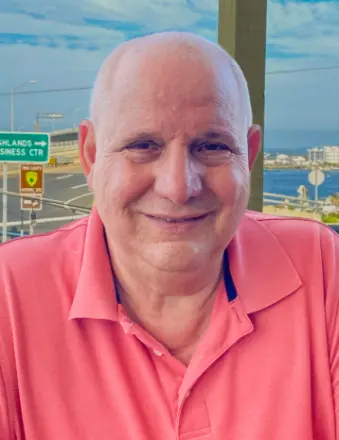
A funeral mass will be held Friday, June 20 at 10 a.m. at Our Lady of Perpetual Help Church on Route 36 for Paul Henry Cefalo of Highlands, who died Monday, June 16.

Born in Staten Island, the son of Harry and Camille Cefalo. he attended New Dorp High School, where he served as defensive captain of the football team.

He was a member of IBEW Local 3 for more than 50 years, and was also a real estate agent. For several years, he was also a bartender at the Shore Casino in Atlantic Highlands.

Paul was deeply involved in his community, volunteering with the Highlands Business Partnership for more than 30 years, serving as a member of the Highlands Lions Club and at one time on the Board of Education. He was a longtime supporter of Tunnel to Towers and St. Jude Children’s Research Hospital.

Paul is survived by his wife of 40 years, Lynne, four children and their spouses, Christopher (Danielle) Cefalo, Aubrey (Timothy),Garrett, Harrison (Danielle) Cefalo, and Daria (Jake) Cefalo; his sisters, Carla Cefalo and Regina Cefalo; and his brother, Matthew Cefalo and grandchildren Maverick, Camille, Desmond, Stella, Quinn and Hudson.

In sharing the news of his death with members of the Lions Club, Highlands Lions Chair Karen Gretzner noted “It is with great sadness that I share the passing of our dear friend and fellow Lion, Paul Cefalo. Paul has been a Lion for the past eight years, and throughout that time he remained an active, reliable, and positive presence in our club, committed to our mission and always showing up for others. He will be greatly missed.

Prior to Friday’s Mass, there will be visitation will Thursday, June 18, from 2:00 to4:00 p.m. and 7:00–9:00 p.m. at Evergreen Memorial Funeral Home in Middletown,

The family welcomes floral expressions of sympathy and kindly suggests arrangements be coordinated through In the Garden Florist, 9 Waterwitch Avenue, Highlands, or by calling the florist at (732) 291-0311.  Memorial donations may also be made in Paul’s memory to St. Jude Children’s Research Hospital or the Tunnel to Towers Foundation.

cefalo

Cefalo Cefalo Cefalo Cefalo Cefalo Cefalo Cefalo Cefalo Cefalo  Cefalo Cefalo Cefalo Cefalo Cefalo Cefalo  Cefalo Cefalo
police police police police police police police police police police police police police police police police Honoring Honoring Honoring Honoring Honoring HonorHonoringing Honoring Honoring Honoring Honoring Honoring Honoring Honoring Honoring eagle  eagle eagle eagle eagle eagle eagle eagle eagle eagle eagle eagle HAPTER 1 LOOMINGS. Call Me Ishmael. Some years ago—never mind how long precisely—having little or no money in my purse, and nothing particular to interest me on shore, I thought I would sail about a little and see the watery part of the world. It is a way I have of driving off the spleen, and regulating the circulation. Whenever I find myself growing grim about the mouth; whenever it is a damp, drizzly November in my soul; whenever I find myself involuntarily pausing before coffin warehouses, and bringing up the rear of every funeral I meet; and especially whenever my hypos get such an upper hand of me, that it requires a strong moral principle to prevent me from deliberately stepping into the street, and methodically knocking people’s hats off—then, I account it high time to get to sea as soon as I can. This is my substitute for pistol and ball. With a philosophical flourish Cato throws himself upon his sword; I quietly take to the ship. There is nothing surprising in this. If they but knew it, almost all men in their degree, some time or other, cherish very nearly the same feelings towards the ocean with me. There now is your insular city of the Manhattoes, belted round by wharves as Indian isles by coral reefs—commerce surrounds it with her surf. Right and left, the streets take you waterward. Its extreme down-town is the Battery, where that noble mole is washed by waves, and cooled by breezes, which a few hours previous were out of sight of land. Look at the crowds of water-gazers there. Circumambulate the city of a dreamy Sabbath afternoon. Go from Corlears Hook to Coenties Slip, and from thence, by Whitehall, northward. What do you see?—Posted like silent sentinels all around the town, stand thousands upon thousands of mortal men fixed in ocean reveries. Some leaning against the spiles; some seated upon the pier-heads; some looking over the bulwarks of ships from China; some high aloft in the rigging, as if striving to get a still better seaward peep. But these are all landsmen; of week days pent up in lath and plaster—tied to counters, nailed to benches, clinched to desks. How then is this? Are the green fields gone? What do they here? CHAPTER 1 LOOMINGS. Call Me Ishmael. Some years ago—never mind how long precisely—having little or no money in my purse, and nothing particular to interest me on shore, I thought I would sail about a little and see the watery part of the world. It is a way I have of driving off the spleen, and regulating the circulation. Whenever I find myself growing grim about the mouth; whenever it is a damp, drizzly November in my soul; whenever I find myself involuntarily pausing before coffin warehouses, and bringing up the rear of every funeral I meet; and especially whenever my hypos get such an upper hand of me, that it requires a strong moral principle to prevent me from deliberately stepping into the street, and methodically knocking people’s hats off—then, I account it high time to get to sea as soon as I can. This is my substitute for pistol and ball. With a philosophical flourish Cato throws himself upon his sword; I quietly take to the ship. There is nothing surprising in this. If they but knew it, almost all men in their degree, some time or other, cherish very nearly the same feelings towards the ocean with me. There now is your insular city of the Manhattoes, belted round by wharves as Indian isles by coral reefs—commerce surrounds it with her surf. Right and left, the streets take you waterward. Its extreme down-town is the Battery, where that noble mole is washed by waves, and cooled by breezes, which a few hours previous were out of sight of land. Look at the crowds of water-gazers there. Circumambulate the city of a dreamy Sabbath afternoon. Go from Corlears Hook to Coenties Slip, and from thence, by Whitehall, northward. What do you see?—Posted like silent sentinels all around the town, stand thousands upon thousands of mortal men fixed in ocean reveries. Some leaning against the spiles; some seated upon the pier-heads; some looking over the bulwarks of ships from China; some high aloft in the rigging, as if striving to get a still better seaward peep. But these are all landsmen; of week days pent up in lath and plaster—tied to counters, nailed to benches, clinched to desks. How then is this? Are the green fields gone? What do they here? CHAPTER 1 LOOMINGS. Call Me Ishmael. Some years ago—never mind how long precisely—having little or no money in my purse, and nothing particular to interest me on shore, I thought I would sail about a little and see the watery part of the world. It is a way I have of driving off the spleen, and regulating the circulation. Whenever I find myself growing grim about the mouth; whenever it is a damp, drizzly November in my soul; whenever I find myself involuntarily pausing before coffin warehouses, and bringing up the rear of every funeral I meet; and especially whenever my hypos get such an upper hand of me, that it requires a strong moral principle to prevent me from deliberately stepping into the street, and methodically knocking people’s hats off—then, I account it high time to get to sea as soon as I can. This is my substitute for pistol and ball. With a philosophical flourish Cato throws himself upon his sword; I quietly take to the ship. There is nothing surprising in this. If they but knew it, almost all men in their degree, some time or other, cherish very nearly the same feelings towards the ocean with me. There now is your insular city of the Manhattoes, belted round by wharves as Indian isles by coral reefs—commerce surrounds it with her surf. Right and left, the streets take you waterward. Its extreme down-town is the Battery, where that noble mole is washed by waves, and cooled by breezes, which a few hours previous were out of sight of land. Look at the crowds of water-gazers there. Circumambulate the city of a dreamy Sabbath afternoon. Go from Corlears Hook to Coenties Slip, and from thence, by Whitehall, northward. What do you see?—Posted like silent sentinels all around the town, stand thousands upon thousands of mortal men fixed in ocean reveries. Some leaning against the spiles; some seated upon the pier-heads; some looking over the bulwarks of ships from China; some high aloft in the rigging, as if striving to get a still better seaward peep. But these are all landsmen; of week days pent up in lath and plaster—tied to counters, nailed to benches, clinched to desks. How then is this? Are the green fields gone? What do they here? Honoring Honoring Honoring Honoring Honoring Breakfast Breakfast Breakfast Breakfast Breakfast Breakfast Breakfast Breakfast Breakfast Car Show Car Show Car Show Car Show Car Show Car Show Car Show Car Show Honoring Honoring Honoring Honoring Honoring HonorHonoringing Honoring Honoring Honoring Honoring Honoring Honoring Honoring Honoring eagle  eagle eagle eagle eagle eagle eagle eagle eagle eagle eagle eagle HAPTER 1 LOOMINGS. Call Me Ishmael. Some years ago—never mind how long precisely—having little or no money in my purse, and nothing particular to interest me on shore, I thought I would sail about a little and see the watery part of the world. It is a way I have of driving off the spleen, and regulating the circulation. Whenever I find myself growing grim about the mouth; whenever it is a damp, drizzly November in my soul; whenever I find myself involuntarily pausing before coffin warehouses, and bringing up the rear of every funeral I meet; and especially whenever my hypos get such an upper hand of me, that it requires a strong moral principle to prevent me from deliberately stepping into the street, and methodically knocking people’s hats off—then, I account it high time to get to sea as soon as I can. This is my substitute for pistol and ball. With a philosophical flourish Cato throws himself upon his sword; I quietly take to the ship. There is nothing surprising in this. If they but knew it, almost all men in their degree, some time or other, cherish very nearly the same feelings towards the ocean with me. There now is your insular city of the Manhattoes, belted round by wharves as Indian isles by coral reefs—commerce surrounds it with her surf. Right and left, the streets take you waterward. Its extreme down-town is the Battery, where that noble mole is washed by waves, and cooled by breezes, which a few hours previous were out of sight of land. Look at the crowds of water-gazers there. Circumambulate the city of a dreamy Sabbath afternoon. Go from Corlears Hook to Coenties Slip, and from thence, by Whitehall, northward. What do you see?—Posted like silent sentinels all around the town, stand thousands upon thousands of mortal men fixed in ocean reveries. Some leaning against the spiles; some seated upon the pier-heads; some looking over the bulwarks of ships from China; some high aloft in the rigging, as if striving to get a still better seaward peep. But these are all landsmen; of week days pent up in lath and plaster—tied to counters, nailed to benches, clinched to desks. How then is this? Are the green fields gone? What do they here? CHAPTER 1 LOOMINGS. Call Me Ishmael. Some years ago—never mind how long precisely—having little or no money in my purse, and nothing particular to interest me on shore, I thought I would sail about a little and see the watery part of the world. It is a way I have of driving off the spleen, and regulating the circulation. Whenever I find myself growing grim about the mouth; whenever it is a damp, drizzly November in my soul; whenever I find myself involuntarily pausing before coffin warehouses, and bringing up the rear of every funeral I meet; and especially whenever my hypos get such an upper hand of me, that it requires a strong moral principle to prevent me from deliberately stepping into the street, and methodically knocking people’s hats off—then, I account it high time to get to sea as soon as I can. This is my substitute for pistol and ball. With a philosophical flourish Cato throws himself upon his sword; I quietly take to the ship. There is nothing surprising in this. If they but knew it, almost all men in their degree, some time or other, cherish very nearly the same feelings towards the ocean with me. There now is your insular city of the Manhattoes, belted round by wharves as Indian isles by coral reefs—commerce surrounds it with her surf. Right and left, the streets take you waterward. Its extreme down-town is the Battery, where that noble mole is washed by waves, and cooled by breezes, which a few hours previous were out of sight of land. Look at the crowds of water-gazers there. Circumambulate the city of a dreamy Sabbath afternoon. Go from Corlears Hook to Coenties Slip, and from thence, by Whitehall, northward. What do you see?—Posted like silent sentinels all around the town, stand thousands upon thousands of mortal men fixed in ocean reveries. Some leaning against the spiles; some seated upon the pier-heads; some looking over the bulwarks of ships from China; some high aloft in the rigging, as if striving to get a still better seaward peep. But these are all landsmen; of week days pent up in lath and plaster—tied to counters, nailed to benches, clinched to desks. How then is this? Are the green fields gone? What do they here? CHAPTER 1 LOOMINGS. Call Me Ishmael. Some years ago—never mind how long precisely—having little or no money in my purse, and nothing particular to interest me on shore, I thought I would sail about a little and see the watery part of the world. It is a way I have of driving off the spleen, and regulating the circulation. Whenever I find myself growing grim about the mouth; whenever it is a damp, drizzly November in my soul; whenever I find myself involuntarily pausing before coffin warehouses, and bringing up the rear of every funeral I meet; and especially whenever my hypos get such an upper hand of me, that it requires a strong moral principle to prevent me from deliberately stepping into the street, and methodically knocking people’s hats off—then, I account it high time to get to sea as soon as I can. This is my substitute for pistol and ball. With a philosophical flourish Cato throws himself upon his sword; I quietly take to the ship. There is nothing surprising in this. If they but knew it, almost all men in their degree, some time or other, cherish very nearly the same feelings towards the ocean with me. There now is your insular city of the Manhattoes, belted round by wharves as Indian isles by coral reefs—commerce surrounds it with her surf. Right and left, the streets take you waterward. Its extreme down-town is the Battery, where that noble mole is washed by waves, and cooled by breezes, which a few hours previous were out of sight of land. Look at the crowds of water-gazers there. Circumambulate the city of a dreamy Sabbath afternoon. Go from Corlears Hook to Coenties Slip, and from thence, by Whitehall, northward. What do you see?—Posted like silent sentinels all around the town, stand thousands upon thousands of mortal men fixed in ocean reveries. Some leaning against the spiles; some seated upon the pier-heads; some looking over the bulwarks of ships from China; some high aloft in the rigging, as if striving to get a still better seaward peep. But these are all landsmen; of week days pent up in lath and plaster—tied to counters, nailed to benches, clinched to desks. How then is this? Are the green fields gone? What do they here? Honoring Honoring Honoring Honoring Honoring


15th Annual Taste of Highlands

0
Taste

The 15th Annual Taste of Highlands is set on Saturday, June 27, from noon to 5:00 PM, rain or shine.

Sponsored by the Highlands Business Partnership , the event is an opportunity for guests to sample food and cocktails from 20 participating establishments while exploring the town’s vibrant restaurant scene and waterfront charm.

Tickets are $50 and include a map of participating locations, food and cocktail samplings, and complimentary parking. Participants must be 21 years of age or older and present a valid photo ID.

“Events like Taste of Highlands help introduce visitors to the unique character, cuisine, and waterfront charm of our town,” said Jay Cosgrove, President of the Highlands Business Partnership. “We’re proud to showcase our local restaurants and businesses while encouraging people to spend the day exploring Highlands..”

The self-guided tour features 20 participating businesses throughout the borough, offering attendees a variety of food and beverage options throughout the afternoon… Participating locations include Bahrs Landing, Chilangos Authentic Mexican, Chubby Pickle, Fresh, Moby’s, Off the Hook, Proving Ground, Seafarer, and many more., all offering a variety of tastes, menus, and ethnic sources.

Check-are at Huddy Park, the corner of Bay and Waterwitch Avenues, from 11:00 AM to 12:30 PM, where participants will receive their official event map. Guests should present their map at each stop to receive a stamp. Those who collect stamps from all 20 locations will be entered into a drawing for a special prize by turning in their completed map at their final stop.

The Highlands Business Partnership is a nonprofit commercial alliance dedicated to fostering economic growth, supporting local businesses, reinvesting in community initiatives, and promoting Highlands as a premier destination for dining, recreation, and tourism.

Sponsors of HBP programs include Monmouth County Tourism, Montecalvo/Bayshore Family of Companies, Bahrs Landing, Farmacie, Dovetail Vintage Rentals, Gateway Marina, Hufnagel Tree Service, In the Garden, Off the Hook, Proving Ground, Seafarer, Sandbox at Seastreak, The Honorable Plant, Valley Bank, and WRAT 95.9.

For more information about Taste of Highlands, contact the Highlands Business Partnership at 732-291-4713 or hbpadmin@highlandsnj.com.


Car Show Car Show Car Show Car Show Car Show Car Show Car Show Car Show
Honoring Honoring Honoring Honoring Honoring HonorHonoringing Honoring Honoring Honoring Honoring Honoring Honoring Honoring Honoring 
eagle  eagle eagle eagle eagle eagle eagle eagle eagle eagle eagle eagle HAPTER 1 LOOMINGS. Call Me Ishmael. Some years ago—never mind how long precisely—having little or no money in my purse, and nothing particular to interest me on shore, I thought I would sail about a little and see the watery part of the world. It is a way I have of driving off the spleen, and regulating the circulation. Whenever I find myself growing grim about the mouth; whenever it is a damp, drizzly November in my soul; whenever I find myself involuntarily pausing before coffin warehouses, and bringing up the rear of every funeral I meet; and especially whenever my hypos get such an upper hand of me, that it requires a strong moral principle to prevent me from deliberately stepping into the street, and methodically knocking people’s hats off—then, I account it high time to get to sea as soon as I can. This is my substitute for pistol and ball. With a philosophical flourish Cato throws himself upon his sword; I quietly take to the ship. There is nothing surprising in this. If they but knew it, almost all men in their degree, some time or other, cherish very nearly the same feelings towards the ocean with me. There now is your insular city of the Manhattoes, belted round by wharves as Indian isles by coral reefs—commerce surrounds it with her surf. Right and left, the streets take you waterward. Its extreme down-town is the Battery, where that noble mole is washed by waves, and cooled by breezes, which a few hours previous were out of sight of land. Look at the crowds of water-gazers there. Circumambulate the city of a dreamy Sabbath afternoon. Go from Corlears Hook to Coenties Slip, and from thence, by Whitehall, northward. What do you see?—Posted like silent sentinels all around the town, stand thousands upon thousands of mortal men fixed in ocean reveries. Some leaning against the spiles; some seated upon the pier-heads; some looking over the bulwarks of ships from China; some high aloft in the rigging, as if striving to get a still better seaward peep. But these are all landsmen; of week days pent up in lath and plaster—tied to counters, nailed to benches, clinched to desks. How then is this? Are the green fields gone? What do they here? CHAPTER 1 LOOMINGS. Call Me Ishmael. Some years ago—never mind how long precisely—having little or no money in my purse, and nothing particular to interest me on shore, I thought I would sail about a little and see the watery part of the world. It is a way I have of driving off the spleen, and regulating the circulation. Whenever I find myself growing grim about the mouth; whenever it is a damp, drizzly November in my soul; whenever I find myself involuntarily pausing before coffin warehouses, and bringing up the rear of every funeral I meet; and especially whenever my hypos get such an upper hand of me, that it requires a strong moral principle to prevent me from deliberately stepping into the street, and methodically knocking people’s hats off—then, I account it high time to get to sea as soon as I can. This is my substitute for pistol and ball. With a philosophical flourish Cato throws himself upon his sword; I quietly take to the ship. There is nothing surprising in this. If they but knew it, almost all men in their degree, some time or other, cherish very nearly the same feelings towards the ocean with me. There now is your insular city of the Manhattoes, belted round by wharves as Indian isles by coral reefs—commerce surrounds it with her surf. Right and left, the streets take you waterward. Its extreme down-town is the Battery, where that noble mole is washed by waves, and cooled by breezes, which a few hours previous were out of sight of land. Look at the crowds of water-gazers there. Circumambulate the city of a dreamy Sabbath afternoon. Go from Corlears Hook to Coenties Slip, and from thence, by Whitehall, northward. What do you see?—Posted like silent sentinels all around the town, stand thousands upon thousands of mortal men fixed in ocean reveries. Some leaning against the spiles; some seated upon the pier-heads; some looking over the bulwarks of ships from China; some high aloft in the rigging, as if striving to get a still better seaward peep. But these are all landsmen; of week days pent up in lath and plaster—tied to counters, nailed to benches, clinched to desks. How then is this? Are the green fields gone? What do they here? CHAPTER 1 LOOMINGS. Call Me Ishmael. Some years ago—never mind how long precisely—having little or no money in my purse, and nothing particular to interest me on shore, I thought I would sail about a little and see the watery part of the world. It is a way I have of driving off the spleen, and regulating the circulation. Whenever I find myself growing grim about the mouth; whenever it is a damp, drizzly November in my soul; whenever I find myself involuntarily pausing before coffin warehouses, and bringing up the rear of every funeral I meet; and especially whenever my hypos get such an upper hand of me, that it requires a strong moral principle to prevent me from deliberately stepping into the street, and methodically knocking people’s hats off—then, I account it high time to get to sea as soon as I can. This is my substitute for pistol and ball. With a philosophical flourish Cato throws himself upon his sword; I quietly take to the ship. There is nothing surprising in this. If they but knew it, almost all men in their degree, some time or other, cherish very nearly the same feelings towards the ocean with me. There now is your insular city of the Manhattoes, belted round by wharves as Indian isles by coral reefs—commerce surrounds it with her surf. Right and left, the streets take you waterward. Its extreme down-town is the Battery, where that noble mole is washed by waves, and cooled by breezes, which a few hours previous were out of sight of land. Look at the crowds of water-gazers there. Circumambulate the city of a dreamy Sabbath afternoon. Go from Corlears Hook to Coenties Slip, and from thence, by Whitehall, northward. What do you see?—Posted like silent sentinels all around the town, stand thousands upon thousands of mortal men fixed in ocean reveries. Some leaning against the spiles; some seated upon the pier-heads; some looking over the bulwarks of ships from China; some high aloft in the rigging, as if striving to get a still better seaward peep. But these are all landsmen; of week days pent up in lath and plaster—tied to counters, nailed to benches, clinched to desks. How then is this? Are the green fields gone? What do they here? Honoring Honoring Honoring Honoring Honoring


Another Eagle in Highlands!

0
Eagle

Sean Weinperl is giving his home town of Highlands one more reason to be proud when he is one of two Boy Scouts who will achieve the Eagle Scout award in ceremonies at the Navesink Fire House June 23.

The son of Jennifer Molloy and Franc Weinperl, the College of Charleston sophomore is a graduate of Henry Hudson Regional School, class of 2024 and has been a member of Boy Scout Troop 22 since he was 11 years old.

Looking back, Sean said he first joined the scouts as a Cub in Troop 22 when he was in first grade. When he turned 11, he liked everything he had learned from Cub Pack 22, liked all the new friends he had met, and eagerly stayed with Boy Scout Troop 22 eager to stay with his friends.

Today, the mature collegian admits that during his first few months with the Boy Scouts, he did have some doubts on whether he wanted to stay. While he said he joined to maintain his friendships and activities, he was not really prepared for all the obligations of scouting and the amount of work and structure that comes with being part of an active scout troop. Now, he readily admits, looking back, “it was something I absolutely needed.”

“Discipline is an important part of growing up, and some people never learn it,” he said. But experiencing this in Troop 22, Sean said he now candidly admits that “having that structure at a young age, as well s learning real skills like leadership, teamwork, and communication have had a huge part in my development.”

It is in that learning and practicing the balance between freedom and discipline that Sean now considers the very best part of years of many best parts of scouting.

For instance, he added with enthusiasm, “on camping trips, we were often given freedom to choose our activities, within certain limits of course. But we always had to return to camp at certain times to collect wood, begin cooking, or simply meet for headcounts.” That’s learning the structure of freedom and discipline.

“ Even in meetings, we always had a Troop game at the beginning, which strengthened our teamwork skills, as well as being fun, But that never came without time to work on skills and advance in rank.”

That’s the balance between fun and work, the collegian now uses and which has proven to be helpful in everyday life.

That’s especially true now that he’s at the College of Charleston, he added, “where completing course work is required, but having fun is encouraged.”
All of which explains how learning the balance between discipline and freedom also meant great memories of “being outside in nature while hiking and camping with the troop.”

With the Eagle Award the highest award in Boy Scouting, and one earned and cited by President Gerald Ford, the only President to have achieved the honor, Sean has also earned a number of other awards.

He is a member of the Order of the Arrow in Na Tsi Hi Lodge 71, which he completed four years ago, and a member of the Brotherhood of the OA which he earned the following year. He also has served as the Senior Patrol Leader for Troop 22 for more than a year, overseeing the other two patrol leaders as well as the rest of the troop, and dealing directly with the Scoutmaster and other adult leaders.

As required by all those earning the Eagle Scout Award, Sean had to select a project that would be helpful to his church or community. Working with the director of the Highlands Recreation Center, Jackie Kane, Sean decided to come up with a project that would benefit one of the programs she leads for Highlands residents and guests.

So the Beach Box was created.

A beach box is a structure placed on the beach to serve as a receptacle for used beach toys and equipment, the scout explained. Instead of leaving beach toys or other items on the sand to be washed away, beach boxes now collect and hold them to be used by children again and again. “These boxes do not need to be locked or secured, as they collect items that otherwise would have been wasted,” he said, “Besides, that way, anyone can use them. “ His boxes were made with recycled palettes, further reducing waste from the local community and giving a boost to the environment.

To complete all phases of the mandate surrounding successful achievement of the award, Sean worked with Director Kane giving a boost to the Community Center adjacent to the beach in Waterwitch, and the Recreation Center after school program, where he also volunteered to work in order to further complete his Eagle Scout rank.

Planning the project was the most difficult part, Sean added, since it included scheduling, having meetings at his home at specific times and listing and purchasing the required materials. He also had to meet with the Public Works department officials to retrieve the palettes, and borrowed tools and equipment from members of the troop to complete the work . “Luckily “ he said, “ it all worked out perfectly, and there was no extra stress involved after planning.”

It took about one month to complete the project, and it’s been two years now that the boxes have been in place. And Sean can happily say “they have accomplished their goal of providing a space for toys and other abandoned beach items to be collected and reused.” 

With that accomplishment behind him, Sean the college sophomore, is looking forward to graduating in 2028 with a degree in Exercise Science.

eagle

eagle eagle eagle eagle eagle eagle eagle eagle

The View From Over Here

0
view

The View From Over Here

Poems

By Alba DiBello and Ed Ryterband

Kelsay Books 2026

It was a love of poetry that brought two octogenarian neighbors together as close friends. But it was the sharp wit, inherent talent, and great wisdom of the duo that led to their first book together, “The View From Over Here. ”

Shrewsbury residents in the over 55 private home community in the borough, it is because of that friendly community they describe as “unlike a small torn or university in that there are no organic roots running deep,” that Alba DiBello and Ed Ryterband were able to meet, discover a joint love of poetry and start a Poetry Club so others could also enjoy the fun of reading and listening to, not only writing, poetry.

At the monthly club meetings, the pair listed poems they could share with members, and all found that reading out loud brought them not only a lot of fun and laughter, but also surprise learning new things and how often they disagreed in their opinions.

From there, they gave more thoughts to the private poems each was writing themselves, then the idea of a collaborative effort just for the fun of it. The result: The charming and provocative “View” in poetry form.

The book was released this month and is a collection of poems the authors wrote giving their view of the world “from the perch of old age.” The compilation of free verse poetry looks back as well as to the present times in their lives and their different observations from their individual points of view. Divided into chapters related to crossroads in their lives, such as Alba’s “Rock in the Garden or Ryterband’s “Butterfly Tiime, or Body Parts, which include an incredibly descriptive and delightful series of memories by Alba while ironing and the thoughtfully reminiscent Big Boys’ poem of Ed’s memories brought up by a visit from his grown up sons, the book is deep enough and profound to grasp everyone’s attention.

But it is especially must reading for every person wondering about life as they get older, as they look back on careers, lives, events, and both good and bad memories and wonder what the future holds for them.

Ryterband is a standup comic and psychologist whose work in poetry have appeared in several publications, including a local newspaper as well as the Patterson Literary Review and US1 Worksheets and New Verse News. He has four collections of poetry from Kelsey Publishing, and one of them, Rain Witness, was nominated for the Pushcart Prize in 2022. He is currently working on another memoir, Who They Were, the story in poetry about life under the influence of his immigrant parents.

DeBello, an educator and founder of a school for children as well as NJEEPRE, a professional organization for teachers, is a long-time student of poetry, beginning with Zoom workshops mentored by another local poet, Nan Bryan. A published author in other fields,, this is her first published book in poetry, and she is now looking forward to another work on her own, Her poetry has appeared in US1Worksheets and Paterson Literary Review and she has read her poetry at River Road Open Mic in Red Bank.

The authors admit, and it shows in their poetry, that they are distinctly different in their voices and inspiration, with Ryterband favoring Stephen Dunn and DiBella leaning towards Emily Dickinson.

As far as favorite of all her poetry in the 115-page book? Alba DiBello said such a question is liking asking a grandparent to pick a favorite grandchild.

But, she adds wisely, “Once a poem is out there- it belongs to the reader and that is another form of letting go … which is probably the most important lesson of the “long lived” as we are.”

The book is fun, interesting, unique, and filled with wise words from two very smart neighbors in their 80s.

The book is available from the authors, at local bookstores, or on line at Amazon

view

Alcohol and the Founding Fathers

0
alcohol

While an abuse of use of alcohol is a serious, wrong and in many cases, a criminal act, there is no doubt that alcohol, from all reports used and enjoyed properly, was certainly a part of the lives of the founding fathers and warriors of the United States.

It was at City Tavern in Philadelphia in May 1774, that more than 200 men gathered in the gallery to respond to the request for help from Bostonians following the passage of the Boston Port Bill, one of many events that took place there. The first Fourth of July celebration was held at the building in 1777, and General George Washington first met the Marquis de Lafayette there in 1777.

City Tavern in Philadelphia

City Tavern was built on land passed from Samuel Powel in 1772 to seven wealthy citizens who built it at a cost of more than or about $4, 000. John Adams called it the “most genteel tavern in America”, and it soon become a favorite meeting place of some Founding Fathers and members of the First Continental Congress.

History shows our founding fathers and their neighbor drank more alcohol than the average community does today, sipping everything from wine, cider and beer to rum, to mixed drinks. That alcohol drinking had a profound influence on the American Revolution could be determined by a variety of quotations from our leaders of the time that showed the impact of alcohol on their society, politics and economy.

In the 18th century, molasses was the primary ingredient in rum, the most popular spirit in colonial America. So when England passed the Sugar Act in 1764—putting a tax on foreign sugar and molasses—all knew it would have a serious impact financially on the colonies.

Boston, the capital of Massachusetts, would be especially impacted since at the time it was also the leading rum distiller in all the colonies; most likely the reason its inhabitants were the first to protest the tax. It was the Stamp Act that followed and put a tax on all legal and official papers in the colonies that marked the beginning of a decade-long resistance to taxation without representation that ultimately, according to John Adams, led to independence.

John Adams

There are records that show the fondness Washington, Jefferson and especially the wealthy John Hancock had for madeira wine which was imported from the island was a fortified beverage. Hancock had it smuggled into the colonies.

Southern patriots were especially known for their outstanding marksmanship in spite of often showing up for drills under the weather for imbibing in a glass or two. It was common during colonial times for military leaders to conclude a day’s workout with a drink or two, so it is not surprising that sometimes it occurred earlier in the day, while drilling was still going on. 

Alcohol was part of the Continental Army’s rations, since it was known to soften the horrors of war, warm soldiers during cold weather, and provide diversion on monotonous days. It functioned as medicine and could incite men to fight stronger and longer.

Beer and cider were the preferred rations, but they were often unavailable and replaced with rum or whiskey. While food was also supposed to be a part of the provisions, soldiers rarely had both so often drank their liquor rations on empty stomachs.

Benjamin Rush

Benjamin Rush, a signer of the Declaration from Pennsylvania, was probably one of the earliest founders of the temperance movement. As a doctor who served as a surgeon general of the Continental Army, he was concerned how alcohol rations affected soldiers. He believed that some alcohol, like beer, cider, and wine were healthy, but, “strong drink”… alcohol that was distilled, like rum, brandy, and whiskey, gave soldiers less control over themselves. He spent many years studying alcohol addiction and cautioning Americans away from distilled liquors.

Charles Adams, son of Johan and Abigail Adams

Charles Adams was known to have a problem with alcohol, as evidenced in writings from his mother, Abigail, to a friend. At one point, the year she was leaving the White House, 1800, she wrote: I found my poor unhappy Son, for so I Must still call him, laid upon a Bed of sickness destitute of a home … a distressing cough, an affection of the liver and a Dropsy will soon terminate a Life … his Physician Says, he is past recovery—I shall carry a Melancholy report to the President.”

Charles suffered from alcohol-related health problems, a new concept pioneered by Rush, who called such addiction a “disease”

Ban Franklin

Benjamin Franklin found an affinity for wine while he was in Europe helping to secure an alliance with France and sampled their wines. He was known to load up his cellar with thousands of bottles, including champagne. Franklin wrote about wine in French to a friend, and also composed drinking songs and penned cocktail recipes, and while he drank all varieties of alcohol, he always said wine was the best.. His missive to his friend said Behold the rain which descends from heaven upon our vineyards; there it enters the roots of the vines, to be changed into wine; a constant proof that God loves us, and loves to see us happy.”

Washington was a distiller himself and hired a Scottish immigrant to manage is farm He had the distillery built at Mount Vernon , using his enslaved help for the construction as well as the distilling of whiskey, rum and brandy. Mount Vernon became one of the nation’s largest distilleries until Washington’s death in 1799, and gallons of the plantation’s whiskey were served at his funeral.

According to author James M. Gabler who wrote  Passions: The Wines and Travels of Thomas Jefferson  and John Hailman,  author of Thomas Jefferson on , Thomas Jefferson was a man with exacting taste, and when he lived in France, like Franklin, became passionate about European wines. He traveled and tasted throughout the continent and met winemakers and merchants. When back home, those who dined with Jefferson remarked on his frequent wine consumption with meals and how often he talked about his wine interests. John Quincy Adams complained that at Jefferson’s dinner parties “there was as usual a dissertation upon Wines.” As the first secretary of state, Jefferson was useful to President Washington in ordering thousands of bottles of European wine for presidential entertaining.

Thomas Jefferson

When Jefferson was elected to the Presidency in 1800, he continued the tradition of serving plentiful wine at parties and helped further establish the American governing class. The third President once wrote to a friend that “habit having rendered the light and high flavored wines a necessary of life with me.”

alcohol

Police Rescue Child Left in Car

0
middletown

Christina Joubert, 39, of Keansburg was arrested and charged by Middletown police with a number of complaints after police found and rescued her infant son from a closed, parked, un-airconditioned car.

Joubert was charged with Endangering the Welfare of a Child, a 2nd degree crime, and Cruelty to an Animal, a disorderly persons offense. Joubert was processed and ultimately lodged in the Monmouth County Correctional Institution, in Freehold, pending a retention hearing.

Police responded to a report Thursday, June 11, just before 4 p.m. of a baby left unattended in a car parked at the TJ Maxx, located at 1123 Route 35 .

Upon arrival of the officers, they located the subject vehicle and noted that there was a baby, later determined to be a one-year-old male, crying and sweating in the backseat of the vehicle. Officers quickly removed the one-year-old from the vehicle, which was not running, nor had air conditioning on. The child was brought to the officer’s patrol car to allow him to cool off in the air-conditioned vehicle, while awaiting the arrival of an ambulance, which had been called to assess the condition of the baby.

The child’s mother, Christina Joubert, approached the scene, initially asking about her dog, which also had been left in the vehicle but had jumped out of an open window. Joubert was subsequently placed under arrest and transported to Police Headquarters. The child was transported to Hackensack Meridian Health Riverview Medical Center in Red Bank for a precautionary assessment and later released to his father. The dog, a pitbull, had been secured by concerned citizens at the scene. It was secured by police and transported to Headquarters, where the owner later responded and took custody it.

Chief of Police Craig Weber stated, “Never leave a child in a vehicle unattended for any length of time. If you see a child alone in a car, please call 911 immediately.”

According to the National Highway Traffic Safety Administration, over the past 25 years more than 1,000 children have died of heatstroke, because they were left or became trapped in a hot car. A child’s body temperature rises three to five times faster than an adult’s. When a child is left in a vehicle, that child’s body temperature can rise very quickly, and the situation can become life threatening. “It’s important for everyone to understand these tragedies are always preventable,” Chief Weber said.

Burglars

Middletown Twp. Police remind everyone that rolling down windows or parking in the shade does little to change the interior temperature of a vehicle. Anyone who may have witnessed or has information about the incident is asked to contact Detective Sergeant Ricardo Cruz at (732) 615-2071.

Any persons arrested or charged with offenses are presumed innocent until proven guilty in a court of law. Additionally, except in specific circumstances, arrest and complaint information and names of those charged may be released.

police

police police police police police police police police police police police police police police police police Honoring Honoring Honoring Honoring Honoring HonorHonoringing Honoring Honoring Honoring Honoring Honoring Honoring Honoring Honoring eagle  eagle eagle eagle eagle eagle eagle eagle eagle eagle eagle eagle HAPTER 1 LOOMINGS. Call Me Ishmael. Some years ago—never mind how long precisely—having little or no money in my purse, and nothing particular to interest me on shore, I thought I would sail about a little and see the watery part of the world. It is a way I have of driving off the spleen, and regulating the circulation. Whenever I find myself growing grim about the mouth; whenever it is a damp, drizzly November in my soul; whenever I find myself involuntarily pausing before coffin warehouses, and bringing up the rear of every funeral I meet; and especially whenever my hypos get such an upper hand of me, that it requires a strong moral principle to prevent me from deliberately stepping into the street, and methodically knocking people’s hats off—then, I account it high time to get to sea as soon as I can. This is my substitute for pistol and ball. With a philosophical flourish Cato throws himself upon his sword; I quietly take to the ship. There is nothing surprising in this. If they but knew it, almost all men in their degree, some time or other, cherish very nearly the same feelings towards the ocean with me. There now is your insular city of the Manhattoes, belted round by wharves as Indian isles by coral reefs—commerce surrounds it with her surf. Right and left, the streets take you waterward. Its extreme down-town is the Battery, where that noble mole is washed by waves, and cooled by breezes, which a few hours previous were out of sight of land. Look at the crowds of water-gazers there. Circumambulate the city of a dreamy Sabbath afternoon. Go from Corlears Hook to Coenties Slip, and from thence, by Whitehall, northward. What do you see?—Posted like silent sentinels all around the town, stand thousands upon thousands of mortal men fixed in ocean reveries. Some leaning against the spiles; some seated upon the pier-heads; some looking over the bulwarks of ships from China; some high aloft in the rigging, as if striving to get a still better seaward peep. But these are all landsmen; of week days pent up in lath and plaster—tied to counters, nailed to benches, clinched to desks. How then is this? Are the green fields gone? What do they here? CHAPTER 1 LOOMINGS. Call Me Ishmael. Some years ago—never mind how long precisely—having little or no money in my purse, and nothing particular to interest me on shore, I thought I would sail about a little and see the watery part of the world. It is a way I have of driving off the spleen, and regulating the circulation. Whenever I find myself growing grim about the mouth; whenever it is a damp, drizzly November in my soul; whenever I find myself involuntarily pausing before coffin warehouses, and bringing up the rear of every funeral I meet; and especially whenever my hypos get such an upper hand of me, that it requires a strong moral principle to prevent me from deliberately stepping into the street, and methodically knocking people’s hats off—then, I account it high time to get to sea as soon as I can. This is my substitute for pistol and ball. With a philosophical flourish Cato throws himself upon his sword; I quietly take to the ship. There is nothing surprising in this. If they but knew it, almost all men in their degree, some time or other, cherish very nearly the same feelings towards the ocean with me. There now is your insular city of the Manhattoes, belted round by wharves as Indian isles by coral reefs—commerce surrounds it with her surf. Right and left, the streets take you waterward. Its extreme down-town is the Battery, where that noble mole is washed by waves, and cooled by breezes, which a few hours previous were out of sight of land. Look at the crowds of water-gazers there. Circumambulate the city of a dreamy Sabbath afternoon. Go from Corlears Hook to Coenties Slip, and from thence, by Whitehall, northward. What do you see?—Posted like silent sentinels all around the town, stand thousands upon thousands of mortal men fixed in ocean reveries. Some leaning against the spiles; some seated upon the pier-heads; some looking over the bulwarks of ships from China; some high aloft in the rigging, as if striving to get a still better seaward peep. But these are all landsmen; of week days pent up in lath and plaster—tied to counters, nailed to benches, clinched to desks. How then is this? Are the green fields gone? What do they here? CHAPTER 1 LOOMINGS. Call Me Ishmael. Some years ago—never mind how long precisely—having little or no money in my purse, and nothing particular to interest me on shore, I thought I would sail about a little and see the watery part of the world. It is a way I have of driving off the spleen, and regulating the circulation. Whenever I find myself growing grim about the mouth; whenever it is a damp, drizzly November in my soul; whenever I find myself involuntarily pausing before coffin warehouses, and bringing up the rear of every funeral I meet; and especially whenever my hypos get such an upper hand of me, that it requires a strong moral principle to prevent me from deliberately stepping into the street, and methodically knocking people’s hats off—then, I account it high time to get to sea as soon as I can. This is my substitute for pistol and ball. With a philosophical flourish Cato throws himself upon his sword; I quietly take to the ship. There is nothing surprising in this. If they but knew it, almost all men in their degree, some time or other, cherish very nearly the same feelings towards the ocean with me. There now is your insular city of the Manhattoes, belted round by wharves as Indian isles by coral reefs—commerce surrounds it with her surf. Right and left, the streets take you waterward. Its extreme down-town is the Battery, where that noble mole is washed by waves, and cooled by breezes, which a few hours previous were out of sight of land. Look at the crowds of water-gazers there. Circumambulate the city of a dreamy Sabbath afternoon. Go from Corlears Hook to Coenties Slip, and from thence, by Whitehall, northward. What do you see?—Posted like silent sentinels all around the town, stand thousands upon thousands of mortal men fixed in ocean reveries. Some leaning against the spiles; some seated upon the pier-heads; some looking over the bulwarks of ships from China; some high aloft in the rigging, as if striving to get a still better seaward peep. But these are all landsmen; of week days pent up in lath and plaster—tied to counters, nailed to benches, clinched to desks. How then is this? Are the green fields gone? What do they here? Honoring Honoring Honoring Honoring Honoring Breakfast Breakfast Breakfast Breakfast Breakfast Breakfast Breakfast Breakfast Breakfast Car Show Car Show Car Show Car Show Car Show Car Show Car Show Car Show Honoring Honoring Honoring Honoring Honoring HonorHonoringing Honoring Honoring Honoring Honoring Honoring Honoring Honoring Honoring eagle  eagle eagle eagle eagle eagle eagle eagle eagle eagle eagle eagle HAPTER 1 LOOMINGS. Call Me Ishmael. Some years ago—never mind how long precisely—having little or no money in my purse, and nothing particular to interest me on shore, I thought I would sail about a little and see the watery part of the world. It is a way I have of driving off the spleen, and regulating the circulation. Whenever I find myself growing grim about the mouth; whenever it is a damp, drizzly November in my soul; whenever I find myself involuntarily pausing before coffin warehouses, and bringing up the rear of every funeral I meet; and especially whenever my hypos get such an upper hand of me, that it requires a strong moral principle to prevent me from deliberately stepping into the street, and methodically knocking people’s hats off—then, I account it high time to get to sea as soon as I can. This is my substitute for pistol and ball. With a philosophical flourish Cato throws himself upon his sword; I quietly take to the ship. There is nothing surprising in this. If they but knew it, almost all men in their degree, some time or other, cherish very nearly the same feelings towards the ocean with me. There now is your insular city of the Manhattoes, belted round by wharves as Indian isles by coral reefs—commerce surrounds it with her surf. Right and left, the streets take you waterward. Its extreme down-town is the Battery, where that noble mole is washed by waves, and cooled by breezes, which a few hours previous were out of sight of land. Look at the crowds of water-gazers there. Circumambulate the city of a dreamy Sabbath afternoon. Go from Corlears Hook to Coenties Slip, and from thence, by Whitehall, northward. What do you see?—Posted like silent sentinels all around the town, stand thousands upon thousands of mortal men fixed in ocean reveries. Some leaning against the spiles; some seated upon the pier-heads; some looking over the bulwarks of ships from China; some high aloft in the rigging, as if striving to get a still better seaward peep. But these are all landsmen; of week days pent up in lath and plaster—tied to counters, nailed to benches, clinched to desks. How then is this? Are the green fields gone? What do they here? CHAPTER 1 LOOMINGS. Call Me Ishmael. Some years ago—never mind how long precisely—having little or no money in my purse, and nothing particular to interest me on shore, I thought I would sail about a little and see the watery part of the world. It is a way I have of driving off the spleen, and regulating the circulation. Whenever I find myself growing grim about the mouth; whenever it is a damp, drizzly November in my soul; whenever I find myself involuntarily pausing before coffin warehouses, and bringing up the rear of every funeral I meet; and especially whenever my hypos get such an upper hand of me, that it requires a strong moral principle to prevent me from deliberately stepping into the street, and methodically knocking people’s hats off—then, I account it high time to get to sea as soon as I can. This is my substitute for pistol and ball. With a philosophical flourish Cato throws himself upon his sword; I quietly take to the ship. There is nothing surprising in this. If they but knew it, almost all men in their degree, some time or other, cherish very nearly the same feelings towards the ocean with me. There now is your insular city of the Manhattoes, belted round by wharves as Indian isles by coral reefs—commerce surrounds it with her surf. Right and left, the streets take you waterward. Its extreme down-town is the Battery, where that noble mole is washed by waves, and cooled by breezes, which a few hours previous were out of sight of land. Look at the crowds of water-gazers there. Circumambulate the city of a dreamy Sabbath afternoon. Go from Corlears Hook to Coenties Slip, and from thence, by Whitehall, northward. What do you see?—Posted like silent sentinels all around the town, stand thousands upon thousands of mortal men fixed in ocean reveries. Some leaning against the spiles; some seated upon the pier-heads; some looking over the bulwarks of ships from China; some high aloft in the rigging, as if striving to get a still better seaward peep. But these are all landsmen; of week days pent up in lath and plaster—tied to counters, nailed to benches, clinched to desks. How then is this? Are the green fields gone? What do they here? CHAPTER 1 LOOMINGS. Call Me Ishmael. Some years ago—never mind how long precisely—having little or no money in my purse, and nothing particular to interest me on shore, I thought I would sail about a little and see the watery part of the world. It is a way I have of driving off the spleen, and regulating the circulation. Whenever I find myself growing grim about the mouth; whenever it is a damp, drizzly November in my soul; whenever I find myself involuntarily pausing before coffin warehouses, and bringing up the rear of every funeral I meet; and especially whenever my hypos get such an upper hand of me, that it requires a strong moral principle to prevent me from deliberately stepping into the street, and methodically knocking people’s hats off—then, I account it high time to get to sea as soon as I can. This is my substitute for pistol and ball. With a philosophical flourish Cato throws himself upon his sword; I quietly take to the ship. There is nothing surprising in this. If they but knew it, almost all men in their degree, some time or other, cherish very nearly the same feelings towards the ocean with me. There now is your insular city of the Manhattoes, belted round by wharves as Indian isles by coral reefs—commerce surrounds it with her surf. Right and left, the streets take you waterward. Its extreme down-town is the Battery, where that noble mole is washed by waves, and cooled by breezes, which a few hours previous were out of sight of land. Look at the crowds of water-gazers there. Circumambulate the city of a dreamy Sabbath afternoon. Go from Corlears Hook to Coenties Slip, and from thence, by Whitehall, northward. What do you see?—Posted like silent sentinels all around the town, stand thousands upon thousands of mortal men fixed in ocean reveries. Some leaning against the spiles; some seated upon the pier-heads; some looking over the bulwarks of ships from China; some high aloft in the rigging, as if striving to get a still better seaward peep. But these are all landsmen; of week days pent up in lath and plaster—tied to counters, nailed to benches, clinched to desks. How then is this? Are the green fields gone? What do they here? Honoring Honoring Honoring Honoring Honoring