Home Blog Page 2

Clam Fest on the 31st

0
clam

Clam One of the Jersey Shore’s favorite summer traditions, is back!

The 31st Annual Highlands Clam Fest returns to Huddy Park from Friday, July 31 through Sunday, August 2, bringing three unforgettable days of fresh seafood, live entertainment, fireworks, family activities, specialty vendors, and waterfront fun to the heart of Highlands.

Admission and parking are free, and the festival takes place rain or shine.

For more than three decades, Clam Fest has drawn thousands of visitors to Highlands, celebrating the town’s rich maritime heritage while showcasing everything that makes this waterfront community a favorite Jersey Shore destination. Whether visitors are craving fresh seafood, looking for live music, shopping unique vendors, or simply enjoying a summer weekend with family and friends, Clam Fest has something for everyone.

Highlands’ connections to the clamming industry run deep. Generations of local baymen harvested clams from the waters of Sandy Hook Bay and the Shrewsbury River, making shell fishing an essential part of the borough’s history and economy. Today, Highlands remains home to one of only two clam depuration plants on the East Coast, where clams are purified before reaching consumers. Clam Fest proudly celebrates that heritage while bringing the community together for one of its most anticipated annual events.

Festival-goers can enjoy an incredible variety of food trucks and festival favorites, including fresh seafood, the Highlands Lions Club’s famous funnel cakes, and the Highlands Fire Department’s popular burgers and hot dogs. The Beer & Wine Garden will once again be pouring local favorites, while Bay and Waterwitch Avenues transform into a bustling marketplace featuring artisans, specialty vendors, handcrafted goods, jewelry, home décor, and unique gifts.

Families will find plenty to enjoy in the Kid Zone, hosted by Big Mark’s Action Park Amusements, along with the Highlands Recreation Department’s Relaxation Station, offering activities and entertainment for children throughout the weekend.

The Entertainment Lineup varies by the day, with Friday, July 31 activities from 6 p.m. to 11 p..m. featuring Jo & the Highland Express at 7:00 PM .

On Saturday, Aug. .1, festival hours are from : Noon to 11:00 PM with entertainment by Altered States at Noon. Johnny 5 Alive at 3:00 PM and The Discoteks at 7:00 PM.

At 10:00 PM, the sky over Snug Harbor Beach will light up with Clam Fest’s spectacular fireworks display, sponsored and produced by Serpico Pyrotechnics, celebrating the festival’s 31st anniversary.

On Sunday, August 2, festival Hours are Noon to8:00 PM, featuring The Clamdiggers at 1:00 PM and The Jonzes  at 5:00 PM.

Returning by popular demand is the Clam Eating Contest, sponsored by Station One Seafood. The contest is limited to the first 12 participants to register at the Highlands Business Partnership booth on Sunday, Aug. 2. A $20 entry fee gives contestants a chance to earn bragging rights and be crowned the King of the Clams!

Visitors can also try their luck in the King of the Clam Super 50/50 Raffle. Tickets are $5 each and will be available throughout the weekend at the Highlands Business Partnership booth. The winner does not need to be present and will be drawn at 8:00 PM on Sunday, August 2.

The 31st Annual Highlands Clam Fest is presented by the Highlands Business Partnership, a nonprofit organization dedicated to promoting economic development and supporting the local business community.

This year’s event is made possible through the support of Monmouth County Tourism, Montecalvo/Bayshore Family of Companies, Bahrs Landing, Farmacie by the French Market, Dovetail Vintage Rentals, Hufnagel Tree Service, In the Garden, Off the Hook, Proving Ground, Seafarer, Sandbox at Seastreak, Valley Bank, Bridge Marina, Gateway Marina, The Honorable Plant, WRAT 95.9, and Serpico Pyrotechnics.

For more information, visit www.highlandsnj.com or call 732-291-4713.

clam clam clam clam clam clam clam clam

 In the beginning God created the heavens and the earth. Now the earth was formless and empty, darkness was over the surface of the deep, and the Spirit of God was hovering over the waters.

And God said, “Let there be light,” and there was light. God saw that the light was good, and he separated the light from the darkness. God called the light “day,” and the darkness he called “night.” And there was evening, and there was morning—the first day.

And God said, “Let there be a vault between the waters to separate water from water.” So God made the vault and separated the water under the vault from the water above it. And it was so. God called the vault “sky.” And there was evening, and there was morning—the second day.

And God said, “Let the water under the sky be gathered to one place, and let dry ground appear.” And it was so. 10 God called the dry ground “land,” and the gathered waters he called “seas.” And God saw that it was good.

11 Then God said, “Let the land produce vegetation: seed-bearing plants and trees on the land that bear fruit with seed in it, according to their various kinds.” And it was so. 12 The land produced vegetation: plants bearing seed according to their kinds and trees bearing fruit with seed in it according to their kinds. And God saw that it was good. 13 And there was evening, and there was morning—the third day.

14 And God said, “Let there be lights in the vault of the sky to separate the day from the night, and let them serve as signs to mark sacred times, and days and years, 15 and let them be lights in the vault of the sky to give light on the earth.” And it was so. 16 God made two great lights—the greater light to govern the day and the lesser light to govern the night. He also made the stars. 17 God set them in the vault of the sky to give light on the earth, 18 to govern the day and the night, and to separate light from darkness. And God saw that it was good. 19 And there was evening, and there was morning—the fourth day.

20 And God said, “Let the water teem with living creatures, and let birds fly above the earth across the vault of the sky.” 21 So God created the great creatures of the sea and every living thing with which the water teems and that moves about in it, according to their kinds, and every winged bird according to its kind. And God saw that it was good. 22 God blessed them and said, “Be fruitful and increase in number and fill the water in the seas, and let the birds increase on the earth.” 23 And there was evening, and there was morning—the fifth day.

24 And God said, “Let the land produce living creatures according to their kinds: the livestock, the creatures that move along the ground, and the wild animals, each according to its kind.” And it was so. 25 God made the wild animals according to their kinds, the livestock according to their kinds, and all the creatures that move along the ground according to their kinds. And God saw that it was good.

26 Then God said, “Let us make mankind in our image, in our likeness, so that they may rule over the fish in the sea and the birds in the sky, over the livestock and all the wild animals,[a] and over all the creatures that move along the ground.”

27 So God created mankind in his own image,
    in the image of God he created them;
    male and female he created them.

28 God blessed them and said to them, “Be fruitful and increase in number; fill the earth and subdue it. Rule over the fish in the sea and the birds in the sky and over every living creature that moves on the ground.”

29 Then God said, “I give you every seed-bearing plant on the face of the whole earth and every tree that has fruit with seed in it. They will be yours for food. 30 And to all the beasts of the earth and all the birds in the sky and all the creatures that move along the ground—everything that has the breath of life in it—I give every green plant for food.” And it was so.

31 God saw all that he had made, and it was very good. And there was evening, and there was morning—the sixth day.

Frank Hall Park

0
frank

Work is nearly completed on the renovations to Frank Hall Park on Miller St. and the park is expected to be open for use before the end of the month.

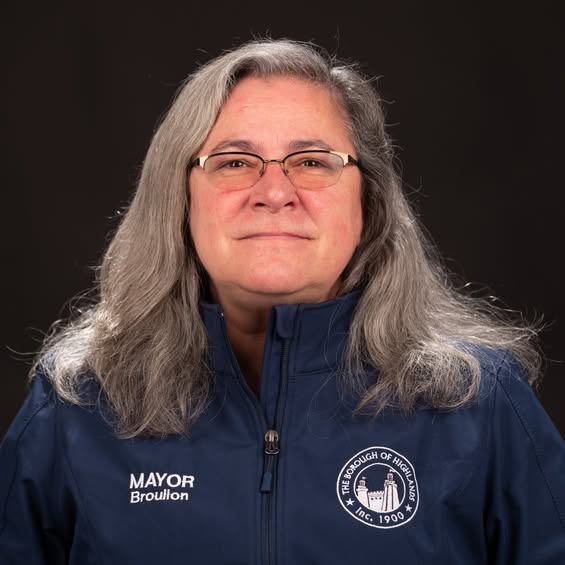
Highlands Mayor Carolyn Broullon noted the work is proceeding on schedule and will honor the former Mayor known for his dedication to the borough, games and the importance of exercise equipment for all.,

The borough applied for funds two years ago through the Monmouth County Open Space Trust Fund to complete the improvements, which include wooden fencing upgrades around the park, as well as a newly paved bocce court, benches, outdoor fitness equipment, and tables for both checkers and chess, Improvements also include new planting and walkway.

Located just below Route 36 on Mill St. and an the Miller St. Hill above the Highlands Fire House, the Park is easily accessible on foot by residents both above Route 36 and below Shore Drive.

frank hall park Frank Frank Frank Frank Frank Frank Frank Frank

 In the beginning God created the heavens and the earth. Now the earth was formless and empty, darkness was over the surface of the deep, and the Spirit of God was hovering over the waters.

And God said, “Let there be light,” and there was light. God saw that the light was good, and he separated the light from the darkness. God called the light “day,” and the darkness he called “night.” And there was evening, and there was morning—the first day.

And God said, “Let there be a vault between the waters to separate water from water.” So God made the vault and separated the water under the vault from the water above it. And it was so. God called the vault “sky.” And there was evening, and there was morning—the second day.

And God said, “Let the water under the sky be gathered to one place, and let dry ground appear.” And it was so. 10 God called the dry ground “land,” and the gathered waters he called “seas.” And God saw that it was good.

11 Then God said, “Let the land produce vegetation: seed-bearing plants and trees on the land that bear fruit with seed in it, according to their various kinds.” And it was so. 12 The land produced vegetation: plants bearing seed according to their kinds and trees bearing fruit with seed in it according to their kinds. And God saw that it was good. 13 And there was evening, and there was morning—the third day.

14 And God said, “Let there be lights in the vault of the sky to separate the day from the night, and let them serve as signs to mark sacred times, and days and years, 15 and let them be lights in the vault of the sky to give light on the earth.” And it was so. 16 God made two great lights—the greater light to govern the day and the lesser light to govern the night. He also made the stars. 17 God set them in the vault of the sky to give light on the earth, 18 to govern the day and the night, and to separate light from darkness. And God saw that it was good. 19 And there was evening, and there was morning—the fourth day.

20 And God said, “Let the water teem with living creatures, and let birds fly above the earth across the vault of the sky.” 21 So God created the great creatures of the sea and every living thing with which the water teems and that moves about in it, according to their kinds, and every winged bird according to its kind. And God saw that it was good. 22 God blessed them and said, “Be fruitful and increase in number and fill the water in the seas, and let the birds increase on the earth.” 23 And there was evening, and there was morning—the fifth day.

24 And God said, “Let the land produce living creatures according to their kinds: the livestock, the creatures that move along the ground, and the wild animals, each according to its kind.” And it was so. 25 God made the wild animals according to their kinds, the livestock according to their kinds, and all the creatures that move along the ground according to their kinds. And God saw that it was good.

26 Then God said, “Let us make mankind in our image, in our likeness, so that they may rule over the fish in the sea and the birds in the sky, over the livestock and all the wild animals,[a] and over all the creatures that move along the ground.”

27 So God created mankind in his own image,
    in the image of God he created them;
    male and female he created them.

28 God blessed them and said to them, “Be fruitful and increase in number; fill the earth and subdue it. Rule over the fish in the sea and the birds in the sky and over every living creature that moves on the ground.”

29 Then God said, “I give you every seed-bearing plant on the face of the whole earth and every tree that has fruit with seed in it. They will be yours for food. 30 And to all the beasts of the earth and all the birds in the sky and all the creatures that move along the ground—everything that has the breath of life in it—I give every green plant for food.” And it was so.

31 God saw all that he had made, and it was very good. And there was evening, and there was morning—the sixth day.

Develop – At What Cost? NIMBY

1
Develop

Is this the way we want Atlantic Highlands to develop?

That was the question posed at the last Planning Board meeting when the planning board approved an application to demolish a house on a large piece of property, creating two smaller, but both conforming lots under borough ordinances.

Planning Board Chairman John McGoldrick expressed the thoughts of all the planners, sharing understanding of their concerns with residents, but explaining the approval meets all borough regulations, and denying it could result in costly and extensive litigation for the borough, in addition to not being fair to the applicant.

This current planning board, a hardworking, highly educated and deeply dedicated group of 13 men and women, (including alternates,) doesn’t hand out its variance approvals easily.

In addition to the reams of background information required under the code, as well as scrutiny of testimony from experts retained by applicants, they listen intently during the public portion, discuss their own opinions publicly and insert specific mandates within an application before granting approvals. They listen intently and carefully heed the advice of their equally outstanding attorney and engineer.

Still, it is human nature to resist change, and whether residents have been here for generations or just a few years, it is almost certain they will turn out to question and most times object to a variance application. Residents that are now ‘old timers’ because their own homes were the result of planning board approvals, now object to others being able to take advantage of similar opportunities.

Based on all of this, the planners frequently add stipulations to their approval in attempts to keep both applicants and neighbors at least understanding, if not in agreement, with proposed changes.

The application to divide a large lot with one house on it into two smaller lots, presumably to be sold and constructed with a house on each, is an example of how the planners struggled with their decision. Ultimately., they approved the application, knowing not to could well result in litigation and eventual a mandate for approval.

But the resident brought up a point the Mayor and Council should well consider and take action. She noted the quiet, suburban Harbor View Drive has changed dramatically in recent years. The vast increase in traffic brought on by Sea Streak commuters trying to avoid First Avenue traffic, itself overwhelming at times when Sea Streak comes in, have disrupted the quiet of the neighborhoods and increased traffic problems, congestion, and dangers to pedestrians and homeowners.

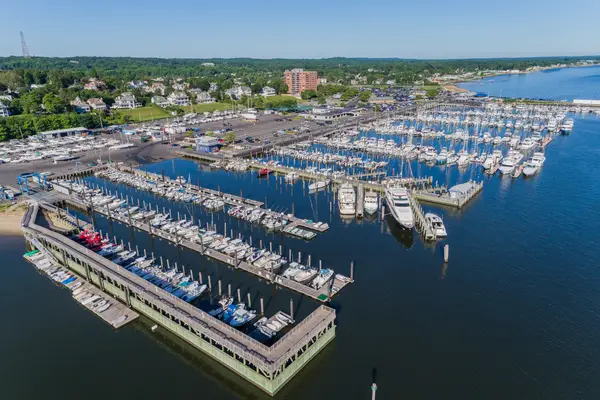
The amount of vehicles parked while commuter take Sea Streak has limited parking for those who simply want to enjoy a view at the largest and most beautiful municipal harbor on the coast. The amount of land being taken up as parking areas for Sea Streak customers continues to increase. Traffic not only on First Avenue and Hook Harbor Drive but also Mount Avenue and several other borough streets has changed the noise and activity level of once quiet residential areas.

When did it all start? Perhaps the borough’s approval of the Carton Brewery on First Avenue was one of the first visual indications that the face of Atlantic Highlands has been changed forever.

Construction of a less than esthetic appearing building on a corner directly adjacent to the historic and magnificent architecture of the Atlantic Highlands Borough Hall may have been the most flagrant vision of local residents who do indeed want to change the face of Atlantic Highlands.

Not for the better.

The building replaces the small businesses that blended in not only with the new borough hall when it was constructed, but the historic hardware store across the street that has become a borough landmark. Today, it is a bland, drab, colorless building that fits in with nothing in the area.

Is this the way we want Atlantic Highlands to develop?

The recent addition of power charging stations at the Harbor will eventually make money for the borough, once the cost of the appliances is finally paid off. But in the meantime, the sites take up more parking, encourage more motorists to use Sea Streak at this location and create more weight on an already heavy electrical power grid.

Is this the way we want Atlantic Highlands to develop?

The new apartment complex nearing completion on Mount Ave at the intersection with First Avenue almost cries out for accidents to happen. The unique configuration of the parking areas, located under the building, will have drivers backing on to an already busy intersection.

Is this the way we want Atlantic Highlands to develop?

The many buildings along First Avenue that have received approvals for high rent apartments without the promise for providing off street parking has added to congestion, and a crowded at many times municipal parking lot.

The new construction of homes on smaller lots allowing for more construction on E. Garfield Avenue has certainly already changed the appearance of the road, a lack of stable, well-established trees, and an advance look at how crowded that neighborhood will become.

Is this the way we want Atlantic Highlands to develop?

With all the construction, all the planning board actions, all the Mayor and Council approvals, is there anyone looking at the overall picture?

Does anyone check the impact on the water system? Granted, the borough supply is excellent and plentiful, But will it always be that way?

Has anyone checked on the impact on the sewerage system?

Atlantic Highlands transports its sewage to TOMSA (Middletown Township)  for treatment, That town’s Sewerage Authority already increased its facility once, and today can handle just over 10 million gallons of sewage of day. Has anyone checked how much is treated every day, can they still take on Atlantic Highlands and what happens next?

Residents already feel the brunt of power failures due to storms, fallen wires and trees. But is the power grid strong enough, plentiful enough and large enough to take on all the excessive weight residents and business, including those power stations for vehicles, put on the power system? Do we know if there is sufficient power to keep everyone’s lights on and refrigerators cool ?

Is this the way we want Atlantic Highlands to develop?

All of this is without even noting the impact on the environment ‘s air quality but ground coverage.

Neighboring Highlands has had flooding problems for centuries, Residents know about that when they purchase a home in the downtown area. Most are rugged individuals who know how to handle the situations. They know in heavy storms they have to move upstairs and wait until the tide changes. But that has changed. Now, with houses raised to meet insurance requirements, more concrete has been poured, more ground covered, and therefore, less space for water to flow naturally. Atlantic Highlands has few areas that flood but with more ground coverage, and more paving covering natural areas, it is inconceivable to think flooding will not get worse in this borough.,

Is this the way we want Atlantic Highlands to develop?

The solution lies with the governing body. It is time to review many of the local ordinances, study the impacts of some on the environment, the quality of the borough as it increases in size and popularity and make tough decisions on whether it wants to retain as much of the borough’s atmosphere and small town feeling that it can, or does it want to continue to grow, cover up natural areas, squeeze in as many homes and businesses as possible and change the very look and feel that draw people here in the first place.

Develop Develop Develop Develop Develop Develop
Dr. William Jacoutot
recreation

Recreation

Atlantic Highlands Recreation Camp

0
recreation

It was Dress up Day at the Atlantic Highlands Recreation Camp this week, and etiquette expert Peeka Tildesley kept second and third grade youngsters laughing, chatting, and remembering where to put their knives and folks when finishing a meal during one of the certified teacher’s classes at the Atlantic Highlands School.

Tildesley, who is a certified etiquette expert after graduating from the American School of Protocol in Atlanta, Georgia, offers one of the unique programs during the six week program sponsored by the Borough and held both indoors and outdoors at the elementary school.

For Dress Up Day, the 144 youngsters in the program came dressed in everything from tutu and lace skirts to fancy red hats and pieces of knight’s armor, one of many activities organized under program director Meg Fischer,

Since it was a dress up day, Fisher opted for an entertaining class for each age group in table manners and daily etiquette. The second and third grade youngsters were in one of he four classes Tildesley gave this week, concentrating on specifics for each age group.

Tildesley, who enjoys the class as much as the youngsters, explained to the second and third graders the importance of proper table manners, encouraging youngsters to offer to set their tables at home for dinner. She explained the importance of proper table settings, the fork to the left, the knife to the right of the plate, it blade always turned inwards so “it doesn’t look like you’re going to attack your dining partner next to you.” She cited seven uses for dinner napkins, as well as several things never to be done with the napkin, and giving the reason why it is important to have the fold of a napkin at the waist when dining.

Once youngsters repeated several rules in poetic form for easier learning and remembrance, she invited them all to sit at the table clothed fully set table to put their lessons to work. Tildesley complimented the youngsters for immediately beginning conversations with their dining partners, noting the importance of casual conversation for enjoyable meals., Using slices of fresh watermelon, the youngsters learned how to slice a steak, a where to put the knife after use, how to handle the knife and fork together, and what to do if a dining partner takes your glass or fork by mistake. The expert also emphasized that cell phones should never be on the table, but could be located discretely nearby should they be necessary for a contact. She demonstrated, and the students responded perfectly, how to eat soup, and noted baseball caps and similar attire are never permitted at the dining table. Nor should purses or any other objects other than napkins and food utensils ever be on the bale, she said.

Tildesley expanded her table etiquette to encourage the youngsters to offer to set their own tables at home, even suggesting simple table centerpiece to make it more attractive.. Showing courtesy and patience,youngsters declined to taste their own ‘steak’ until everyone had been served.

In addition to proper table manners, Tildesley explained to the students the importance of starting each day happily, and thanking family members for anything they had done. She cautioned against overloading a plate at a buffet service, as well as a number of other courtesy habits which make dining experiences more pleasant for everyone,.

Youngsters reacted with cheers, laughter and dutiful remembrance of BMW…Bread, Meal, Water portions of the meal. They asked a series of questions on what to do if others are rude, make foul noises or drop something on the floor.

I learned how to bend my arm with the soup spoon,” one youngster said, while others said he liked “just seeing where the knife and fork should be and that I shouldn’t make it look like I’m stabbing someone with the knife.”

Tildesley and Director Fischer, who is present for the presentations, also praised the counselors who are in attendance at the session, setting the table, clearing it between ‘courses’ and generally giving assistance to each of the children.

Counselors are present for each of the sessions, generally divided by grades, and keeping the program running timely and smoothly.

Planned for future “special days” during the rest of the season, Fischer said there will be trips to local businesses and demonstrations of various foods created in the borough, including both pizza and coffee grinding.

Dr. William Jacoutot
recreation

Recreation

Recreation Recreation Recreation  Recreation Recreation Recreation Recreation Recreation

“Dr. J” Jacoutot Now at Hudson

0
Jacoutot

What excites me the most is that we’re all a team that already knows how well we work together,” said Dr. William Jacoutot, the new Director of Curriculum and Instruction at the Henry Hudson k-12 Regional School District.

Jacoutot is stepping up from his position as principal of the Highlands Elementary School to take on the role as head of the department which also includes Melissa Garcia, who has been and will continue to be supervisor of instruction for the district.

With Dr. Jacoutot’s educational background and qualifications, the district will now have the ability for even more structure and more innovative ideas for keeping educational standards at the highest level in all three schools.

The creation of a broadened program that includes a director to oversee the curriculum for the k-12 district was made even better since all the other members of the team are also ‘veterans’ in the school district, familiar with all three schools, students, and faculty. Because of all this, plans for the new school year are “already ahead of schedule,” he said.

Joining the Director and Garcia on the team are the new principals in the district, all of whom have been in the district for several years in other positions. Eric Pritchard, who has been vice principal and athletic director at Henry Hudson School for the past four years, will now be the principal at the Highlands school, replacing Dr. Jacoutot. Thomas Lynch, who has been the science and chemistry teacher as well as the coach of many athletic teams at Hudson for 28 years, will now be the vice principal and athletic director at Henry Hudson. Andrew Teeple, who has been an interim in the district for the last two years and is a retired school administration, will now be the principal of the Atlantic Highlands Elementary school at least until temporarily, most likely up to two years. But Teeple also has his own connections to the district, having been raised in Highlands with parents who made their own generous contributions to the school district as employee, teacher and board of education member.

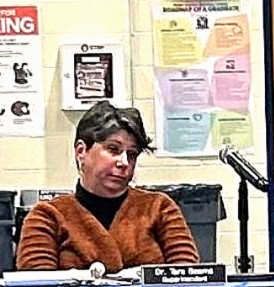
“The Board of Education, administrative team, faculty, and staff have been incredibly supportive of our newly restructured Office of Curriculum & Instruction,” said Dr. Tara Beams, administrator of the district. “This exciting redesign introduces a new Supervisor of Instruction to work collaboratively with our Director and expands leadership opportunities to foster and develop future educators within our district.”

We are thrilled to appoint Dr. Jacoutot as the new Director ,” she continued. “ Over the past three years as the principal of Highlands Elementary School, he has led his school community to outstanding student growth and achievement.” Dr. Beams pointed out that throughout his tenure, Dr. Jacoutet “has consistently demonstrated a deep expertise in curriculum development, strong instructional practices, and a commitment to targeted professional growth for our staff. We are excited to watch him bring this same transformative leadership and vision to the entire district. “

That “Dr. J” is capable of taking on the newly created position and getting a high standard for excellence cannot be denied. After working 13 years as a teacher in the Monroe township school district in Middlesex County, where he taught world history, American history, economics and participation in Government classes, he served another three years as an elementary school vice principal and also coached both wrestling and cross country. He has been principal in Highlands for the past three years, and took on this new position the beginning of July.

Dr. Jacoutot earned his doctorate in education from Liberty University in Virginia, after earning master’s degrees in school leadership from Pennsylvania Western University and in secondary education from Wesleyan University in New York. He earned his BS in history from the University of Buffalo before starting his educational career.

The new department enables the district to have more structure in educating our students, Dr. Jacoutot said. While every school is governed by state regulations, school districts can localize their curriculum, create programs to make learning more appealing, and offer supplemental courses and training where needed. This year, he said, the department will highlight supplemental support in science, similar to what was accomplished last year in math.

Dr. Beams reiterated Dr. Jacoutot’s gratitude for how well the team has already established its program. “ Working with Mrs. Melissa Garcia, who has served our schools for the last 15 years as a teacher and instructional coach. I have seen how she supported our teachers through curriculum implementations, provided resources to help differentiate instruction, and led ongoing professional development across all content areas and grade levels. Not only does she bring incredible expertise in instructional best practices, but her deep commitment to our district and her passion for progress will also have an incredibly positive impact.”

While the formal acceptance of the new position just went into effect July 1, Dr. Jacoutot said the program is ahead of schedule at least in part because the team has been working together in anticipation of the reality and has been building the infrastructure . Even locations of the meetings of the team are being rotated. While JD. Jacoutot will now have his office in the larger Atlantic Highlands school, both he and Garcia will be involved in all three schools, a and working together with each school’s principal to continue to maintain their focus on teaching and learning. “Everything can’t be accomplished overnight,” he said, “but there are distinct advantages in everyone knowing the buildings, the faculty and the student. Here, the students work together and know each other, even though they come from two different towns.”

Although at the elementary school level the Atlantic Highlands school has approximately twice the number of students as Highlands, many of their programs are completed together, the children compete on different sports teams together, and work together on school outings and major events.

We’re all in the same ball park,” he said, and all have the goal of continuing to build a positive momentum together.. “My immediate goal is that we continue to build on this positive momentum and continue to work together with a strong focus on curriculum.”

As far as a long-time goal? Dr. Jacoutot thought for a second, smiled and said, “I just want to continue to find ways to be certain all our kids get all the opportunities to be the best they can be.”

Dr. William Jacoutot
Accident

Accident on 520

0
accident

Middletown Township Police received a call Friday, July 3, at approximately 12:23p.m., reporting a two-car motor vehicle crash at the intersection of Newman Springs Road (County Road 520) and Half Mile Road, in the Lincroft section of the township.

police

Callers reported one of the vehicles had caught fire following the crash. Upon arrival, officers confirmed there was a fire in the engine compartment; the driver and the 13-month-old infant in the vehicle were able to exit the vehicle safely on their own. The Middletown Township Fire Department responded to the crash and extinguished the fire without incident.

Officers determined there were four people injured in the crash and all injuries were minor and non-life-threatening in nature. Middletown Township Emergency Medical Services responded and provided treatment and transport for the patients. Three were transported to Hackensack Meridian Healthcare Riverview Medical Center in Red Bank, and the other was brought to Hackensack Meridian Healthcare Jersey Shore University Medical Center, in Neptune.

The crash is still an active investigation. None of the parties involved is being identified at this time. Members of the public who may have information or who witnessed the crash is asked to please contact Cpl. Richard Belmonte of the Middletown Township Police Traffic Safety Bureau at (732) 615-2045.

Accident

Accident  Accident Accident Accident Accident Accident Accident Accident Accident Accident Accident Accident  Accident Accident Accident Accident Accident Accident Accident Accident Accident Accident Accident Accident  Accident Accident Accident Accident Accident Accident Accident Accident Accident Accident Accident  Accident Accident Accident Accident Accident Accident Accident Accident Accident Accident Accident Accident  Accident Accident Accident Accident Accident Accident Accident Accident Accident Accident Accident  Accident Accident Accident Accident Accident Accident Accident Accident Accident Accident Accident henry henry henry henry henry henry henry henry henry henry henry henry henry henry henry henry henry henry henry henry henry henry henry henry henry henry henry henry henry henry henry henry henry henry henry henry henry henry henry henry henry henryhenry henry henry henry henry henry henry henry henry henry henry henry henry henry henry henry henry henry henry henry henry henry henry henry henry henry henry henry henry henry henry henry henry henry henry henry henry henry henry henry henry henry Honoring Honoring Honoring Honoring Honoring  Honoring Honoring Honoring Honoring Honoring Honoring Honoring Honoring eagle  eagle eagle eagle eagle eagle eagle eagle eagle eagle eagle eagle HAPTER 1 LOOMINGS. Call Me Ishmael. Some years ago—never mind how long precisely—having little or no money in my purse, and nothing particular to interest me on shore, I thought I would sail about a little and see the watery part of the world. It is a way I have of driving off the spleen, and regulating the circulation. Whenever I find myself growing grim about the mouth; whenever it is a damp, drizzly November in my soul; whenever I find myself involuntarily pausing before coffin warehouses, and bringing up the rear of every funeral I meet; and especially whenever my hypos get such an upper hand of me, that it requires a strong moral principle to prevent me from deliberately stepping into the street, and methodically knocking people’s hats off—then, I account it high time to get to sea as soon as I can. This is my substitute for pistol and ball. With a philosophical flourish Cato throws himself upon his sword; I quietly take to the ship. There is nothing surprising in this. If they but knew it, almost all men in their degree, some time or other, cherish very nearly the same feelings towards the ocean with me. There now is your insular city of the Manhattoes, belted round by wharves as Indian isles by coral reefs—commerce surrounds it with her surf. Right and left, the streets take you waterward. Its extreme down-town is the Battery, where that noble mole is washed by waves, and cooled by breezes, which a few hours previous were out of sight of land. Look at the crowds of water-gazers there. Circumambulate the city of a dreamy Sabbath afternoon. Go from Corlears Hook to Coenties Slip, and from thence, by Whitehall, northward. What do you see?—Posted like silent sentinels all around the town, stand thousands upon thousands of mortal men fixed in ocean reveries. Some leaning against the spiles; some seated upon the pier-heads; some looking over the bulwarks of ships from China; some high aloft in the rigging, as if striving to get a still better seaward peep. But these are all landsmen; of week days pent up in lath and plaster—tied to counters, nailed to benches, clinched to desks. How then is this? Are the green fields gone? What do they here? CHAPTER 1 LOOMINGS. Call Me Ishmael. Some years ago—never mind how long precisely—having little or no money in my purse, and nothing particular to interest me on shore, I thought I would sail about a little and see the watery part of the world. It is a way I have of driving off the spleen, and regulating the circulation. Whenever I find myself growing grim about the mouth; whenever it is a damp, drizzly November in my soul; whenever I find myself involuntarily pausing before coffin warehouses, and bringing up the rear of every funeral I meet; and especially whenever my hypos get such an upper hand of me, that it requires a strong moral principle to prevent me from deliberately stepping into the street, and methodically knocking people’s hats off—then, I account it high time to get to sea as soon as I can. This is my substitute for pistol and ball. With a philosophical flourish Cato throws himself upon his sword; I quietly take to the ship. There is nothing surprising in this. If they but knew it, almost all men in their degree, some time or other, cherish very nearly the same feelings towards the ocean with me. There now is your insular city of the Manhattoes, belted round by wharves as Indian isles by coral reefs—commerce surrounds it with her surf. Right and left, the streets take you waterward. Its extreme down-town is the Battery, where that noble mole is washed by waves, and cooled by breezes, which a few hours previous were out of sight of land. Look at the crowds of water-gazers there. Circumambulate the city of a dreamy Sabbath afternoon. Go from Corlears Hook to Coenties Slip, and from thence, by Whitehall, northward. What do you see?—Posted like silent sentinels all around the town, stand thousands upon thousands of mortal men fixed in ocean reveries. Some leaning against the spiles; some seated upon the pier-heads; some looking over the bulwarks of ships from China; some high aloft in the rigging, as if striving to get a still better seaward peep. But these are all landsmen; of week days pent up in lath and plaster—tied to counters, nailed to benches, clinched to desks. How then is this? Are the green fields gone? What do they here? CHAPTER 1 LOOMINGS. Call Me Ishmael. Some years ago—never mind how long precisely—having little or no money in my purse, and nothing particular to interest me on shore, I thought I would sail about a little and see the watery part of the world. It is a way I have of driving off the spleen, and regulating the circulation. Whenever I find myself growing grim about the mouth; whenever it is a damp, drizzly November in my soul; whenever I find myself involuntarily pausing before coffin warehouses, and bringing up the rear of every funeral I meet; and especially whenever my hypos get such an upper hand of me, that it requires a strong moral principle to prevent me from deliberately stepping into the street, and methodically knocking people’s hats off—then, I account it high time to get to sea as soon as I can. This is my substitute for pistol and ball. With a philosophical flourish Cato throws himself upon his sword; I quietly take to the ship. There is nothing surprising in this. If they but knew it, almost all men in their degree, some time or other, cherish very nearly the same feelings towards the ocean with me. There now is your insular city of the Manhattoes, belted round by wharves as Indian isles by coral reefs—commerce surrounds it with her surf. Right and left, the streets take you waterward. Its extreme down-town is the Battery, where that noble mole is washed by waves, and cooled by breezes, which a few hours previous were out of sight of land. Look at the crowds of water-gazers there. Circumambulate the city of a dreamy Sabbath afternoon. Go from Corlears Hook to Coenties Slip, and from thence, by Whitehall, northward. What do you see?—Posted like silent sentinels all around the town, stand thousands upon thousands of mortal men fixed in ocean reveries. Some leaning against the spiles; some seated upon the pier-heads; some looking over the bulwarks of ships from China; some high aloft in the rigging, as if striving to get a still better seaward peep. But these are all landsmen; of week days pent up in lath and plaster—tied to counters, nailed to benches, clinched to desks. How then is this? Are the green fields gone? What do they here? Honoring Honoring Honoring Honoring Honoring Breakfast Breakfast Breakfast Breakfast Breakfast Breakfast Breakfast Breakfast Breakfast Car Show Car Show Car Show Car Show Car Show Car Show Car Show Car Show Honoring Honoring Honoring Honoring Honoring HonorHonoringing Honoring Honoring Honoring Honoring Honoring Honoring Honoring Honoring eagle  eagle eagle eagle eagle eagle eagle eagle police police police police police police police police police police police police police police police police Honoring Honoring Honoring Honoring Honoring  Honoring Honoring Honoring Honoring Honoring Honoring Honoring Honoring eagle  eagle eagle eagle eagle eagle eagle eagle eagle eagle eagle eagle HAPTER 1 LOOMINGS. Call Me Ishmael. Some years ago—never mind how long precisely—having little or no money in my purse, and nothing particular to interest me on shore, I thought I would sail about a little and see the watery part of the world. It is a way I have of driving off the spleen, and regulating the circulation. Whenever I find myself growing grim about the mouth; whenever it is a damp, drizzly November in my soul; whenever I find myself involuntarily pausing before coffin warehouses, and bringing up the rear of every funeral I meet; and especially whenever my hypos get such an upper hand of me, that it requires a strong moral principle to prevent me from deliberately stepping into the street, and methodically knocking people’s hats off—then, I account it high time to get to sea as soon as I can. This is my substitute for pistol and ball. With a philosophical flourish Cato throws himself upon his sword; I quietly take to the ship. There is nothing surprising in this. If they but knew it, almost all men in their degree, some time or other, cherish very nearly the same feelings towards the ocean with me. There now is your insular city of the Manhattoes, belted round by wharves as Indian isles by coral reefs—commerce surrounds it with her surf. Right and left, the streets take you waterward. Its extreme down-town is the Battery, where that noble mole is washed by waves, and cooled by breezes, which a few hours previous were out of sight of land. Look at the crowds of water-gazers there. Circumambulate the city of a dreamy Sabbath afternoon. Go from Corlears Hook to Coenties Slip, and from thence, by Whitehall, northward. What do you see?—Posted like silent sentinels all around the town, stand thousands upon thousands of mortal men fixed in ocean reveries. Some leaning against the spiles; some seated upon the pier-heads; some looking over the bulwarks of ships from China; some high aloft in the rigging, as if striving to get a still better seaward peep. But these are all landsmen; of week days pent up in lath and plaster—tied to counters, nailed to benches, clinched to desks. How then is this? Are the green fields gone? What do they here? CHAPTER 1 LOOMINGS. Call Me Ishmael. Some years ago—never mind how long precisely—having little or no money in my purse, and nothing particular to interest me on shore, I thought I would sail about a little and see the watery part of the world. It is a way I have of driving off the spleen, and regulating the circulation. Whenever I find myself growing grim about the mouth; whenever it is a damp, drizzly November in my soul; whenever I find myself involuntarily pausing before coffin warehouses, and bringing up the rear of every funeral I meet; and especially whenever my hypos get such an upper hand of me, that it requires a strong moral principle to prevent me from deliberately stepping into the street, and methodically knocking people’s hats off—then, I account it high time to get to sea as soon as I can. This is my substitute for pistol and ball. With a philosophical flourish Cato throws himself upon his sword; I quietly take to the ship. There is nothing surprising in this. If they but knew it, almost all men in their degree, some time or other, cherish very nearly the same feelings towards the ocean with me. There now is your insular city of the Manhattoes, belted round by wharves as Indian isles by coral reefs—commerce surrounds it with her surf. Right and left, the streets take you waterward. Its extreme down-town is the Battery, where that noble mole is washed by waves, and cooled by breezes, which a few hours previous were out of sight of land. Look at the crowds of water-gazers there. Circumambulate the city of a dreamy Sabbath afternoon. Go from Corlears Hook to Coenties Slip, and from thence, by Whitehall, northward. What do you see?—Posted like silent sentinels all around the town, stand thousands upon thousands of mortal men fixed in ocean reveries. Some leaning against the spiles; some seated upon the pier-heads; some looking over the bulwarks of ships from China; some high aloft in the rigging, as if striving to get a still better seaward peep. But these are all landsmen; of week days pent up in lath and plaster—tied to counters, nailed to benches, clinched to desks. How then is this? Are the green fields gone? What do they here? CHAPTER 1 LOOMINGS. Call Me Ishmael. Some years ago—never mind how long precisely—having little or no money in my purse, and nothing particular to interest me on shore, I thought I would sail about a little and see the watery part of the world. It is a way I have of driving off the spleen, and regulating the circulation. Whenever I find myself growing grim about the mouth; whenever it is a damp, drizzly November in my soul; whenever I find myself involuntarily pausing before coffin warehouses, and bringing up the rear of every funeral I meet; and especially whenever my hypos get such an upper hand of me, that it requires a strong moral principle to prevent me from deliberately stepping into the street, and methodically knocking people’s hats off—then, I account it high time to get to sea as soon as I can. This is my substitute for pistol and ball. With a philosophical flourish Cato throws himself upon his sword; I quietly take to the ship. There is nothing surprising in this. If they but knew it, almost all men in their degree, some time or other, cherish very nearly the same feelings towards the ocean with me. There now is your insular city of the Manhattoes, belted round by wharves as Indian isles by coral reefs—commerce surrounds it with her surf. Right and left, the streets take you waterward. Its extreme down-town is the Battery, where that noble mole is washed by waves, and cooled by breezes, which a few hours previous were out of sight of land. Look at the crowds of water-gazers there. Circumambulate the city of a dreamy Sabbath afternoon. Go from Corlears Hook to Coenties Slip, and from thence, by Whitehall, northward. What do you see?—Posted like silent sentinels all around the town, stand thousands upon thousands of mortal men fixed in ocean reveries. Some leaning against the spiles; some seated upon the pier-heads; some looking over the bulwarks of ships from China; some high aloft in the rigging, as if striving to get a still better seaward peep. But these are all landsmen; of week days pent up in lath and plaster—tied to counters, nailed to benches, clinched to desks. How then is this? Are the green fields gone? What do they here? Honoring Honoring Honoring Honoring Honoring Breakfast Breakfast Breakfast Breakfast Breakfast Breakfast Breakfast Breakfast Breakfast Car Show Car Show Car Show Car Show Car Show Car Show Car Show Car Show Honoring Honoring Honoring Honoring Honoring HonorHonoringing Honoring Honoring Honoring Honoring Honoring Honoring Honoring Honoring eagle
police police police police police police police police police police police police police police police police Honoring Honoring Honoring Honoring Honoring  Honoring Honoring Honoring Honoring Honoring Honoring Honoring Honoring eagle  eagle eagle eagle eagle eagle eagle eagle eagle eagle eagle eagle HAPTER 1 LOOMINGS. Call Me Ishmael. Some years ago—never mind how long precisely—having little or no money in my purse, and nothing particular to interest me on shore, I thought I would sail about a little and see the watery part of the world. It is a way I have of driving off the spleen, and regulating the circulation. Whenever I find myself growing grim about the mouth; whenever it is a damp, drizzly November in my soul; whenever I find myself involuntarily pausing before coffin warehouses, and bringing up the rear of every funeral I meet; and especially whenever my hypos get such an upper hand of me, that it requires a strong moral principle to prevent me from deliberately stepping into the street, and methodically knocking people’s hats off—then, I account it high time to get to sea as soon as I can. This is my substitute for pistol and ball. With a philosophical flourish Cato throws himself upon his sword; I quietly take to the ship. There is nothing surprising in this. If they but knew it, almost all men in their degree, some time or other, cherish very nearly the same feelings towards the ocean with me. There now is your insular city of the Manhattoes, belted round by wharves as Indian isles by coral reefs—commerce surrounds it with her surf. Right and left, the streets take you waterward. Its extreme down-town is the Battery, where that noble mole is washed by waves, and cooled by breezes, which a few hours previous were out of sight of land. Look at the crowds of water-gazers there. Circumambulate the city of a dreamy Sabbath afternoon. Go from Corlears Hook to Coenties Slip, and from thence, by Whitehall, northward. What do you see?—Posted like silent sentinels all around the town, stand thousands upon thousands of mortal men fixed in ocean reveries. Some leaning against the spiles; some seated upon the pier-heads; some looking over the bulwarks of ships from China; some high aloft in the rigging, as if striving to get a still better seaward peep. But these are all landsmen; of week days pent up in lath and plaster—tied to counters, nailed to benches, clinched to desks. How then is this? Are the green fields gone? What do they here? CHAPTER 1 LOOMINGS. Call Me Ishmael. Some years ago—never mind how long precisely—having little or no money in my purse, and nothing particular to interest me on shore, I thought I would sail about a little and see the watery part of the world. It is a way I have of driving off the spleen, and regulating the circulation. Whenever I find myself growing grim about the mouth; whenever it is a damp, drizzly November in my soul; whenever I find myself involuntarily pausing before coffin warehouses, and bringing up the rear of every funeral I meet; and especially whenever my hypos get such an upper hand of me, that it requires a strong moral principle to prevent me from deliberately stepping into the street, and methodically knocking people’s hats off—then, I account it high time to get to sea as soon as I can. This is my substitute for pistol and ball. With a philosophical flourish Cato throws himself upon his sword; I quietly take to the ship. There is nothing surprising in this. If they but knew it, almost all men in their degree, some time or other, cherish very nearly the same feelings towards the ocean with me. There now is your insular city of the Manhattoes, belted round by wharves as Indian isles by coral reefs—commerce surrounds it with her surf. Right and left, the streets take you waterward. Its extreme down-town is the Battery, where that noble mole is washed by waves, and cooled by breezes, which a few hours previous were out of sight of land. Look at the crowds of water-gazers there. Circumambulate the city of a dreamy Sabbath afternoon. Go from Corlears Hook to Coenties Slip, and from thence, by Whitehall, northward. What do you see?—Posted like silent sentinels all around the town, stand thousands upon thousands of mortal men fixed in ocean reveries. Some leaning against the spiles; some seated upon the pier-heads; some looking over the bulwarks of ships from China; some high aloft in the rigging, as if striving to get a still better seaward peep. But these are all landsmen; of week days pent up in lath and plaster—tied to counters, nailed to benches, clinched to desks. How then is this? Are the green fields gone? What do they here? CHAPTER 1 LOOMINGS. Call Me Ishmael. Some years ago—never mind how long precisely—having little or no money in my purse, and nothing particular to interest me on shore, I thought I would sail about a little and see the watery part of the world. It is a way I have of driving off the spleen, and regulating the circulation. Whenever I find myself growing grim about the mouth; whenever it is a damp, drizzly November in my soul; whenever I find myself involuntarily pausing before coffin warehouses, and bringing up the rear of every funeral I meet; and especially whenever my hypos get such an upper hand of me, that it requires a strong moral principle to prevent me from deliberately stepping into the street, and methodically knocking people’s hats off—then, I account it high time to get to sea as soon as I can. This is my substitute for pistol and ball. With a philosophical flourish Cato throws himself upon his sword; I quietly take to the ship. There is nothing surprising in this. If they but knew it, almost all men in their degree, some time or other, cherish very nearly the same feelings towards the ocean with me. There now is your insular city of the Manhattoes, belted round by wharves as Indian isles by coral reefs—commerce surrounds it with her surf. Right and left, the streets take you waterward. Its extreme down-town is the Battery, where that noble mole is washed by waves, and cooled by breezes, which a few hours previous were out of sight of land. Look at the crowds of water-gazers there. Circumambulate the city of a dreamy Sabbath afternoon. Go from Corlears Hook to Coenties Slip, and from thence, by Whitehall, northward. What do you see?—Posted like silent sentinels all around the town, stand thousands upon thousands of mortal men fixed in ocean reveries. Some leaning against the spiles; some seated upon the pier-heads; some looking over the bulwarks of ships from China; some high aloft in the rigging, as if striving to get a still better seaward peep. But these are all landsmen; of week days pent up in lath and plaster—tied to counters, nailed to benches, clinched to desks. How then is this? Are the green fields gone? What do they here? Honoring Honoring Honoring Honoring Honoring Breakfast Breakfast Breakfast Breakfast Breakfast Breakfast Breakfast Breakfast Breakfast Car Show Car Show Car Show Car Show Car Show Car Show Car Show Car Show Honoring Honoring henry henry henry henry henry henry henry henry henry henry henry henry henry henry henry henry henry henry henry henry henry henry henry henry henry henry henry henry henry henry henry henry henry henry henry henry henry henry henry henry henry henryhenry henry henry henry henry henry henry henry henry henry henry henry henry henry henry henry henry henry henry henry henry henry henry henry henry henry henry henry henry henry henry henry henry henry henry henry henry henry henry henry henry henry Honoring Honoring Honoring Honoring Honoring  Honoring Honoring Honoring Honoring Honoring Honoring Honoring Honoring eagle  eagle eagle eagle eagle eagle eagle eagle eagle eagle eagle eagle HAPTER 1 LOOMINGS. Call Me Ishmael. Some years ago—never mind how long precisely—having little or no money in my purse, and nothing particular to interest me on shore, I thought I would sail about a little and see the watery part of the world. It is a way I have of driving off the spleen, and regulating the circulation. Whenever I find myself growing grim about the mouth; whenever it is a damp, drizzly November in my soul; whenever I find myself involuntarily pausing before coffin warehouses, and bringing up the rear of every funeral I meet; and especially whenever my hypos get such an upper hand of me, that it requires a strong moral principle to prevent me from deliberately stepping into the street, and methodically knocking people’s hats off—then, I account it high time to get to sea as soon as I can. This is my substitute for pistol and ball. With a philosophical flourish Cato throws himself upon his sword; I quietly take to the ship. There is nothing surprising in this. If they but knew it, almost all men in their degree, some time or other, cherish very nearly the same feelings towards the ocean with me. There now is your insular city of the Manhattoes, belted round by wharves as Indian isles by coral reefs—commerce surrounds it with her surf. Right and left, the streets take you waterward. Its extreme down-town is the Battery, where that noble mole is washed by waves, and cooled by breezes, which a few hours previous were out of sight of land. Look at the crowds of water-gazers there. Circumambulate the city of a dreamy Sabbath afternoon. Go from Corlears Hook to Coenties Slip, and from thence, by Whitehall, northward. What do you see?—Posted like silent sentinels all around the town, stand thousands upon thousands of mortal men fixed in ocean reveries. Some leaning against the spiles; some seated upon the pier-heads; some looking over the bulwarks of ships from China; some high aloft in the rigging, as if striving to get a still better seaward peep. But these are all landsmen; of week days pent up in lath and plaster—tied to counters, nailed to benches, clinched to desks. How then is this? Are the green fields gone? What do they here? CHAPTER 1 LOOMINGS. Call Me Ishmael. Some years ago—never mind how long precisely—having little or no money in my purse, and nothing particular to interest me on shore, I thought I would sail about a little and see the watery part of the world. It is a way I have of driving off the spleen, and regulating the circulation. Whenever I find myself growing grim about the mouth; whenever it is a damp, drizzly November in my soul; whenever I find myself involuntarily pausing before coffin warehouses, and bringing up the rear of every funeral I meet; and especially whenever my hypos get such an upper hand of me, that it requires a strong moral principle to prevent me from deliberately stepping into the street, and methodically knocking people’s hats off—then, I account it high time to get to sea as soon as I can. This is my substitute for pistol and ball. With a philosophical flourish Cato throws himself upon his sword; I quietly take to the ship. There is nothing surprising in this. If they but knew it, almost all men in their degree, some time or other, cherish very nearly the same feelings towards the ocean with me. There now is your insular city of the Manhattoes, belted round by wharves as Indian isles by coral reefs—commerce surrounds it with her surf. Right and left, the streets take you waterward. Its extreme down-town is the Battery, where that noble mole is washed by waves, and cooled by breezes, which a few hours previous were out of sight of land. Look at the crowds of water-gazers there. Circumambulate the city of a dreamy Sabbath afternoon. Go from Corlears Hook to Coenties Slip, and from thence, by Whitehall, northward. What do you see?—Posted like silent sentinels all around the town, stand thousands upon thousands of mortal men fixed in ocean reveries. Some leaning against the spiles; some seated upon the pier-heads; some looking over the bulwarks of ships from China; some high aloft in the rigging, as if striving to get a still better seaward peep. But these are all landsmen; of week days pent up in lath and plaster—tied to counters, nailed to benches, clinched to desks. How then is this? Are the green fields gone? What do they here? CHAPTER 1 LOOMINGS. Call Me Ishmael. Some years ago—never mind how long precisely—having little or no money in my purse, and nothing particular to interest me on shore, I thought I would sail about a little and see the watery part of the world. It is a way I have of driving off the spleen, and regulating the circulation. Whenever I find myself growing grim about the mouth; whenever it is a damp, drizzly November in my soul; whenever I find myself involuntarily pausing before coffin warehouses, and bringing up the rear of every funeral I meet; and especially whenever my hypos get such an upper hand of me, that it requires a strong moral principle to prevent me from deliberately stepping into the street, and methodically knocking people’s hats off—then, I account it high time to get to sea as soon as I can. This is my substitute for pistol and ball. With a philosophical flourish Cato throws himself upon his sword; I quietly take to the ship. There is nothing surprising in this. If they but knew it, almost all men in their degree, some time or other, cherish very nearly the same feelings towards the ocean with me. There now is your insular city of the Manhattoes, belted round by wharves as Indian isles by coral reefs—commerce surrounds it with her surf. Right and left, the streets take you waterward. Its extreme down-town is the Battery, where that noble mole is washed by waves, and cooled by breezes, which a few hours previous were out of sight of land. Look at the crowds of water-gazers there. Circumambulate the city of a dreamy Sabbath afternoon. Go from Corlears Hook to Coenties Slip, and from thence, by Whitehall, northward. What do you see?—Posted like silent sentinels all around the town, stand thousands upon thousands of mortal men fixed in ocean reveries. Some leaning against the spiles; some seated upon the pier-heads; some looking over the bulwarks of ships from China; some high aloft in the rigging, as if striving to get a still better seaward peep. But these are all landsmen; of week days pent up in lath and plaster—tied to counters, nailed to benches, clinched to desks. How then is this? Are the green fields gone? What do they here? Honoring Honoring Honoring Honoring Honoring Breakfast Breakfast Breakfast Breakfast Breakfast Breakfast Breakfast Breakfast Breakfast Car Show Car Show Car Show Car Show Car Show Car Show Car Show Car Show Honoring Honoring Honoring Honoring Honoring HonorHonoringing Honoring Honoring Honoring Honoring Honoring Honoring Honoring Honoring eagle  eagle eagle eagle eagle eagle eagle eagle police police police police police police police police police police police police police police police police Honoring Honoring Honoring Honoring Honoring  Honoring Honoring Honoring Honoring Honoring Honoring Honoring Honoring eagle  eagle eagle eagle eagle eagle eagle eagle eagle eagle eagle eagle HAPTER 1 LOOMINGS. Call Me Ishmael. Some years ago—never mind how long precisely—having little or no money in my purse, and nothing particular to interest me on shore, I thought I would sail about a little and see the watery part of the world. It is a way I have of driving off the spleen, and regulating the circulation. Whenever I find myself growing grim about the mouth; whenever it is a damp, drizzly November in my soul; whenever I find myself involuntarily pausing before coffin warehouses, and bringing up the rear of every funeral I meet; and especially whenever my hypos get such an upper hand of me, that it requires a strong moral principle to prevent me from deliberately stepping into the street, and methodically knocking people’s hats off—then, I account it high time to get to sea as soon as I can. This is my substitute for pistol and ball. With a philosophical flourish Cato throws himself upon his sword; I quietly take to the ship. There is nothing surprising in this. If they but knew it, almost all men in their degree, some time or other, cherish very nearly the same feelings towards the ocean with me. There now is your insular city of the Manhattoes, belted round by wharves as Indian isles by coral reefs—commerce surrounds it with her surf. Right and left, the streets take you waterward. Its extreme down-town is the Battery, where that noble mole is washed by waves, and cooled by breezes, which a few hours previous were out of sight of land. Look at the crowds of water-gazers there. Circumambulate the city of a dreamy Sabbath afternoon. Go from Corlears Hook to Coenties Slip, and from thence, by Whitehall, northward. What do you see?—Posted like silent sentinels all around the town, stand thousands upon thousands of mortal men fixed in ocean reveries. Some leaning against the spiles; some seated upon the pier-heads; some looking over the bulwarks of ships from China; some high aloft in the rigging, as if striving to get a still better seaward peep. But these are all landsmen; of week days pent up in lath and plaster—tied to counters, nailed to benches, clinched to desks. How then is this? Are the green fields gone? What do they here? CHAPTER 1 LOOMINGS. Call Me Ishmael. Some years ago—never mind how long precisely—having little or no money in my purse, and nothing particular to interest me on shore, I thought I would sail about a little and see the watery part of the world. It is a way I have of driving off the spleen, and regulating the circulation. Whenever I find myself growing grim about the mouth; whenever it is a damp, drizzly November in my soul; whenever I find myself involuntarily pausing before coffin warehouses, and bringing up the rear of every funeral I meet; and especially whenever my hypos get such an upper hand of me, that it requires a strong moral principle to prevent me from deliberately stepping into the street, and methodically knocking people’s hats off—then, I account it high time to get to sea as soon as I can. This is my substitute for pistol and ball. With a philosophical flourish Cato throws himself upon his sword; I quietly take to the ship. There is nothing surprising in this. If they but knew it, almost all men in their degree, some time or other, cherish very nearly the same feelings towards the ocean with me. There now is your insular city of the Manhattoes, belted round by wharves as Indian isles by coral reefs—commerce surrounds it with her surf. Right and left, the streets take you waterward. Its extreme down-town is the Battery, where that noble mole is washed by waves, and cooled by breezes, which a few hours previous were out of sight of land. Look at the crowds of water-gazers there. Circumambulate the city of a dreamy Sabbath afternoon. Go from Corlears Hook to Coenties Slip, and from thence, by Whitehall, northward. What do you see?—Posted like silent sentinels all around the town, stand thousands upon thousands of mortal men fixed in ocean reveries. Some leaning against the spiles; some seated upon the pier-heads; some looking over the bulwarks of ships from China; some high aloft in the rigging, as if striving to get a still better seaward peep. But these are all landsmen; of week days pent up in lath and plaster—tied to counters, nailed to benches, clinched to desks. How then is this? Are the green fields gone? What do they here? CHAPTER 1 LOOMINGS. Call Me Ishmael. Some years ago—never mind how long precisely—having little or no money in my purse, and nothing particular to interest me on shore, I thought I would sail about a little and see the watery part of the world. It is a way I have of driving off the spleen, and regulating the circulation. Whenever I find myself growing grim about the mouth; whenever it is a damp, drizzly November in my soul; whenever I find myself involuntarily pausing before coffin warehouses, and bringing up the rear of every funeral I meet; and especially whenever my hypos get such an upper hand of me, that it requires a strong moral principle to prevent me from deliberately stepping into the street, and methodically knocking people’s hats off—then, I account it high time to get to sea as soon as I can. This is my substitute for pistol and ball. With a philosophical flourish Cato throws himself upon his sword; I quietly take to the ship. There is nothing surprising in this. If they but knew it, almost all men in their degree, some time or other, cherish very nearly the same feelings towards the ocean with me. There now is your insular city of the Manhattoes, belted round by wharves as Indian isles by coral reefs—commerce surrounds it with her surf. Right and left, the streets take you waterward. Its extreme down-town is the Battery, where that noble mole is washed by waves, and cooled by breezes, which a few hours previous were out of sight of land. Look at the crowds of water-gazers there. Circumambulate the city of a dreamy Sabbath afternoon. Go from Corlears Hook to Coenties Slip, and from thence, by Whitehall, northward. What do you see?—Posted like silent sentinels all around the town, stand thousands upon thousands of mortal men fixed in ocean reveries. Some leaning against the spiles; some seated upon the pier-heads; some looking over the bulwarks of ships from China; some high aloft in the rigging, as if striving to get a still better seaward peep. But these are all landsmen; of week days pent up in lath and plaster—tied to counters, nailed to benches, clinched to desks. How then is this? Are the green fields gone? What do they here? Honoring Honoring Honoring Honoring Honoring Breakfast Breakfast Breakfast Breakfast Breakfast Breakfast Breakfast Breakfast Breakfast Car Show Car Show Car Show Car Show Car Show Car Show Car Show Car Show Honoring Honoring Honoring Honoring Honoring HonorHonoringing Honoring Honoring Honoring Honoring Honoring Honoring Honoring Honoring eagle police police police police police police police police police police police police police police police police Honoring Honoring Honoring Honoring Honoring  Honoring Honoring Honoring Honoring Honoring Honoring Honoring Honoring eagle  eagle eagle eagle eagle eagle eagle eagle eagle eagle eagle eagle HAPTER 1 LOOMINGS. Call Me Ishmael. Some years ago—never mind how long precisely—having little or no money in my purse, and nothing particular to interest me on shore, I thought I would sail about a little and see the watery part of the world. It is a way I have of driving off the spleen, and regulating the circulation. Whenever I find myself growing grim about the mouth; whenever it is a damp, drizzly November in my soul; whenever I find myself involuntarily pausing before coffin warehouses, and bringing up the rear of every funeral I meet; and especially whenever my hypos get such an upper hand of me, that it requires a strong moral principle to prevent me from deliberately stepping into the street, and methodically knocking people’s hats off—then, I account it high time to get to sea as soon as I can. This is my substitute for pistol and ball. With a philosophical flourish Cato throws himself upon his sword; I quietly take to the ship. There is nothing surprising in this. If they but knew it, almost all men in their degree, some time or other, cherish very nearly the same feelings towards the ocean with me. There now is your insular city of the Manhattoes, belted round by wharves as Indian isles by coral reefs—commerce surrounds it with her surf. Right and left, the streets take you waterward. Its extreme down-town is the Battery, where that noble mole is washed by waves, and cooled by breezes, which a few hours previous were out of sight of land. Look at the crowds of water-gazers there. Circumambulate the city of a dreamy Sabbath afternoon. Go from Corlears Hook to Coenties Slip, and from thence, by Whitehall, northward. What do you see?—Posted like silent sentinels all around the town, stand thousands upon thousands of mortal men fixed in ocean reveries. Some leaning against the spiles; some seated upon the pier-heads; some looking over the bulwarks of ships from China; some high aloft in the rigging, as if striving to get a still better seaward peep. But these are all landsmen; of week days pent up in lath and plaster—tied to counters, nailed to benches, clinched to desks. How then is this? Are the green fields gone? What do they here? CHAPTER 1 LOOMINGS. Call Me Ishmael. Some years ago—never mind how long precisely—having little or no money in my purse, and nothing particular to interest me on shore, I thought I would sail about a little and see the watery part of the world. It is a way I have of driving off the spleen, and regulating the circulation. Whenever I find myself growing grim about the mouth; whenever it is a damp, drizzly November in my soul; whenever I find myself involuntarily pausing before coffin warehouses, and bringing up the rear of every funeral I meet; and especially whenever my hypos get such an upper hand of me, that it requires a strong moral principle to prevent me from deliberately stepping into the street, and methodically knocking people’s hats off—then, I account it high time to get to sea as soon as I can. This is my substitute for pistol and ball. With a philosophical flourish Cato throws himself upon his sword; I quietly take to the ship. There is nothing surprising in this. If they but knew it, almost all men in their degree, some time or other, cherish very nearly the same feelings towards the ocean with me. There now is your insular city of the Manhattoes, belted round by wharves as Indian isles by coral reefs—commerce surrounds it with her surf. Right and left, the streets take you waterward. Its extreme down-town is the Battery, where that noble mole is washed by waves, and cooled by breezes, which a few hours previous were out of sight of land. Look at the crowds of water-gazers there. Circumambulate the city of a dreamy Sabbath afternoon. Go from Corlears Hook to Coenties Slip, and from thence, by Whitehall, northward. What do you see?—Posted like silent sentinels all around the town, stand thousands upon thousands of mortal men fixed in ocean reveries. Some leaning against the spiles; some seated upon the pier-heads; some looking over the bulwarks of ships from China; some high aloft in the rigging, as if striving to get a still better seaward peep. But these are all landsmen; of week days pent up in lath and plaster—tied to counters, nailed to benches, clinched to desks. How then is this? Are the green fields gone? What do they here? CHAPTER 1 LOOMINGS. Call Me Ishmael. Some years ago—never mind how long precisely—having little or no money in my purse, and nothing particular to interest me on shore, I thought I would sail about a little and see the watery part of the world. It is a way I have of driving off the spleen, and regulating the circulation. Whenever I find myself growing grim about the mouth; whenever it is a damp, drizzly November in my soul; whenever I find myself involuntarily pausing before coffin warehouses, and bringing up the rear of every funeral I meet; and especially whenever my hypos get such an upper hand of me, that it requires a strong moral principle to prevent me from deliberately stepping into the street, and methodically knocking people’s hats off—then, I account it high time to get to sea as soon as I can. This is my substitute for pistol and ball. With a philosophical flourish Cato throws himself upon his sword; I quietly take to the ship. There is nothing surprising in this. If they but knew it, almost all men in their degree, some time or other, cherish very nearly the same feelings towards the ocean with me. There now is your insular city of the Manhattoes, belted round by wharves as Indian isles by coral reefs—commerce surrounds it with her surf. Right and left, the streets take you waterward. Its extreme down-town is the Battery, where that noble mole is washed by waves, and cooled by breezes, which a few hours previous were out of sight of land. Look at the crowds of water-gazers there. Circumambulate the city of a dreamy Sabbath afternoon. Go from Corlears Hook to Coenties Slip, and from thence, by Whitehall, northward. What do you see?—Posted like silent sentinels all around the town, stand thousands upon thousands of mortal men fixed in ocean reveries. Some leaning against the spiles; some seated upon the pier-heads; some looking over the bulwarks of ships from China; some high aloft in the rigging, as if striving to get a still better seaward peep. But these are all landsmen; of week days pent up in lath and plaster—tied to counters, nailed to benches, clinched to desks. How then is this? Are the green fields gone? What do they here? Honoring Honoring Honoring Honoring Honoring Breakfast Breakfast Breakfast Breakfast Breakfast Breakfast Breakfast Breakfast Breakfast Car Show Car Show Car Show Car Show Car Show Car Show Car Show Car Show Honoring Honoring Accident  Accident Accident Accident Accident Accident Accident Accident Accident Accident Accident Accident  Accident Accident Accident Accident Accident Accident Accident Accident Accident Accident Accident

3 Cousins at Liberty State Park

0
Cousins

Cousins Seeing the Tall Ships, watching fireworks and learning more about the history of the United States were all important, exciting and the best thing about the day before the 250th anniversary of the United States.

Lieutenant Angus Yeoman, USN, with his Cousin Athan McNamee

But for eight-year-old Athan McNamee, seeing his cousin fly a Navy helicopter into Liberty State Park and then sitting with him in it made July 3, 2026 a day to remember.

Actually, it was Athan’s second cousin who flew the helicopter into Liberty State Park, then was present Friday for a static display at the Jersey City park enabling visitors to see what the helicopter looks like up close and get t to know crew members and why they chose careers in naval aviation.

Lieutenant Angus J Yeoman, is the son of Chris and Tracie Yeoman of Bayville and is first cousin to Athan’s dad, Trey McNamee. Trey and his wife, Jamie, and their children Brynleigh and Athan live in South Plainfield. When they heard Angus would be part of the naval aviation group coming up from Norfolk, Virginia to be part of the 250th celebrations, they cancelled plans to see the tall Ships and opted to see Lieutenant Yeoman come into Liberty Park.

It was a great time!” an enthusiastic Jamie said at the end of the day. “ The kids really enjoyed seeing Angus fly and see the helicopter and learning about it with him! I am jealous about missing out on the ships, but seeing Angus was worth it.

Yeoman, who is a graduate of the University of South Carolina and has been in the Navy five years, studied naval aviation training both in Pensacola, Florida and Norfolk, where he is currently stationed and is certified to fly the Navy SH60 . The Sikorsky MH-60S , or Seahawk is a twin turboshaft engine, multi-mission United States Navy helicopter and a member of the Sikorsky S-70 family. It is used for anti-submarine warfare, search and rescue, drug interdiction, anti-ship warfare, cargo lift, and special operations.

A fleet of aviators from Norfolk are in the New Jersey area for the 250th celebrations and to give demonstrations an offer displays for the general public.

Entering third grade at the John F. Kennedy School in South Plainfield, has also kept Athan knowledgeable of military service and what the men and women in all branches of he service do. Annually the school has special day long services, inviting military personnel to come to the school and meet with the students.  

When Athan learned his cousin would be in the state along with his helicopter, he wanted to be sure to see him. He said he wanted to go to Liberty Park simply “because Angus was flying.”

And that was the most fun of the day, he enthused. Asked how he thought his cousin looked in a helicopter, Athan simply answered “Cool.

He made no mistake about answering how he thought Angus learned to fly however. He said he learned flying “going to flying classes … a lot of them”

Even with all the excitement, Athan isn’t certain whether he would like to fly helicopters like his cousin himself. He thought a minute, than responded, “ Yes and no, because flying is cool, but no because I am not sure that is what I want to do.”

He does have a few favorite helicopters though. Athan can tell you that while Angus’ Seahawk is his favorite, he also liked the Romeo “and the last one I saw, but I don’t remember the name of it.”

Tall Ships can wait for another celebration.

Lieutenant Angus Yeoman, USN, with his Cousin Brynleigh McNamee

Athan’s younger sister, Brynleigh also shared her own feelings about her cousin flying a helicopter over Liberty Island on the nations’ 250th anniversary.

Brynleigh, who will be starting kindergarten at the Kennedy school in September, said the reason she went to Liberty Park was because “my mom told me it was time to go to the park!. ” But once there, she said “going into Angus’s helicopter was the most fun.” And Angus looked good, she said, but added, “because he was in uniform.” She admits she doesn’t know how her cousin learned to fly helicopters but said “maybe it was some work.” All the same, and as proud as she is of her cousin, flying helicopters is not in Brynleigh’s future plans. “No, I do not want to fly helicopters, I just want to get another job.” And as far as a longer interview at the end of a long day of heat and excitement, Brynleigh said, “I’m done. I’m tired.”

Cousins Cousins Cousins Cousins Cousins Cousins Cousins


Jefferson Still Survives

0
Jefferson

While we as a nation are celebrating the 250th anniversary of when our forefathers actually put in writing so all, especially the King, could see why they were opposing England, we tend to forget July 4, 2026 also marks the 200th anniversary of the deaths of two of those signers, John Adams and Thomas Jefferson.

John Adams
Thomas Jefferson

It seems like more than a coincidence that these two leaders died on the same day, on the half century anniversary of their most vital work they had made possible. And yet each was thinking of his friend and the importance of that work.

They were the only two signers of the Declaration of Independence who were also Presidents of the nation they helped found. George Washington led the military forces that won the war, but he did not sign the Declaration. James Madison was a fierce defender of the Declaration, but he was not a Virginia delegate to the Congress, so he did not sign the Declaration. He was, however, a member of the Virginia Convention that shortly thereafter declared independence from Great Britain. James Monroe also did not sign the Declaration, though he was a crucial part of the early history of the nation and is known as the last of the Founding Father presidents.

Jefferson, a signer from Virginia, and Adams, a signer from Massachusetts, were friends, for many years, despite the ten years difference in their ages. It was only after Adams was president, then lost a second term by a handful of votes to his vice-president, Thomas Jefferson, that their friendship ended.

Abigail Adams

The two remained fierce enemies for many years. But it was John’s wife Abigail, and the close friend of both men, one of the Virginia Randolphs, who managed to bring the duo together in thought and understanding. For many years thereafter, Jefferson and Adams exchanged numerous letters renewing a friendship that only politics had ruined.

So it was that while Jefferson died shortly after midnight on July 3, his words being “is it the Fourth?” Adams in Massachusetts, on his own death bed, had no knowledge of this. Yet his last words were a testament not only to friendship but to the reminder of what these founding fathers had accomplished.

Adams said, ”Jefferson still survives.” He may have been wrong in the physical sense. But in the sense of a new nation, a new belief in freedom, a new world, and a new form of government in the world, indeed, he was correct.

Jefferson still survives. That is why we can celebrate July 4 in 2026.

IN CONGRESS, July 4, 1776.

The unanimous Declaration of the thirteen united States of America, When in the Course of human events, it becomes necessary for one people to dissolve the political bands which have connected them with another, and to assume among the powers of the earth, the separate and equal station to which the Laws of Nature and of Nature’s God entitle them, a decent respect to the opinions of mankind requires that they should declare the causes which impel them to the separation.

We hold these truths to be self-evident, that all men are created equal, that they are endowed by their Creator with certain unalienable Rights, that among these are Life, Liberty and the pursuit of Happiness.–That to secure these rights, Governments are instituted among Men, deriving their just powers from the consent of the governed, –That whenever any Form of Government becomes destructive of these ends, it is the Right of the People to alter or to abolish it, and to institute new Government, laying its foundation on such principles and organizing its powers in such form, as to them shall seem most likely to effect their Safety and Happiness. Prudence, indeed, will dictate that Governments long established should not be changed for light and transient causes; and accordingly all experience hath shewn, that mankind are more disposed to suffer, while evils are sufferable, than to right themselves by abolishing the forms to which they are accustomed. But when a long train of abuses and usurpations, pursuing invariably the same Object evinces a design to reduce them under absolute Despotism, it is their right, it is their duty, to throw off such Government, and to provide new Guards for their future security.–Such has been the patient sufferance of these Colonies; and such is now the necessity which constrains them to alter their former Systems of Government. The history of the present King of Great Britain is a history of repeated injuries and usurpations, all having in direct object the establishment of an absolute Tyranny over these States. To prove this, let Facts be submitted to a candid world.

He has refused his Assent to Laws, the most wholesome and necessary for the public good.

He has forbidden his Governors to pass Laws of immediate and pressing importance, unless suspended in their operation till his Assent should be obtained; and when so suspended, he has utterly neglected to attend to them.

He has refused to pass other Laws for the accommodation of large districts of people, unless those people would relinquish the right of Representation in the Legislature, a right inestimable to them and formidable to tyrants only.

He has called together legislative bodies at places unusual, uncomfortable, and distant from the depository of their public Records, for the sole purpose of fatiguing them into compliance with his measures.

He has dissolved Representative Houses repeatedly, for opposing with manly firmness his invasions on the rights of the people.

He has refused for a long time, after such dissolutions, to cause others to be elected; whereby the Legislative powers, incapable of Annihilation, have returned to the People at large for their exercise; the State remaining in the mean time exposed to all the dangers of invasion from without, and convulsions within.

He has endeavoured to prevent the population of these States; for that purpose obstructing the Laws for Naturalization of Foreigners; refusing to pass others to encourage their migrations hither, and raising the conditions of new Appropriations of Lands.

He has obstructed the Administration of Justice, by refusing his Assent to Laws for establishing Judiciary powers.

He has made Judges dependent on his Will alone, for the tenure of their offices, and the amount and payment of their salaries.

He has erected a multitude of New Offices, and sent hither swarms of Officers to harrass our people, and eat out their substance.

He has kept among us, in times of peace, Standing Armies without the Consent of our legislatures.

He has affected to render the Military independent of and superior to the Civil power.

He has combined with others to subject us to a jurisdiction foreign to our constitution, and unacknowledged by our laws; giving his Assent to their Acts of pretended Legislation:

For Quartering large bodies of armed troops among us:

For protecting them, by a mock Trial, from punishment for any Murders which they should commit on the Inhabitants of these States:

For cutting off our Trade with all parts of the world:

For imposing Taxes on us without our Consent:

For depriving us in many cases, of the benefits of Trial by Jury:

For transporting us beyond Seas to be tried for pretended offences

For abolishing the free System of English Laws in a neighbouring Province, establishing therein an Arbitrary government, and enlarging its Boundaries so as to render it at once an example and fit instrument for introducing the same absolute rule into these Colonies:

For taking away our Charters, abolishing our most valuable Laws, and altering fundamentally the Forms of our Governments:

For suspending our own Legislatures, and declaring themselves invested with power to legislate for us in all cases whatsoever.

He has abdicated Government here, by declaring us out of his Protection and waging War against us.

He has plundered our seas, ravaged our Coasts, burnt our towns, and destroyed the lives of our people.

He is at this time transporting large Armies of foreign Mercenaries to compleat the works of death, desolation and tyranny, already begun with circumstances of Cruelty & perfidy scarcely paralleled in the most barbarous ages, and totally unworthy the Head of a civilized nation.

He has constrained our fellow Citizens taken Captive on the high Seas to bear Arms against their Country, to become the executioners of their friends and Brethren, or to fall themselves by their Hands.

He has excited domestic insurrections amongst us, and has endeavoured to bring on the inhabitants of our frontiers, the merciless Indian Savages, whose known rule of warfare, is an undistinguished destruction of all ages, sexes and conditions.

In every stage of these Oppressions We have Petitioned for Redress in the most humble terms: Our repeated Petitions have been answered only by repeated injury. A Prince whose character is thus marked by every act which may define a Tyrant, is unfit to be the ruler of a free people.

Nor have We been wanting in attentions to our Brittish brethren. We have warned them from time to time of attempts by their legislature to extend an unwarrantable jurisdiction over us. We have reminded them of the circumstances of our emigration and settlement here. We have appealed to their native justice and magnanimity, and we have conjured them by the ties of our common kindred to disavow these usurpations, which, would inevitably interrupt our connections and correspondence. They too have been deaf to the voice of justice and of consanguinity. We must, therefore, acquiesce in the necessity, which denounces our Separation, and hold them, as we hold the rest of mankind, Enemies in War, in Peace Friends.

We, therefore, the Representatives of the united States of America, in General Congress, Assembled, appealing to the Supreme Judge of the world for the rectitude of our intentions, do, in the Name, and by Authority of the good People of these Colonies, solemnly publish and declare, That these United Colonies are, and of Right ought to be Free and Independent States; that they are Absolved from all Allegiance to the British Crown, and that all political connection between them and the State of Great Britain, is and ought to be totally dissolved; and that as Free and Independent States, they have full Power to levy War, conclude Peace, contract Alliances, establish Commerce, and to do all other Acts and Things which Independent States may of right do. And for the support of this Declaration, with a firm reliance on the protection of divine Providence, we mutually pledge to each other our Lives, our Fortunes and our sacred Honor.

Jefferson jefferson jefferson jefferson Jefferson Jefferson Jefferson Jefferson Jefferson Jefferson Jefferson

When and If

0
When and If
When and If

When and If – When the USS Eagle, the Coast Guard three-masted barque, leads the parade of tall ships in an incredibly beautiful and historic parade Saturday, she will lead a parade of many other government and privately owned tall ships in celebration of the 250th anniversary of the United States.

Chief

A sister ship of three other ships in the Parade, the German Gorch Foch, the Sagres of Portugal and the Mircea of Romania, she remains the only square rigged ship in the US government service. Built in Germany in 1936, she was acquired by our country ten years later and is used to train Coast Guard cadets.

Sailing Vessel Mircea

Each of the ships, nation or privately owned, has a fascinating history of its own, and several who were here for OpSail 76 helping the nation celebrate its 200th birthday 50 years ago, are back with its 21st century cadets to celebrate once again.

Esmeralda of Chile

Among these are the Libertad of Argentina, the Esmeralda of Chile and its sister ship, the Juan Sebastian of Spain, the Gloria of Columbia, the Gorch Folk of Germany, named for the first Gorch Foch that will taken by the Soviet Union, the very large and “most beautiful ship” the Amerigo Vespucci of Italy, and the Sagres of Portugal.

Gorch Fock

There is one red-sailed ship in the parade, the Angelique, a privately owned passenger carrier. Its sails are red in the British style of treating the sails with red ocher and other ingredients to prevent mildew.

But sailing for the first time in a tribute to the United States 250th, will be the privately owned If and When. AND IT HAS A FASCINATING STORY OF ITS OWN.

General George S. Patten

The ship, a 63.5 schooner, is sturdy; she has a double planked mahogany over black locust frame, an oak keel and was launched in November, 1938. She was commissioned by General George S. Patten, designed by famed naval architect John Alden and built by FF. Pendleton of Wiscasset, Maine. Patten wanted to sail her around the world and named her the When and If.

Why the When and If? The General always said he wanted to sail with his family “WHEN the war is over, and IF I live through it.”

Patton took the When and If to Massachusetts where he lived, just before he was deployed to Europe. At least once a year, the General managed to get back home to sail around the North Shore of his native state with his family.

While many wooden vessels during World War Two were requisitioned as sub hunters for the United States Navy, the When and If never saw that service and came through the war in safety. Its owner, General Patton, was not as fortunate, He was killed in a car accident in Germany in 1945, shortly after the armistice. The owner of the When and If never got to live his dream.

The ship remained in the family until the Pattons donated it in 1972 to the Landmark school for children with Dyslexia in Pride’s Crossing, Massachusetts. Presumably the doneee of their choice was honoring Patton who himself was dyslexic.

When and If

The ship then provided untold thousands of hours of the happiest times for children of that school. Their families still come sailing and visit the boat both in Massachusetts and Florida, bringing their own families and retelling their own personal sea stories of those unforgettable summers of the 20th century.

But in 1990 a powerful nor’easter tore the When And If from her mooring and put her up on the rocks at Pride’s Crossing. Seriously wounded, with a hole in her port side some described as one you “ could drive a VW bug through”, it seemed like the end of the line for the When and If . That was until two shipwrights from Martha’s Vineyard purchased the wreck and barged her over to Vineyard Haven to give her a new lease of life.

In 1994 to she was launched from the railway at Gannon and Benjamin, earning the company the industry-wide recognition for fine craftsmanship and traditional values in shipbuilding.

The When And If remained in that ownership until 2011` when she was purchased by Doug Hazlitt who had restored the Alden racing schooner Malabar X. He began to undertake the second big rebuild of her life.

Now, with a new teak deck among the most prominent of her new adornments and her length restored to the original 63.5 ft from the 63 it had become during her previous rebuild, When and If once again lays in wait for her next adventure, sailing out of Key West in the summer, Salem, Massachusetts in the winter. And this weekend, General Patton would be proud of her place in line behind the US Coast Guard Eagle as one of the representative of the United States welcoming visitors to our shores.

When and If When and If

Eagles Honored

0
Eagles

Boy Scouts Sean Weinperl of Highlands and Ethan Bennett of Middletown received their Eagle Scout awards in a formal ceremony last week at Community Fire House in Navesink.

The two members of Boy Scout Troop 22 received the awards, the highest in Boy Scouting, during the traditional Court of Honor led by Scoutmaster Dr. Michael Marchetti.

Highlands Mayor Carolyn Broullon

Highlands Mayor Carolyn Broullon also attended the ceremony, congratulating both scouts and lauding them for their outstanding work in achieving the award. She read the letter she had written to Highlands resident Scout Sean Weinperl expressing her personal and the gratitude of the borough him for the project he chose to enhance the borough beach for the borough. Broullon also presented a letter from Congressman Frank Pallone congratulating the scouts on the honors.

The scout also received certificates from Chief Joseph McCarron from the Navesink Fire Company. Chief McCarron is also chaplain for Troop 22.

Eagles Eagles