Home Blog Page 247

The Good Doctor

0

It’s certainly comfortable having an ophthalmologist who not only is professional, capable, careful and precise in his injections and everything else concerning eye care, but to be fortunate enough as I am to have one who will take the time to answer all your questions and actually have a calming conversation is a blessing beyond measure.

We talked the other day, just prior to getting Eyela injected, about the reactions of people with AMD and how they react to the minor side effects of the injection.

Yes, he explained, many times you will have broken blood vessels in your eye. That’s a very vascular organ, he went on to say, and a doctor cannot tell precisely whether a vessel will break. It happens. It isn’t serious. It goes away in a day or so. Yes, he conceded, not unkindly, sometimes he has seen a patient complain they had a wedding to go to, an event to attend, something important happening where they wouldn’t look their very best because of a bloodshot eye. But if they looked at it from another way, if they looked at the long term vision possibilities and the short term esthetic result, perhaps they wouldn’t feel so bad.

It’s the same with headaches, he said. Some people might get a headache after an injection, be it from stress, or fear, or simply something different happening in their body. But they too go away, yet the result of injections might be powerful and sight saving.

Some do get pain in their eye, he conceded, but measuring it against the results might help ease the pain or at least make a patient understand it.

We talked, he got up and began to prepare my eye for the injection. I was comfortable, I kept on talking as he placed the spacers in my eye that would keep it open for him to see precisely where he was going to inject the needle.

I’m animated when I talk and all the nerves in my face move. Even those in my cheeks. They move enough and disturb my eye enough that one spacer the doctor had placed, just seconds before injecting the needle, popped out and fell on the floor.

He didn’t get excited he didn’t yell; he didn’t even look disturbed. He simply carefully put the needle down on an antiseptic cloth, took another cloth, cleaned my eye and my cheek carefully. He ensured his hands were clean, took out another sterilized spacer, inserted it, then picked up the needle and began again.

This is why we don’t like the patient to talk when we’re working, he told me calmly and matter-of-factly. It is so easy for an infection to get into the eye, we don’t like to take any chances on anything.

It’s the politest way I have ever heard telling me to keep my mouth shut! And he said it with professional dignity and courtesy, simply making a declaratory statement, not an accusation or a reprimand! I didn’t say a word!

When we finished, he handed me a small bottle of Refresh, a lubricating eyedrop. Put one drop in your eye every hour before your next appointment, he said. Sometimes the hydration from the drop soothes and relieves burning or irritation before the injection, and you might not feel discomfort when you come for your next injection. But I don’t ever feel any discomfort or dryness ,” I explained. He smiled and said simply, “Then don’t use it. But it’s there if you want it.”

Now We’re Talkin’ A Martini That’s Good for the Eyes!

0

Cucumbers! Who would think this inexpensive vegetable can be so good for eyesight in so many ways? They’re really kind of fascinating, when it gets right down to it.

Once they’re in brine, they’re pickles. But fresh off the vine and scrubbed, not even peeled, they’re terrific.

They grow on a creeping vine and grow up trellises, or without some support, they’ll spread out along the ground. The leaves of the plant are big, and protect the cuke while’s it’s growing.

There are several varieties but we here in the United States are most used to the cylindrical ones, with slightly tapered ends, about 8 to 15 inches or so in length and about 2 to 4 inches wide.

They’re 95 per cent water which makes them healthy to begin with, and that’s the reason why they‘re good for use outside the body as well as consumption. They’re full of Vitamins, notably A,C and E and also have collagen, all of which means they’re sensational for cutting down on wrinkles, providing moisturizer for the body, and getting rid of dark circles and puffiness.

If you’re subject to redness or swelling or puffiness around the eyes, simply slice a couple of pieces off a well scrubbed, unpeeled cucumber, lie down for 15 minrtes rest, and place a slice over each closed eye. Since swelling is usually called by water retention, the cukes have caffeic acid that helps reduce the vessel dilation that causes it.

If you don’t want to put plain slices over your eyes, try crushing a few pieces and squeezing out the juice. Soak cotton balls or cotton pads in the juice, and once again, take a 15 minute break and place the pads over your closed ayes.

Always remember to be sure both the cukes and your hands are clean before going anywhere near your eyes. Infections are dangerous.

It’s a simple vegetable to prepare to eat as well, either in a sandwich or in any salad, be it tossed, cuke and onion, cuke and tomato or any combination of green vegetables.

On a sandwich, slices with a touch of salt are great on their own. If you want something fancier, or want hors d’oeuvres, simply get French bread, slice it, and make a mixture of:

8 oz cream cheese, softened


½ Cup mayonnaise


1 package Italian dressing


Mix well and refrigerate, it’ll keep for weeks.


When ready, spread the mixture on the bread slices, top with a cucumber slice, perhaps sprinkle on a bit of dill and voila! Healthy hors’do’oeuvres or sandwiches.

Or, for fun, how about a Cucumber Martini? Fun to try just once!

Crush 3 slices of cucumber in a cocktail shaker, toss in 2.5 ounces vodka, ½ oz vermouth and 1 cup ice.

Shake them all together first to bring out the cucumber flavor, then shake at least 30 seconds, to be sure the ice melts a bit and picks up the taste. Garnish with another slice, or a slice of lemon.

You might gain better skin color, fewer wrinkles, restful eyes, healthy eye care and a new respect for this little green vegetable.

Frijoles Negros: Good for the Eyes

0

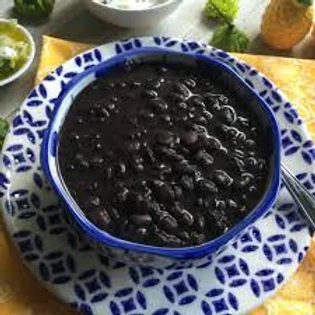
There are all kinds of benefits to adding beans of any kind to any diet, and black beans, which have been a stable for thousands of years, can be prepared in many ways. Also called turtle beans or frijoles negros, they’re mild, a bit sweet, and are loaded with lots of nutrients and little fat and sugar.


That makes them great for all kinds of good things for your body, but pretty outstanding for protection against AMD as well as cataracts. That’s because of all the antioxidants in beans, things like fiber, protein and carbohydrates.


They are also filled with a high amount of Vitamin C especially black beans, and that’s a vitamin that many say may slow growth in cataracts already present, or may even delay an immediate need for surgery.

At any rate, we also know that tomatoes are great for vision, and cilantro is loaded with Vitamin A. Corn has plenty of lutein and zeaxanthin as do all those other yellow and orange veggies and fruits, and both are wonderful health aids for this very important sensory organ.

So let’s combine all of them in a quick and easy to make salad that will make you think you’re in the southwest United States.


Corn and Black Bean Salad

Chop a handful of cilantro, or about a .5 oz package from the market. Halve 1 pint of cherry tomatoes, and drain and rinse 2 cans of corn (15 oz size.) Mix in two of the same size two cans of black beans, and about a tablespoon of chili powder. Mi them all together and that’s it! An easy salad as a side dish or serve with some Nachos for scooping and enjoy as an appetizer or hors d’ oeuvre.


If you’re more in tune with thinking Greek, here’s another possibility for a quick salad.


Greek Salad with Cucumber


Cut 4 plum tomatoes into wedges, slice 1 cucumber in half lengthwise, cut into 1/2 inch chunks. Add 1 cup or feta cheese cut into chunks, and if you want, a 3 oz jar of capers, drained. Mix then all together, and toss with a ¼ cup Greek dressing. Sprinkle some feta on top and enjoy.

Eat, Grin, and Feel Guilty (just a little)

0

It’s important to do things that make you happy, cause you to grin a bit during the day, or just make you want to sit down and giggle out loud for a minute or two.


Aging Macula Degeneration is a disease that can just as easily cause depression and anger, if you let it, so keeping happy things a part of your life is enriching.

That being said, just for fun, try a banana split for breakfast! One that is truly good for the eyes, quick and easy to make, and should leave you with a big grin on your face!


Spite 1 banana in half lengthwise. Place on plate cut side up.

Grate an ounce of dark chocolate and sprinkle on top.

Spoon over that 3 to 4 tablespoons Greek yogurt

Sprinkle with 1 /4 cup granola or chopped walnuts. (or a mixture!)


That’s it! Eat and Grin!


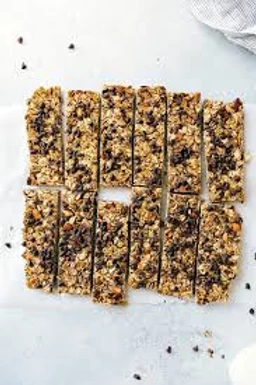
If you like making your own granola bars, here’s a recipe for chewy bars that will make 24 pieces.


Chewy Granola Bars


4 Cups quick oats, uncooked


1 ½ cups walnuts

3/4 Cup butter, softened


½ cup honey


1 tsp./ vanilla


¼ tsp salt (if you must! Fine without it.)

Preheat over to 375 degrees and grease 9X13” pan.


Mix all ingredients together, pour into pan.


Bake 12-15 minutes, until browned


Cool completely before slicing and enjoying!.

Be On The Cutting Edge

0

For all of my friends who are learning to cope so well with aging macular degeneration and other eye diseases, I have just learned yet another way we can all help those who are striving so hard to cope with new problems.


As many of you have noted in previous e-mails to me, I have found it especially helpful in dealing with the trauma of losing eyesight to be positive and upbeat. Somehow it truly makes me feel better to try to make others feel better, either by giving them hope, ideas, or finding ways that they, too, can help others.

I just found not only a great way to help others, be an “influencer” in this community, be at the forefront of treatment, AND receive some monetary compensation for it at the same time.

I received a message from a really great guy, Douglas Lowell, who is president of Find a Cure Panel and another company, Sample Czar. Mr. Lowell told me about a panel discussion that’s coming up, and asked me to participate in it. Since it’s done by phone with me in the comfort of my own home, at a specific time that’s helpful and convenient for me, I said sure I’d be happy to do it.


So I’m going to be on a panel on Oct. 8 and I’m inviting you to join me as well.

It’s for patient research for Wet AMD. Hey, there’s a great idea in the first place. Surgeons are wonderful, ophthalmologists are truly special, but if you want real research, isn’t it best to hear from the afflicted person as well?

The Find A Cure Panel specializes in patient research for rare and serious diseases and now has some new patient research going on for wet AMD. If you want to help, and if you live in the United States, are at least 60 years old (don’t you love it when you finally have a company that wants to hear from senior citizens???) and your experience with eye injections is recent, you can give him a call and sign up.


Since it is a panel discussion for Find a Cure, you also can not have a vision monitoring app on your phone.

This discussion is quick and easy. One call, about one hour, with one moderator and you talking about your experience and interest in new treatment and new technologies for Wet AMD.


If you’re interested, call, make the appointment and participate, are you ready????? the Find a Cure Panel company will actually pay you $200!!!! What could be better? Helping others and getting paid for it as well. Even if you don’t want the $200, and don’t want to keep it accept it anyway, and make a donation to a help source of your choice for someone with AMD.


If you’re interested in participating, please contact FACP at info@findacurepanel.com and reference FACP/WetAMD1021.


You have to hurry, there are only a few opportunities available for this research panel


AMD isn’t easy, as we all know. But helping someone else who has it is.

Eat Beans for Eye & Overall Health

0

MANALAPAN – Beans, be they red, brown, black or yellow. Probably one of the most versatile of vegetables, and powerful as well. Sharese Porter, PhD, MPH, CHES, and senior program coordinator supervisor for the Rutgers Cooperative Extension of Burlington and Monmouth counties is presenting a morning program on the Power of the Bean Tuesday, Sept. 28 at 10:30 a.m.

The program is presented by the Monmouth County Library, and will be available on Zoom at no cost. Registration and internet access are required and registration must be completed by noon Monday, Sept. 27. Registration is available at www.MonmouthCountyLib.org on the Upcoming Events list. Information on access will be e-mailed to each registrant between 3 and 4 p.m. Monday.

Porter will highlight how beans can be included in a dish or served as a filling and nutritious meal on their own. She will also explain the numerous healthy benefits of this protein rich vegetable and offer stories on how it is included in cultures around the world.

Lettuce Soup … I Would Have Never Thought About It

0

With a great supply of lettuce, thanks to very generous and bountiful farmer friends, I wanted to do something with an overabundance of lettuce, one of those green vegetables of great for AMD and other eye diseases. I came up with a recipe for Lettuce Soup that is also an open invitation to your own creativity and personal likes.

The basic recipe, 4 servings, is:

1 cup chopped onions

2 garlic cloves, chopped

3 tablespoons unsalted butter

3/4 teaspoon ground coriander

3/4 teaspoon salt

1/4 teaspoon black pepper

3/4 cup diced (1/3 inch) peeled potato

8 cups coarsely chopped lettuce leaves including ribs

3 cups water


Cook onion and garlic in 2 tablespoons butter in a heavy pot over moderately low heat, stirring, until softened, 3 to 5 minutes.


Add coriander, salt, and pepper and cook, stirring, another minute or so.


Stir in potato, lettuce, and water and bring to a boil, then reduce heat and simmer, covered, until potato is very tender, about 10 minutes.


Let it cool a bit for easier blending, then purée soup in batches in a blender. Put back into 2- to 3-quart saucepan. Bring to a simmer, whisk in remaining tablespoon butter and salt and pepper to taste.


Now that’s the main recipe and a great way to use up those outer lettuce leaves and ribs you sometimes simply toss out.


Pureeing works wonders!

It’s versatile! Here some ideas you can also try, depending on your personal likes:


Substitute chicken broth or vegetable broth for water.


Use whatever lettuce or greens you have in plenty…this works with arugula, spinach, watercress and all kinds of lettuce. The soup comes out a creamy, delightful green.


Have fun with the herbs! Try rosemary, cilantro, thyme or basil.

Seeing Red … Green, Blue, Yellow and Orange

0

Think red, green, blue, yellow and orange. Add fish from cold waters nuts and eggs. Maybe some lean red meat and poultry.

That’s the best and easiest way to know which foods are particularly good for eyesight and good healthy eye care.

I’ve learned a lot more about food since having aging macular degeneration. In addition to taking AREDS2, I’ve also changed my diet considerably, with an accent on the reds, greens, blues, yellow and orange colored fruits and vegetables.


At the same time, I have had 11 injections, each four weeks apart. To the shock of the ophthalmologist who is so excellent and knowledgeable about his specialty, as well as to myself, my eyesight has not gotten any worse.


In fact, the doctor, who had told me in the very beginning he was just hopeful of preventing my condition from getting any worse but believing it was too far advanced for him to do anything to improve it, it really seems to be to be somewhat less pronounced.


Either that, or I’m getting used to a new way of seeing the world. But the doctor’s inspections also show a slight improvement.

All of which begs the question: is it because of the Eleya injections and a wonderful ophthalmologist or is my change of diet helping?

As curious as I am about almost everything, the answer to my own question is not important to me. I don’t want to stop either process, the injections or the diet, to find out which it is. I’m quite comfortable right now knowing things aren’t as bad as they were, they haven’t gotten any worse.


If it’s one or the other doesn’t make any difference. I’m continuing on both.

Which brings me to exactly which foods are best? It’s easy to say fruits and vegetables, lots of cold water fish and nuts of all kinds, and yes, lean beef as well. Pretty much runs the gamut.


But the other good news is, the same diet that helps your eyes is the one that also helps your heart, as well as the rest of your body. The reason the same foods help your eyes and heart is because your eyes depend on those little arteries for their supply of oxygen and nutrients in the same way the heart depends on much larger arteries for the same thing.


Last year, 2020, was The Year of the Eye. To celebrate it, the American Academy of Ophthalmology made a lists of the top 20 vision-healthy foods. If they list them by color, the orange fruits and vegetables are loaded with vitamin A, probably the best known eye-healthy nutrient of all. It’s the one that helps your retina turn those light rays into images we can see.


It also keeps the eye moist so there’s no dry eye problem. So think carrots, sweet potatoes, cantaloupe, apricots.


Included among the good yellow things to eat, there are tangerines and oranges, lemons and grapefruit, along with peaches. All are full of Vitamin C, an antioxidant that protects the body from damage from all the bad things we eat and enjoy like fried foods and even tobacco smoke and other things in the environment.

Think red and you come up with beets and apples, tomatoes and strawberries, along with red peppers. All are antioxidant filled so could delay AMD as well as cataracts. Blues are all those luscious berries, especially blueberries, the best of all..

Green of course is the big, wonderful color that’s filled with Vitamin E, that antioxidant that helps keep cells healthy. Think of all the varieties of lettuce, the greener the better, avocado, broccoli, turnip and radish greens, peas, collards, kale, spinach and string beans. These are all particularly great for the macula, that tissue behind the eye that gives us our detailed vision. Eggs are not green except for Dr. Spock’s with his ham, but they’re also full of the lutein and zeaxanthin antioxidants particularly great for the macula.

So they are the colors. Add cold water fish, like sardines and tuna, halibut and trout. Perhaps oysters for a treat.. Or some poultry of any kind. But especially chicken. Try lots of almonds or walnuts, even sunflower seeds, and then think about some foods that will ensure you have enough of the mineral zinc in your body. Zinc seems to help keep the eyes from damage from light. But too much zinc can take away from the copper in your body which you really do need for all those red blood cells. So it’s best to take both, and that can be found in black-eyed peas, kidney and lima beans and pretty much any other kind of bean.

Keeping or improving eyesight makes your view of the world come out in so much more beautiful color!. Use color to protect your vision.

11th Injection & Cranberries

0

Hard to believe, but I am actually looking forward to my 11th eye injection that is keeping my aging macular degeneration at bay. It’s my guess once again, before I step into the ophthalmologist’s office and get the scientific results from all the tests and wisdom of my doctor. But I certainly seems I am not seeing any worse than I did four weeks ago. And I also want to ask him about the night vision glasses my thoughtful son-in-law purchased for me. Not for after dark, but to use instead of sunglasses. They worked wonders for me to my great surprise, but before I wholeheartedly recommend others try them, I want to ask my eye surgeon what he thinks of them to be certain I’m not causing any other problems by wearing them when I’m out in daylight.

I think it’s important to have confidence in your surgeon if you’re trusting him to inject a needle in your eye. I don’t care if he’s personable and a conversationalist, though mine is; I simply want him to have a steady hand and know exactly what he’s doing. I am definitely remembering this month that I cannot talk to him while he’s prepping me for the injection since moving my facial muscles affects the muscles around my eye as well and can cause a problem. He was polite, kind and courteous, but quite firm when he told me that last month. I guess I shouldn’t feel as relaxed and confident as I do.

So I’m celebrating this next injection, celebrating the fact my eyesight is not getting any worse and is even getting slightly better. That’s a wonderful, almost miraculous achievement because I had been advised at the very beginning that since my AMD came on so quickly and was so severe, the doctor’s only real hope was that he could arrest further progress. Yet it has improved some over the months. All of that is cause enough for great celebration. What better way to do it than with a shiny, happy looking little red berry that can be enjoyed in so many different ways and help so many parts of the body at the same time. But best for eye health!

Some people call it a magical fruit. Some people only associate it with Christmas and think of it as festive. Others look at it as an anti-aging medication because eating them on a regular frequent basis can slow down the aging process. We in New Jersey think it’s a great product to grow, given all our bogs in south Jersey and the fact we’re first or second in the nation…depending on who’s doing the research…on growing them.

All of this is true, but the really important thing is: cranberries are great for eyesight. That’s because it is a little berry, a cousin of the blueberry, that is cram pack full of antioxidants, primarily Vitamin C. That’s what helps keep the collagen in your cornea healthy. It’s also been known to reduce the risk of AMD as well as cataracts.

Cranberry juice is great to drink and has all the antioxidants and vitamins as the dried little berry. Fresh, the tiny little red berry is shiny and pretty, but rather sour to the taste. Maybe that’s because of all the iron, calcium and potassium along with Vitamin B it packs into it along with all that Vitamin C.

But loaded with all those good things, it’s even good for so much more than the eyes, so you really can’t go wrong trying some recipes, eating them by the handful, mixing them in your oatmeal or fruit salads, or even in lettuce and tomato salads.

For instance, cranberries have great therapeutic impacts on skin. It’s packed with all those things that help form collagen, the thing that keeps skin soft and youthful looking. It’s a real boon for oily skin and acne, what with all those antiseptic properties packed into the little red beauties. Cranberry juice can be used as a face mask by taking some orange peel, a teaspoon or so of honey, and some cranberry juice, mixing them all together in a blender and applying to the face for 20 minutes or so before washing clear again. Or make a pulp of cranberries, and smear it on your face, put a towel over your head and breathe in the steam from a tea kettle for a facial steam. Great for the skin, be sure you keep it out of your eyes though, it’s only good for the eyes when taken internally.

Eating cranberries helps oral hygiene by helping treat plaque formatting and gum disease. Among some of their other benefits are helping prevent kidney stones, keeping the heart in good shape even if one doesn’t exercise much, and helping lower cholesterol. With little caloric content, of course it’s great for weight loss and helps metabolism and digestion. Many say it helps fight infection, and even helps treat dandruff and other scalp problems. Try applying some cranberry juice on your scalp for a while before showering and shampooing and see if that helps cut dandruff over time.

Whether it’s all fact hasn’t been scientifically declared officially yet, but what matter? Cranberries are a tough little fruit loaded with antioxidants that help the eyes, and by the way, are known to be pretty terrific for other parts of the body as well.

I found a great easy recipe for Cranberry Power Bites on a big bag of Ocean Spray dried cranberries I picked up and think it’s worth sharing for its easy to make and is fun to nibble on: Here it is:

2 Cups old-fashioned oats

1 Cup dried cranberries

1 Cup nut butter (or any plain or flavored kind)

½ Cup white chocolate chips (even regular chocolate will do, just not as pretty)

1 C coconut flakes

2 t. vanilla extract

2/3 Cup honey (the perfect food, never goes bad!)

½ T. Salt (which I always omit)

Put them all together in a big bowl, mix really well. With a tablespoon, scoop it all out and roll into a big ball. Moisten your hands maybe with a bit of that butter, melted, or some orange juice, and form little balls. That’s it! I chill it in the refrigerator to make it firmer and there you have it!. Easier than baked cookies!

Recipes with Kale

0

I love Saturdays down the Jersey Shore … anytime, but between now and just before Thanksgiving, there are many towns that have farmer’s markets where farmers and their families…farming is truly a family business…bring their wonderful colorful displays of fresh fruits and vegetables.


My favorite is the Farmer’s Market in Highlands where I can stock up on the end of summer’s bounty while at the same time get the first gourds and squash of the fall season.

I spend a couple of hours washing them all, separating the radish from their leaves so I can use the leaves in a vegetable stock, cutting up the celery and saving the tough bottoms and leafy ends for that same stock, slicing some celery into strips and storing it upright in water so I have an easy healthy snack …have I mentioned before that celery is the only food that is not only non-caloric but negative caloric???


It burns energy to chew celery, so it even burns a calorie or two while you’re eating it!


The cucumbers I simply wash and keep in the refrigerator for easy slicing as needed, the radish I wash , trim and pop into a container, again for a quick and easy snack, and the lettuce I take off the outer leaves, again for that stock and wrap in damp paper towels ready for salad making.


If I need onions, I chop some of them as well along with string beans I save to put in the stock after I’ve strained the other veggies out. The soup-making veggies I put in the pot with water, some garlic, a sliced apple (for a bit of sweetness) and perhaps a sweet potato for sweetness and a bit of thickener, and let it brew for a couple of hours.


After I strain it, I either mince up the veggies, toss in the string beans and pour them back in the stock, or simply freeze the stock for future use. If there’s leftover chicken or beef or pork one night, the stock’s already ready for a meat soup with perhaps rice or pasta in it.

If I have kale, there are a couple of smoothies that make great use and a delicious drink out of this vegetable loaded with carotenoids. Here are a couple of great ones in “Eat Right for Your Sight “, a wonderful recipe book put out by the Macular Degeneration Foundation, who are doing great things for promotion of all causes that help macular victims get some pretty terrific information and help.


Kale and Pomegranate Smoothie

1 banana

2 kale leaves, no stems

1 C blueberries

2 C pomegranate juice

1 T lime juice.

Toss them all in the blender, puree until smooth, chill and serve. Makes 2 Cups, has lots of Vitamins A C and E, along with zinc and beta carotene.


Kale Banana Smoothie

1 C. chopped kale

1 stalk of celery, chopped

1 banana

½ C apple juice

¼ cup water

½ cup ice

1 T. lime juice

1 t. wheat germ, ground flaxseed or oat bran.


Toss it all in the blender until smooth, chill and serve. Makes 2 Cups