Perhaps all the fear, changes of plans, moving of vehicles, and wet basements, streets, and businesses due to high water will be enough to encourage local residents to let local government council and planning board members know they are helping make flooding happen.
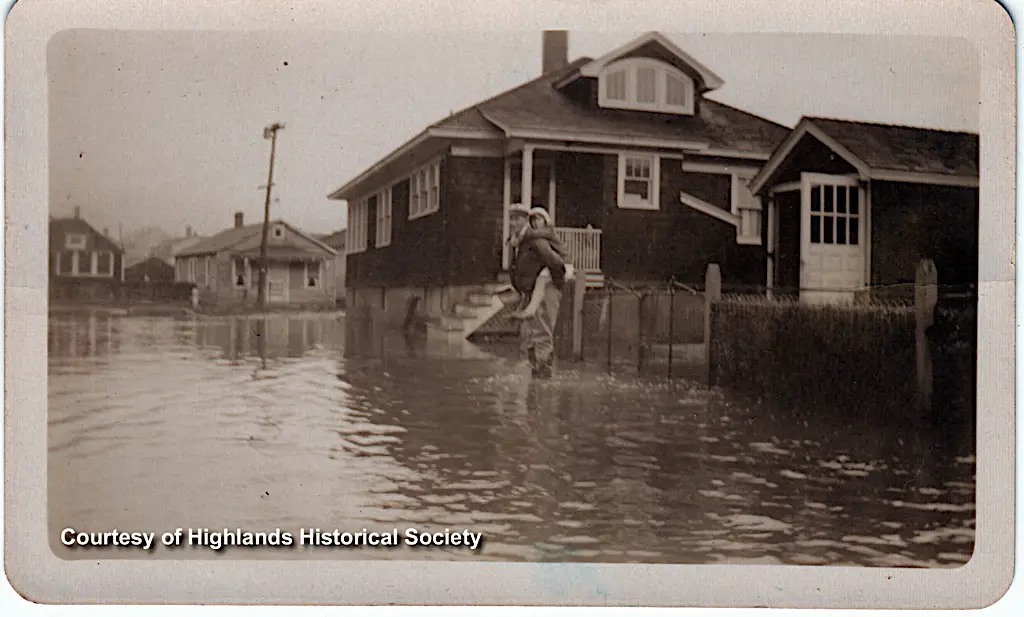
Living at the Bayshore should alert people to the news that the beauty and joy of it comes with the warning that yes, the water gets high.
But for those who have lived her for decades or more, they can remember it never happened quite as often as it is now. People talk about the storm of ’44, or hurricanes Carol and Donna in the middle part of the 20th century as the major impacts that caused severe flooding. Residents in those times barely remember every time the water came up at high tide and a full moon since it was never so bad and all knew it would go down before the next high tide. It was just the major storms, and then neighbors came out to help neighbors after all had moved their cars to higher ground.
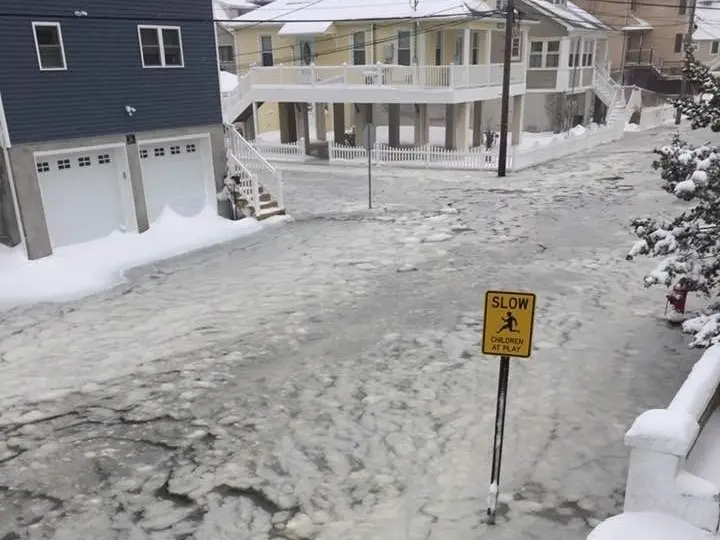
There are more reasons now why the water comes up, remains high, and perhaps has not all returned to normal before the next high tide. But clearly one of them is our own fault.
We are covering up more of the greenery, open space and mild stone land cover that in the past has served as means for the water to seek its level at or below ground level before flooding bigger and higher areas.
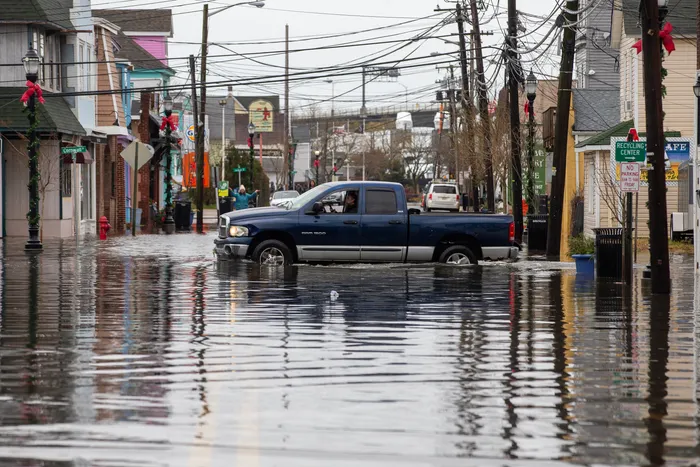
The amount of new construction, the raising of homes from previous high waters, especially Hurricane Sandy, and the determination to cover over yet more ground with layers of concrete, pavement and structures has made it more difficult for water to find a level before it fills the streets.
Hurricane Sandy devastated the area and many people who had owned homes through many other storms opted to sell them rather than build up. Yet others raised their homes, a demand of insurance companies. But that meant different foundations, more concrete, and the addition of paved driveways and garages. So flooding came a little earlier, in less horrific storms. For the most part, it could not be avoided.
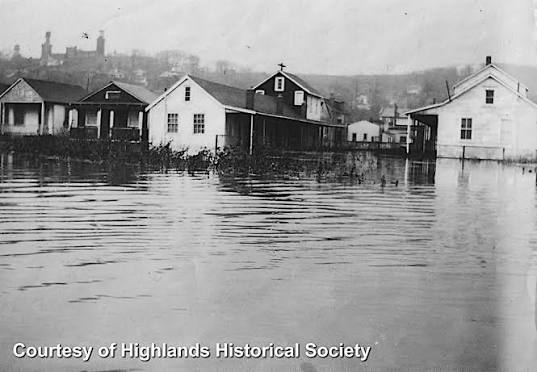
But planning boards granting variances to allow properties to be subdivided, and more homes built on smaller pieces of property could be avoided. So could the construction of high rise apartments and condominiums. They all require less open space , more concrete, and therefore fewer ways for water to seek its natural level.
Every town in the Bayshore has a Master Plan. Every town has a Planning Board designed to help residents find ways to get around that Master Plan and build the business or home of their choice. And every town indeed helps newcomers to break the law that made the town the cozy, neat little place it was.
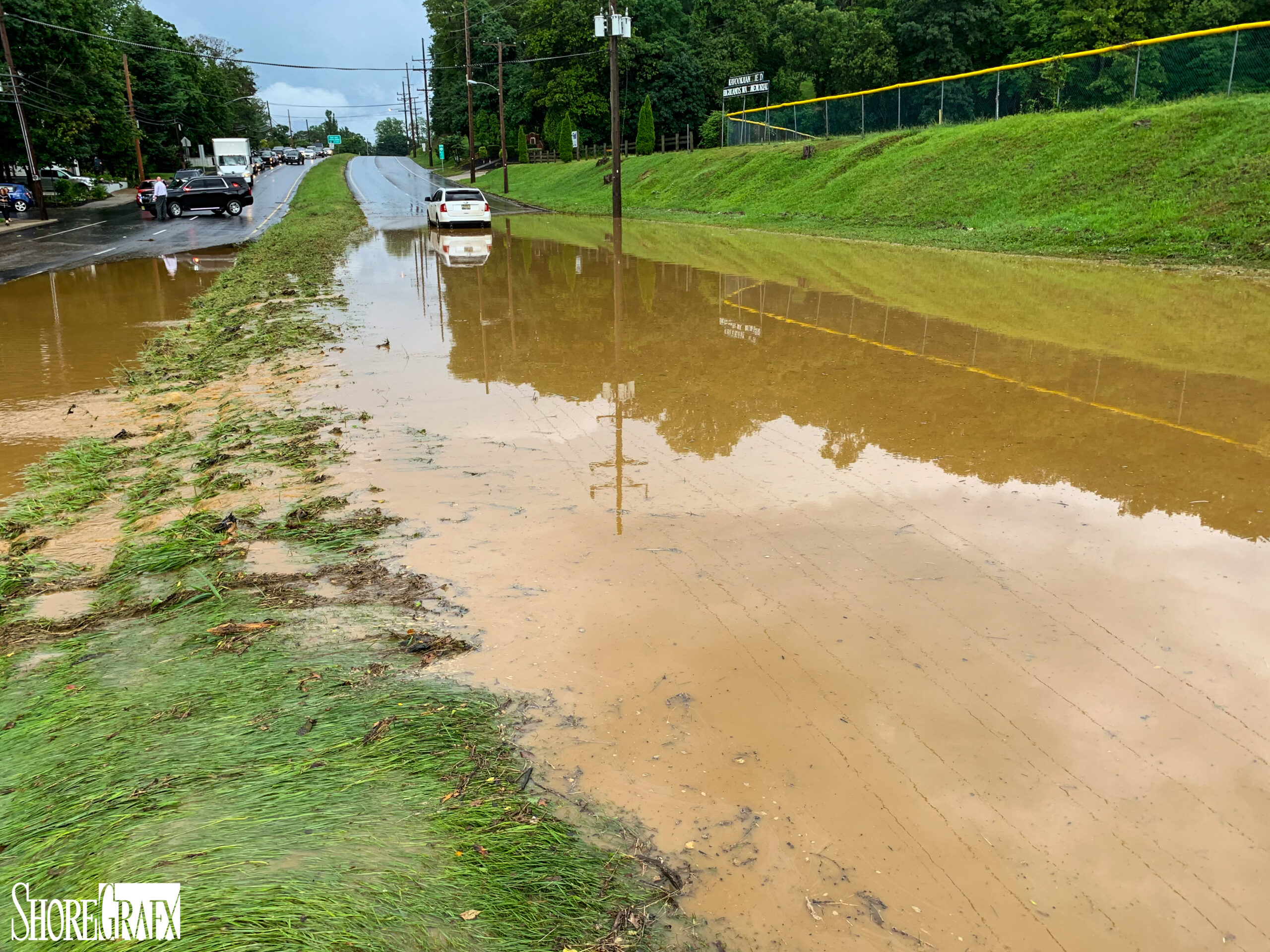
Perhaps there is a way to determine exactly how much open ground space a town should have, given its proximity to water and its low-lying areas to begin with. Perhaps that should be taken into consideration in every Master Plan … and then perhaps every planning board should be a lot more forceful with a standard “NO, it’s against the law” rather than an all out effort to let someone, especially someone who simply buys property for his own financial gain, and with full knowledge of the law, then get all the permits necessary to ensure his investment remains worthwhile to him, not the residents who have been paying taxes for years.