The Knights of Columbus, both the Bishop McFaul General Assembly and the Reverend Joseph Donnelly Council at Our Lady of Perpetual Help Church, honored veterans at the November Commemoration Breakfast the Knights held Sunday at Our Lady of Perpetual Help school hall, Miller St.
In honoring all veterans and citing the importance of November 11 and Veterans Day, Council Grand Knight Mike Napolitano cited willingness of generations of men and women who served in the nation’s Armed Forces in putting country before self, citing how patriots serve for the greater good without seeking glory, recognition or personal gain. The Grand Knight said the council joins with the VFW in honoring “ the contributions of the nearly 22 million veterans living today, and all those who made the ultimate sacrifice in the name of liberty and justice.”
Napolitano continued that “the debt owed to the defenders of this great nation is ever-present and it is imperative that on this Veterans Day, we take the opportunity to keep alive the memories, sacrifices and accomplishments of our nation’s veterans.” He noted that while veterans should be honored., Veterans day is also a day for “for all Americans because every citizen has a role to play in carrying the legacy and burden of freedom. “
Napolitano continued that the Council thanks “every Soldier, Sailor, Marine, Airman and Coast Guardsman for their service. We ask all Americans to say a prayer of thanks for those who are serving far away from family and friends. “
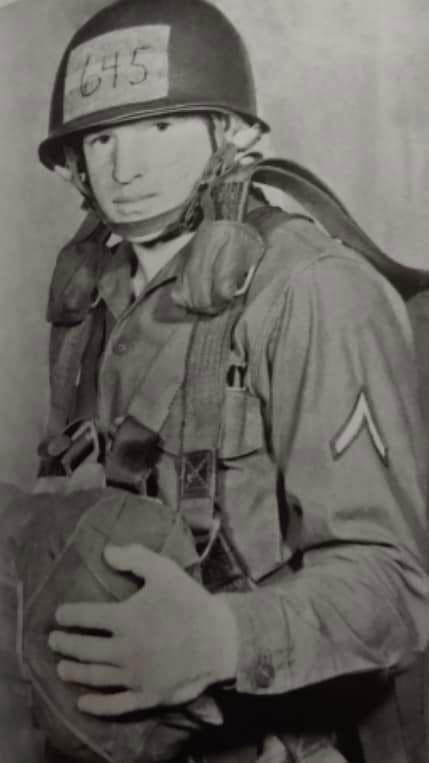
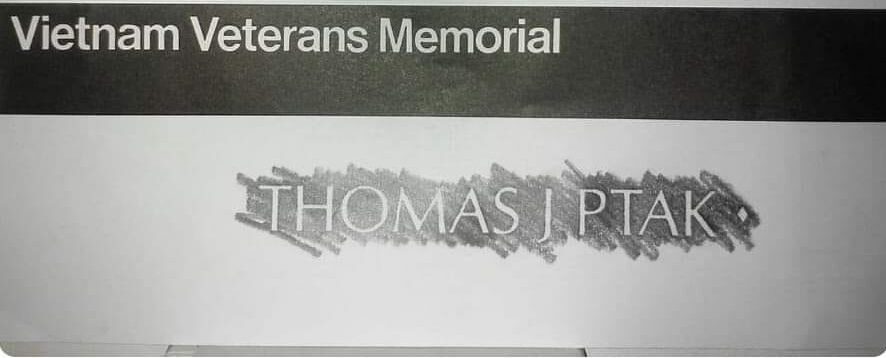
John Hyes, Faithful Navigator of the Bishop McFaul Assembly 646, also spoke at the Breakfast, thanking Napolitanp and the council for hosting the Veterans Day Breakfast “and bringing us together in fellowship to honor our veterans.” Seeing the Knights and their families gathering for the breakfast, Hays said it reminded him of the unique duty all share following the Knights’ four principles of charity, unity, fellowship and patriotism, He noted the 4th Degree focuses heavily on the patriotic degree and is visible in uniform showing love of country and honor to those who serve it at religious and civic events, “serving as a visible reminder of our loyalty to both Faith and Nation.”
Hayes took the opportunity to invite all knights in the Third Degree to also join the Assembly “as a powerful way to deepen your faith, stand up for religious liberty and proudly champion the virtues of patriotism.”



Knights Knights Knights Knights Knights Knights Knights Knights Knights
Call me Ishmael. Some years ago—never mind how long precisely—having little or no money in my purse, and nothing particular to interest me on shore, I thought I would sail about a little and see the watery part of the world. It is a way I have of driving off the spleen and regulating the circulation. Whenever I find myself growing grim about the mouth; whenever it is a damp, drizzly November in my soul; whenever I find myself involuntarily pausing before coffin warehouses, and bringing up the rear of every funeral I meet; and especially whenever my hypos get such an upper hand of me, that it requires a strong moral principle to prevent me from deliberately stepping into the street, and methodically knocking people’s hats off—then, I account it high time to get to sea as soon as I can.
This is my substitute for pistol and ball. With a philosophical flourish Cato throws himself upon his sword; I quietly take to the ship. There is nothing surprising in this. If they but knew it, almost all men in their degree, some time or other, cherish very nearly the same feelings towards the ocean with me. There now is your insular city of the Manhattoes, belted round by wharves as Indian isles by coral reefs—commerce surrounds it with her surf. Right and left, the streets take you waterward. Its extreme downtown is the battery, where that noble mole is washed by waves, and cooled by breezes, which a few hours previous were out of sight of land. Look at the crowds of water-gazers there. Circumambulate the city of a dreamy Sabbath afternoon.
Go from Corlears Hook to Coenties Slip, and from thence, by Whitehall, northward. What do you see?—Posted like silent sentinels all around the town, stand thousands upon thousands of mortal men fixed in ocean reveries. Some leaning against the spiles; some seated upon the pier-heads; some looking over the bulwarks of ships from China; some high aloft in the rigging, as if striving to get a still better seaward peep. But these are all landsmen; of week days pent up in lath and plaster—tied to counters, nailed to benches, clinched to desks. How then is this? Are the green fields gone?
What do they here? But look! here come more crowds, pacing straight for the water, and seemingly bound for a dive. Strange! Nothing will content them but the extremest limit of the land; loitering under the shady lee of yonder warehouses will not suffice. No. They must get just as nigh the water as they possibly can without falling in. And there they stand—miles of them—leagues. Inlanders all, they come from lanes and alleys, streets and avenues—north, east, south, and west. Yet here they all unite. Tell me, does the magnetic virtue of the needles of the compasses of all those ships attract them thither?
What do they here? But look! here come more crowds, pacing straight for the water, and seemingly bound for a dive. Strange! Nothing will content them but the extremest limit of the land; loitering under the shady lee of yonder warehouses will not suffice. No. They must get just as nigh the water as they possibly can without falling in. And there they stand—miles of them—leagues. Inlanders all, they come from lanes and alleys, streets and avenues—north, east, south, and west. Yet here they all unite. Tell me, does the magnetic virtue of the needles of the compasses of all those ships attract them thither?

