The Atlantic Highlands First Aid & Safety Squad (AHFAS) has launched its annual request for donations as well as an invitation to all local residents to look into other ways in which they can help the non-profit volunteer group.
In a letter addressed to all local residents, squad members noted the volunteer group has served the community since 1929, always as a volunteer unit and always responding to all 911 medical emergencies both on land and on the water, “providing critical care when it’s needed most.”
In their annual appeal, they explained it is necessary to seek financial support to fund the cost of lifesaving tools, training and equipment necessary to enable them to respond to emergencies and continue their commitment to serve local residents.
Giving ideas of how residents can support the squad’s mission, the letter noted donations that responses to the appeal as well as inclusion in a planned gift or family trust are only two methods of assisting financially. Residents can also participate in their own company’s matching core corporate giving programs, or simply send a check to the Squad at 10 E. Highland Avenue, Atlantic Highlands, NJ 07716.
Persons wishing to know more means of assisting can visit the squad website at www.ahfirstaid.org,, or call 732-291-8118. Interested persons can also contact the squad secretary at Astolte@ahfirstaid.org.
Squad squad squad squad WaxSquad squad squad squadSquad squad squad squad WaxSquad squad squad squadSquad squad squad squad WaxSquad squad squad squadSquad squad squad squad WaxSquad squad squad squad WaxWaxWaxWaxWaxWaxWaxWaxWaxWaxWaxWaxWaxWaxWaxWaxWaxWaxWaxWaxWaxWaxWaxWaxWaxWaxWaxWaxWaxWaxWaxWaxWaxWaxWaxEco-festEco-festEco-festEco-festEco-festEco-festEco-festEco-fest Eco-festEco-festEco-festEco-festEco-festEco-festEco-festEco-fest CHAPTER 1 LOOMINGS. Call Me Ishmael. Some years ago—never mind how long precisely—having little or no money in my purse, and nothing particular to interest me on shore, I thought I would sail about a little and see the watery part of the world. It is a way I have of driving off the spleen, and regulating the circulation. Whenever I find myself growing grim about the mouth; whenever it is a damp, drizzly November in my soul; whenever I find myself involuntarily pausing before coffin warehouses, and bringing up the rear of every funeral I meet; and especially whenever my hypos get such an upper hand of me, that it requires a strong moral principle to prevent me from deliberately stepping into the street, and methodically knocking people’s hats off—then, I account it high time to get to sea as soon as I can. This is my substitute for pistol and ball. With a philosophical flourish Cato throws himself upon his sword; I quietly take to the ship. There is nothing surprising in this. If they but knew it, almost all men in their degree, some time or other, cherish very nearly the same feelings towards the ocean with me. There now is your insular city of the Manhattoes, belted round by wharves as Indian isles by coral reefs—commerce surrounds it with her surf. Right and left, the streets take you waterward. Its extreme down-town is the Battery, where that noble mole is washed by waves, and cooled by breezes, which a few hours previous were out of sight of land. Look at the crowds of water-gazers there. Circumambulate the city of a dreamy Sabbath afternoon. Go from Corlears Hook to Coenties Slip, and from thence, by Whitehall, northward. What do you see?—Posted like silent sentinels all around the town, stand thousands upon thousands of mortal men fixed in ocean reveries. Some leaning against the spiles; some seated upon the pier-heads; some looking over the bulwarks of ships from China; some high aloft in the rigging, as if striving to get a still better seaward peep. But these are all landsmen; of week days pent up in lath and plaster—tied to counters, nailed to benches, clinched to desks. How then is this? Are the green fields gone? What do they here? CHAPTER 1 LOOMINGS. Call Me Ishmael. Some years ago—never mind how long precisely—having little or no money in my purse, and nothing particular to interest me on shore, I thought I would sail about a little and see the watery part of the world. It is a way I have of driving off the spleen, and regulating the circulation. Whenever I find myself growing grim about the mouth; whenever it is a damp, drizzly November in my soul; whenever I find myself involuntarily pausing before coffin warehouses, and bringing up the rear of every funeral I meet; and especially whenever my hypos get such an upper hand of me, that it requires a strong moral principle to prevent me from deliberately stepping into the street, and methodically knocking people’s hats off—then, I account it high time to get to sea as soon as I can. This is my substitute for pistol and ball. With a philosophical flourish Cato throws himself upon his sword; I quietly take to the ship. There is nothing surprising in this. If they but knew it, almost all men in their degree, some time or other, cherish very nearly the same feelings towards the ocean with me. There now is your insular city of the Manhattoes, belted round by wharves as Indian isles by coral reefs—commerce surrounds it with her surf. Right and left, the streets take you waterward. Its extreme down-town is the Battery, where that noble mole is washed by waves, and cooled by breezes, which a few hours previous were out of sight of land. Look at the crowds of water-gazers there. Circumambulate the city of a dreamy Sabbath afternoon. Go from Corlears Hook to Coenties Slip, and from thence, by Whitehall, northward. What do you see?—Posted like silent sentinels all around the town, stand thousands upon thousands of mortal men fixed in ocean reveries. Some leaning against the spiles; some seated upon the pier-heads; some looking over the bulwarks of ships from China; some high aloft in the rigging, as if striving to get a still better seaward peep. But these are all landsmen; of week days pent up in lath and plaster—tied to counters, nailed to benches, clinched to desks. How then is this? Are the green fields gone? What do they here? CHAPTER 1 LOOMINGS. Call Me Ishmael. Some years ago—never mind how long precisely—having little or no money in my purse, and nothing particular to interest me on shore, I thought I would sail about a little and see the watery part of the world. It is a way I have of driving off the spleen, and regulating the circulation. Whenever I find myself growing grim about the mouth; whenever it is a damp, drizzly November in my soul; whenever I find myself involuntarily pausing before coffin warehouses, and bringing up the rear of every funeral I meet; and especially whenever my hypos get such an upper hand of me, that it requires a strong moral principle to prevent me from deliberately stepping into the street, and methodically knocking people’s hats off—then, I account it high time to get to sea as soon as I can. This is my substitute for pistol and ball. With a philosophical flourish Cato throws himself upon his sword; I quietly take to the ship. There is nothing surprising in this. If they but knew it, almost all men in their degree, some time or other, cherish very nearly the same feelings towards the ocean with me. There now is your insular city of the Manhattoes, belted round by wharves as Indian isles by coral reefs—commerce surrounds it with her surf. Right and left, the streets take you waterward. Its extreme down-town is the Battery, where that noble mole is washed by waves, and cooled by breezes, which a few hours previous were out of sight of land. Look at the crowds of water-gazers there. Circumambulate the city of a dreamy Sabbath afternoon. Go from Corlears Hook to Coenties Slip, and from thence, by Whitehall, northward. What do you see?—Posted like silent sentinels all around the town, stand thousands upon thousands of mortal men fixed in ocean reveries. Some leaning against the spiles; some seated upon the pier-heads; some looking over the bulwarks of ships from China; some high aloft in the rigging, as if striving to get a still better seaward peep. But these are all landsmen; of week days pent up in lath and plaster—tied to counters, nailed to benches, clinched to desks. How then is this? Are the green fields gone? What do they here?
Eco-festEco-festEco-festEco-festEco-festEco-festEco-festEco-fest Eco-festEco-festEco-festEco-festEco-festEco-festEco-festEco-fest CHAPTER 1 LOOMINGS. Call Me Ishmael. Some years ago—never mind how long precisely—having little or no money in my purse, and nothing particular to interest me on shore, I thought I would sail about a little and see the watery part of the world. It is a way I have of driving off the spleen, and regulating the circulation. Whenever I find myself growing grim about the mouth; whenever it is a damp, drizzly November in my soul; whenever I find myself involuntarily pausing before coffin warehouses, and bringing up the rear of every funeral I meet; and especially whenever my hypos get such an upper hand of me, that it requires a strong moral principle to prevent me from deliberately stepping into the street, and methodically knocking people’s hats off—then, I account it high time to get to sea as soon as I can. This is my substitute for pistol and ball. With a philosophical flourish Cato throws himself upon his sword; I quietly take to the ship. There is nothing surprising in this. If they but knew it, almost all men in their degree, some time or other, cherish very nearly the same feelings towards the ocean with me. There now is your insular city of the Manhattoes, belted round by wharves as Indian isles by coral reefs—commerce surrounds it with her surf. Right and left, the streets take you waterward. Its extreme down-town is the Battery, where that noble mole is washed by waves, and cooled by breezes, which a few hours previous were out of sight of land. Look at the crowds of water-gazers there. Circumambulate the city of a dreamy Sabbath afternoon. Go from Corlears Hook to Coenties Slip, and from thence, by Whitehall, northward. What do you see?—Posted like silent sentinels all around the town, stand thousands upon thousands of mortal men fixed in ocean reveries. Some leaning against the spiles; some seated upon the pier-heads; some looking over the bulwarks of ships from China; some high aloft in the rigging, as if striving to get a still better seaward peep. But these are all landsmen; of week days pent up in lath and plaster—tied to counters, nailed to benches, clinched to desks. How then is this? Are the green fields gone? What do they here? CHAPTER 1 LOOMINGS. Call Me Ishmael. Some years ago—never mind how long precisely—having little or no money in my purse, and nothing particular to interest me on shore, I thought I would sail about a little and see the watery part of the world. It is a way I have of driving off the spleen, and regulating the circulation. Whenever I find myself growing grim about the mouth; whenever it is a damp, drizzly November in my soul; whenever I find myself involuntarily pausing before coffin warehouses, and bringing up the rear of every funeral I meet; and especially whenever my hypos get such an upper hand of me, that it requires a strong moral principle to prevent me from deliberately stepping into the street, and methodically knocking people’s hats off—then, I account it high time to get to sea as soon as I can. This is my substitute for pistol and ball. With a philosophical flourish Cato throws himself upon his sword; I quietly take to the ship. There is nothing surprising in this. If they but knew it, almost all men in their degree, some time or other, cherish very nearly the same feelings towards the ocean with me. There now is your insular city of the Manhattoes, belted round by wharves as Indian isles by coral reefs—commerce surrounds it with her surf. Right and left, the streets take you waterward. Its extreme down-town is the Battery, where that noble mole is washed by waves, and cooled by breezes, which a few hours previous were out of sight of land. Look at the crowds of water-gazers there. Circumambulate the city of a dreamy Sabbath afternoon. Go from Corlears Hook to Coenties Slip, and from thence, by Whitehall, northward. What do you see?—Posted like silent sentinels all around the town, stand thousands upon thousands of mortal men fixed in ocean reveries. Some leaning against the spiles; some seated upon the pier-heads; some looking over the bulwarks of ships from China; some high aloft in the rigging, as if striving to get a still better seaward peep. But these are all landsmen; of week days pent up in lath and plaster—tied to counters, nailed to benches, clinched to desks. How then is this? Are the green fields gone? What do they here? CHAPTER 1 LOOMINGS. Call Me Ishmael. Some years ago—never mind how long precisely—having little or no money in my purse, and nothing particular to interest me on shore, I thought I would sail about a little and see the watery part of the world. It is a way I have of driving off the spleen, and regulating the circulation. Whenever I find myself growing grim about the mouth; whenever it is a damp, drizzly November in my soul; whenever I find myself involuntarily pausing before coffin warehouses, and bringing up the rear of every funeral I meet; and especially whenever my hypos get such an upper hand of me, that it requires a strong moral principle to prevent me from deliberately stepping into the street, and methodically knocking people’s hats off—then, I account it high time to get to sea as soon as I can. This is my substitute for pistol and ball. With a philosophical flourish Cato throws himself upon his sword; I quietly take to the ship. There is nothing surprising in this. If they but knew it, almost all men in their degree, some time or other, cherish very nearly the same feelings towards the ocean with me. There now is your insular city of the Manhattoes, belted round by wharves as Indian isles by coral reefs—commerce surrounds it with her surf. Right and left, the streets take you waterward. Its extreme down-town is the Battery, where that noble mole is washed by waves, and cooled by breezes, which a few hours previous were out of sight of land. Look at the crowds of water-gazers there. Circumambulate the city of a dreamy Sabbath afternoon. Go from Corlears Hook to Coenties Slip, and from thence, by Whitehall, northward. What do you see?—Posted like silent sentinels all around the town, stand thousands upon thousands of mortal men fixed in ocean reveries. Some leaning against the spiles; some seated upon the pier-heads; some looking over the bulwarks of ships from China; some high aloft in the rigging, as if striving to get a still better seaward peep. But these are all landsmen; of week days pent up in lath and plaster—tied to counters, nailed to benches, clinched to desks. How then is this? Are the green fields gone? What do they here?
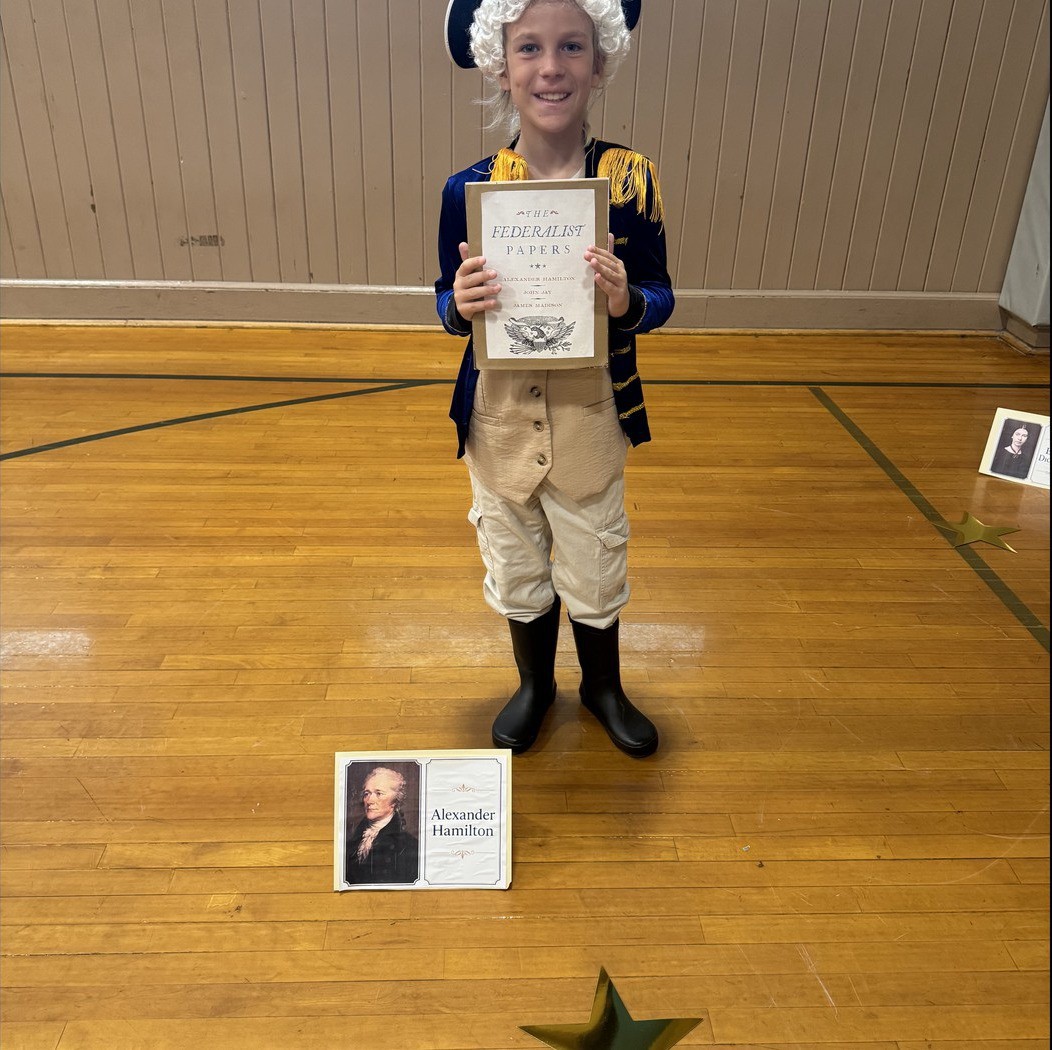
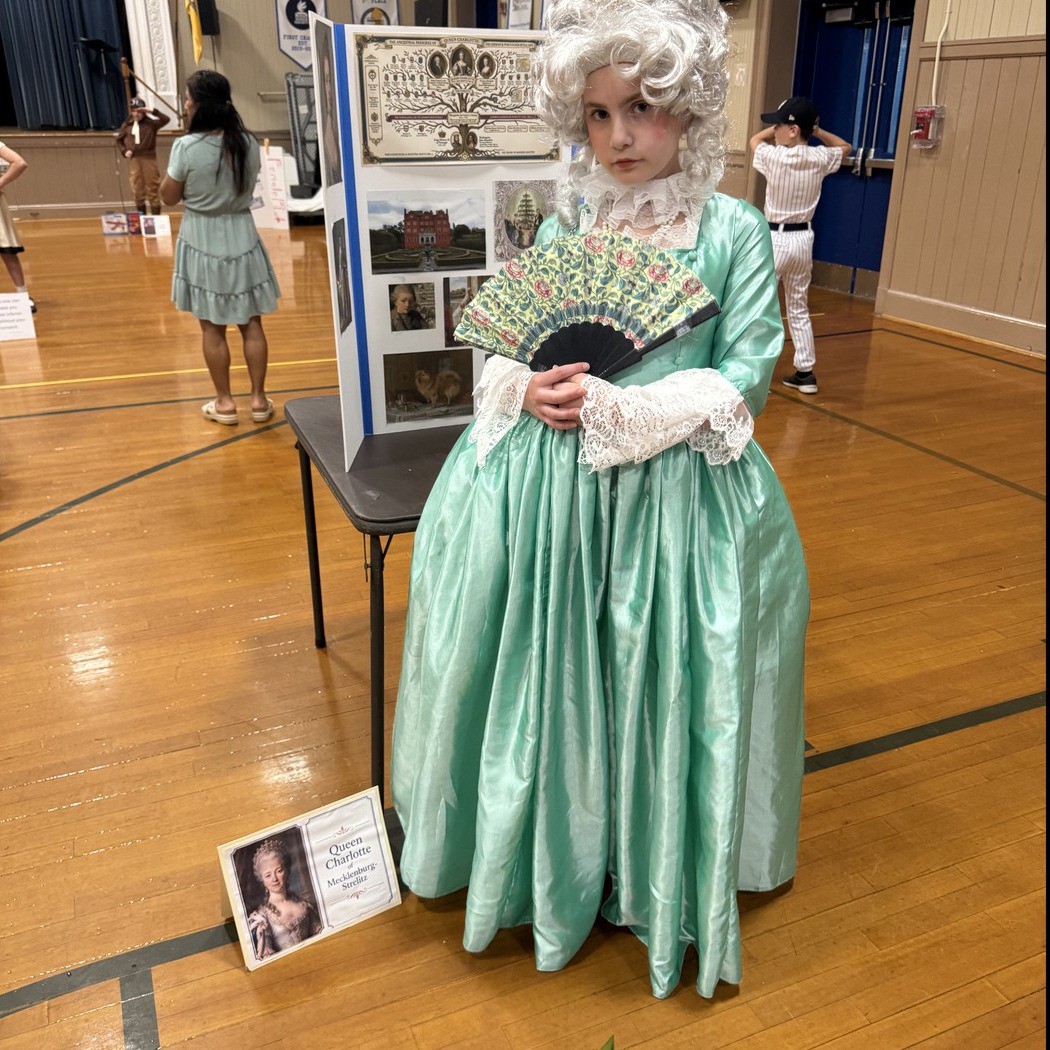
Amelia Earhart and Alexander Hamilton, Rosa Parks and Queen Charlotte, all came together in the fourth-grade class at the Atlantic Highlands Elementary School recently when the class staged a day long Wax Museum
Each of the students was tasked with coming to school prepared, dressed, and familiar with any person from history. In addition, each of the students spent the day as a statue in the museum, as students and guests visited the museums, hearing them tell their personal story and why they chose to present that particular person in the wax museum. Parents and friends were invited to the display, and all gave students resounding rounds of applause.
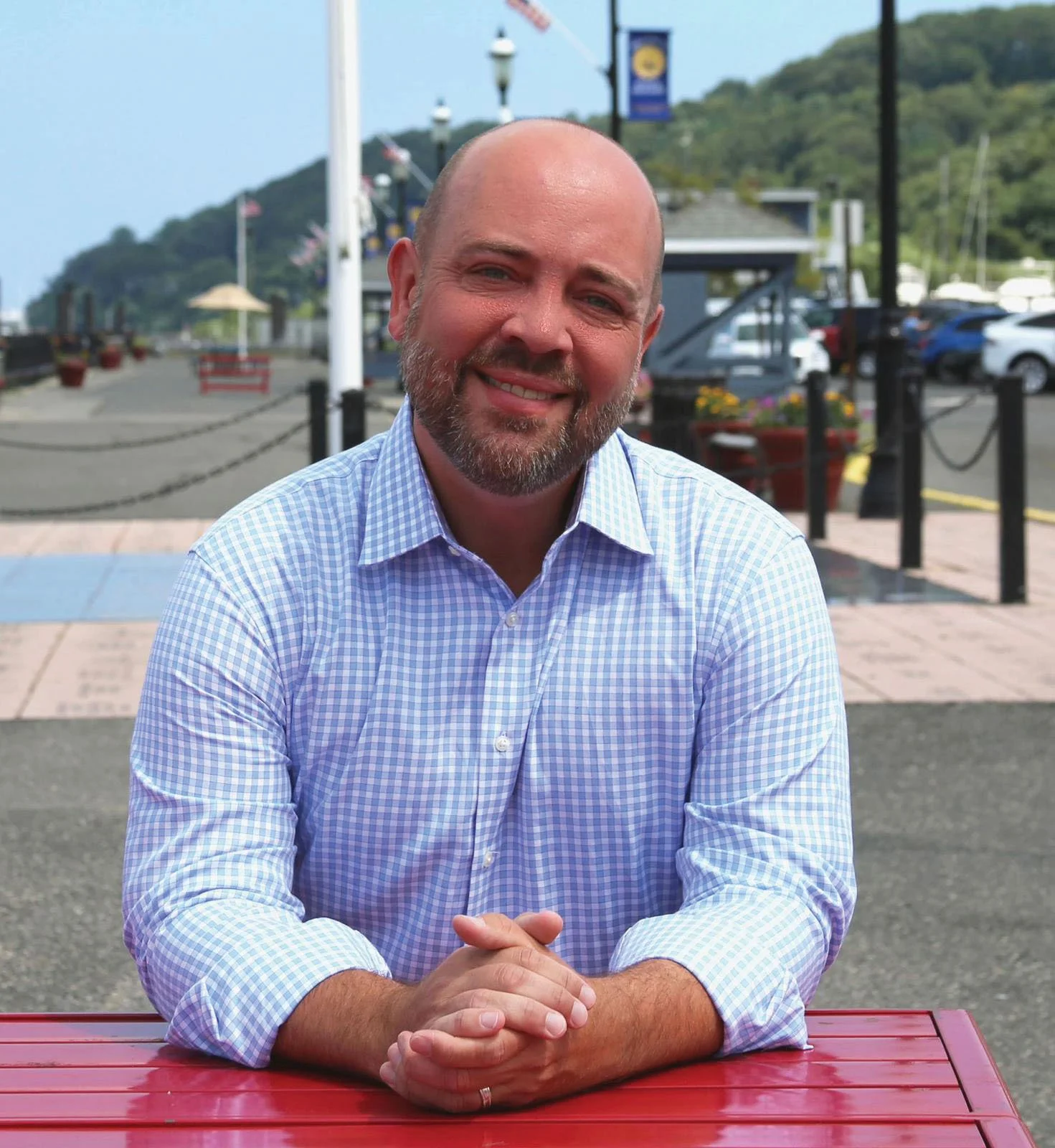
“It was simply amazing and wonderful to see how many different people were presented,” said Brian Dougherty, whose son portrayed Alexander Hamilton. “It was also incredible to see the amount of research each did for his project and how well each presented him for the class and guests throughout the day.
Atlantic Highlands Councilman Brian Dougherty
Dougherty, who is also a borough councilman, praised faculty and students at a recent council meeting citing the excellence of the presentations and creativity of the faculty who designed the program and have kept it ongoing for several years. Students in the fourth grade during Covid were not able to participate, he said, and noted that, especially after seeing his son as Hamilton this year, “it was disappointing for them as well as for parents.at that time.” The proud father’s only disappointment? As a professional opera singer himself, he tried to coax his son into beginning his presentation with a musical introduction from the popular play, Hamilton. However, the young actor chose to design and present his own presentation sans music!.
School Principal Michael Ferrarese said it had taken weeks of hard work and preparation, but students transformed into famous figures and shared their learning through first person scripts, creative costumes, and thoughtfully designed props. Throughout the all-day event, classes, teachers, and families visited the museum to hear students present and celebrate their efforts. “The students did a fantastic job demonstrating confidence, creativity, and dedication in this ongoing project. We are so proud of all their hard work and the wonderful presentations they shared with our school community!,” the principal said.
That was not the only unique learning experience fourth graders at the school had this spring. They also enjoyed a hands-on learning experience during a field trip to Sandy Hook! Students explored the marsh through seining, where they caught and observed crabs, shrimp, fish, and snails in their natural habitat. Along the beach, they discovered a variety of shells, rocks, and fascinating ocean life while learning about coastal ecosystems. The trip also gave students a chance to dive into the rich history of Sandy Hook, making it a fun and educational adventure filled with science, nature, and local history.
At the same time, students in the fifth grade did more than dream of starting their own businesses.. The classes are participating in a math project which will help them become young entrepreneurs. Students have been tasked with writing a business plan that will be developed into the early stages of a business, pitching their idea to an audience, and creating an optional App, website, or product that will support their business. Ferrarese said special thanks in order to the expert entrepreneurs who came to visit the class or opened their businesses to share their insight with students
Those same students became civil engineers and had to design, build, test, and improve a model bridge made from toothpicks for another school requirement Students had to collect data during testing and explain why their design worked (or failed). Students could only use toothpicks and glue, and the bridge needed to span over a six-inch gap and hold weight for 10 seconds. Students, to date, have created bridges that are holding 7.2 pounds!
Eco-festEco-festEco-festEco-festEco-festEco-festEco-festEco-fest Eco-festEco-festEco-festEco-festEco-festEco-festEco-festEco-fest CHAPTER 1 LOOMINGS. Call Me Ishmael. Some years ago—never mind how long precisely—having little or no money in my purse, and nothing particular to interest me on shore, I thought I would sail about a little and see the watery part of the world. It is a way I have of driving off the spleen, and regulating the circulation. Whenever I find myself growing grim about the mouth; whenever it is a damp, drizzly November in my soul; whenever I find myself involuntarily pausing before coffin warehouses, and bringing up the rear of every funeral I meet; and especially whenever my hypos get such an upper hand of me, that it requires a strong moral principle to prevent me from deliberately stepping into the street, and methodically knocking people’s hats off—then, I account it high time to get to sea as soon as I can. This is my substitute for pistol and ball. With a philosophical flourish Cato throws himself upon his sword; I quietly take to the ship. There is nothing surprising in this. If they but knew it, almost all men in their degree, some time or other, cherish very nearly the same feelings towards the ocean with me. There now is your insular city of the Manhattoes, belted round by wharves as Indian isles by coral reefs—commerce surrounds it with her surf. Right and left, the streets take you waterward. Its extreme down-town is the Battery, where that noble mole is washed by waves, and cooled by breezes, which a few hours previous were out of sight of land. Look at the crowds of water-gazers there. Circumambulate the city of a dreamy Sabbath afternoon. Go from Corlears Hook to Coenties Slip, and from thence, by Whitehall, northward. What do you see?—Posted like silent sentinels all around the town, stand thousands upon thousands of mortal men fixed in ocean reveries. Some leaning against the spiles; some seated upon the pier-heads; some looking over the bulwarks of ships from China; some high aloft in the rigging, as if striving to get a still better seaward peep. But these are all landsmen; of week days pent up in lath and plaster—tied to counters, nailed to benches, clinched to desks. How then is this? Are the green fields gone? What do they here? CHAPTER 1 LOOMINGS. Call Me Ishmael. Some years ago—never mind how long precisely—having little or no money in my purse, and nothing particular to interest me on shore, I thought I would sail about a little and see the watery part of the world. It is a way I have of driving off the spleen, and regulating the circulation. Whenever I find myself growing grim about the mouth; whenever it is a damp, drizzly November in my soul; whenever I find myself involuntarily pausing before coffin warehouses, and bringing up the rear of every funeral I meet; and especially whenever my hypos get such an upper hand of me, that it requires a strong moral principle to prevent me from deliberately stepping into the street, and methodically knocking people’s hats off—then, I account it high time to get to sea as soon as I can. This is my substitute for pistol and ball. With a philosophical flourish Cato throws himself upon his sword; I quietly take to the ship. There is nothing surprising in this. If they but knew it, almost all men in their degree, some time or other, cherish very nearly the same feelings towards the ocean with me. There now is your insular city of the Manhattoes, belted round by wharves as Indian isles by coral reefs—commerce surrounds it with her surf. Right and left, the streets take you waterward. Its extreme down-town is the Battery, where that noble mole is washed by waves, and cooled by breezes, which a few hours previous were out of sight of land. Look at the crowds of water-gazers there. Circumambulate the city of a dreamy Sabbath afternoon. Go from Corlears Hook to Coenties Slip, and from thence, by Whitehall, northward. What do you see?—Posted like silent sentinels all around the town, stand thousands upon thousands of mortal men fixed in ocean reveries. Some leaning against the spiles; some seated upon the pier-heads; some looking over the bulwarks of ships from China; some high aloft in the rigging, as if striving to get a still better seaward peep. But these are all landsmen; of week days pent up in lath and plaster—tied to counters, nailed to benches, clinched to desks. How then is this? Are the green fields gone? What do they here? CHAPTER 1 LOOMINGS. Call Me Ishmael. Some years ago—never mind how long precisely—having little or no money in my purse, and nothing particular to interest me on shore, I thought I would sail about a little and see the watery part of the world. It is a way I have of driving off the spleen, and regulating the circulation. Whenever I find myself growing grim about the mouth; whenever it is a damp, drizzly November in my soul; whenever I find myself involuntarily pausing before coffin warehouses, and bringing up the rear of every funeral I meet; and especially whenever my hypos get such an upper hand of me, that it requires a strong moral principle to prevent me from deliberately stepping into the street, and methodically knocking people’s hats off—then, I account it high time to get to sea as soon as I can. This is my substitute for pistol and ball. With a philosophical flourish Cato throws himself upon his sword; I quietly take to the ship. There is nothing surprising in this. If they but knew it, almost all men in their degree, some time or other, cherish very nearly the same feelings towards the ocean with me. There now is your insular city of the Manhattoes, belted round by wharves as Indian isles by coral reefs—commerce surrounds it with her surf. Right and left, the streets take you waterward. Its extreme down-town is the Battery, where that noble mole is washed by waves, and cooled by breezes, which a few hours previous were out of sight of land. Look at the crowds of water-gazers there. Circumambulate the city of a dreamy Sabbath afternoon. Go from Corlears Hook to Coenties Slip, and from thence, by Whitehall, northward. What do you see?—Posted like silent sentinels all around the town, stand thousands upon thousands of mortal men fixed in ocean reveries. Some leaning against the spiles; some seated upon the pier-heads; some looking over the bulwarks of ships from China; some high aloft in the rigging, as if striving to get a still better seaward peep. But these are all landsmen; of week days pent up in lath and plaster—tied to counters, nailed to benches, clinched to desks. How then is this? Are the green fields gone? What do they here?
Eco-festEco-festEco-festEco-festEco-festEco-festEco-festEco-fest Eco-festEco-festEco-festEco-festEco-festEco-festEco-festEco-fest CHAPTER 1 LOOMINGS. Call Me Ishmael. Some years ago—never mind how long precisely—having little or no money in my purse, and nothing particular to interest me on shore, I thought I would sail about a little and see the watery part of the world. It is a way I have of driving off the spleen, and regulating the circulation. Whenever I find myself growing grim about the mouth; whenever it is a damp, drizzly November in my soul; whenever I find myself involuntarily pausing before coffin warehouses, and bringing up the rear of every funeral I meet; and especially whenever my hypos get such an upper hand of me, that it requires a strong moral principle to prevent me from deliberately stepping into the street, and methodically knocking people’s hats off—then, I account it high time to get to sea as soon as I can. This is my substitute for pistol and ball. With a philosophical flourish Cato throws himself upon his sword; I quietly take to the ship. There is nothing surprising in this. If they but knew it, almost all men in their degree, some time or other, cherish very nearly the same feelings towards the ocean with me. There now is your insular city of the Manhattoes, belted round by wharves as Indian isles by coral reefs—commerce surrounds it with her surf. Right and left, the streets take you waterward. Its extreme down-town is the Battery, where that noble mole is washed by waves, and cooled by breezes, which a few hours previous were out of sight of land. Look at the crowds of water-gazers there. Circumambulate the city of a dreamy Sabbath afternoon. Go from Corlears Hook to Coenties Slip, and from thence, by Whitehall, northward. What do you see?—Posted like silent sentinels all around the town, stand thousands upon thousands of mortal men fixed in ocean reveries. Some leaning against the spiles; some seated upon the pier-heads; some looking over the bulwarks of ships from China; some high aloft in the rigging, as if striving to get a still better seaward peep. But these are all landsmen; of week days pent up in lath and plaster—tied to counters, nailed to benches, clinched to desks. How then is this? Are the green fields gone? What do they here? CHAPTER 1 LOOMINGS. Call Me Ishmael. Some years ago—never mind how long precisely—having little or no money in my purse, and nothing particular to interest me on shore, I thought I would sail about a little and see the watery part of the world. It is a way I have of driving off the spleen, and regulating the circulation. Whenever I find myself growing grim about the mouth; whenever it is a damp, drizzly November in my soul; whenever I find myself involuntarily pausing before coffin warehouses, and bringing up the rear of every funeral I meet; and especially whenever my hypos get such an upper hand of me, that it requires a strong moral principle to prevent me from deliberately stepping into the street, and methodically knocking people’s hats off—then, I account it high time to get to sea as soon as I can. This is my substitute for pistol and ball. With a philosophical flourish Cato throws himself upon his sword; I quietly take to the ship. There is nothing surprising in this. If they but knew it, almost all men in their degree, some time or other, cherish very nearly the same feelings towards the ocean with me. There now is your insular city of the Manhattoes, belted round by wharves as Indian isles by coral reefs—commerce surrounds it with her surf. Right and left, the streets take you waterward. Its extreme down-town is the Battery, where that noble mole is washed by waves, and cooled by breezes, which a few hours previous were out of sight of land. Look at the crowds of water-gazers there. Circumambulate the city of a dreamy Sabbath afternoon. Go from Corlears Hook to Coenties Slip, and from thence, by Whitehall, northward. What do you see?—Posted like silent sentinels all around the town, stand thousands upon thousands of mortal men fixed in ocean reveries. Some leaning against the spiles; some seated upon the pier-heads; some looking over the bulwarks of ships from China; some high aloft in the rigging, as if striving to get a still better seaward peep. But these are all landsmen; of week days pent up in lath and plaster—tied to counters, nailed to benches, clinched to desks. How then is this? Are the green fields gone? What do they here? CHAPTER 1 LOOMINGS. Call Me Ishmael. Some years ago—never mind how long precisely—having little or no money in my purse, and nothing particular to interest me on shore, I thought I would sail about a little and see the watery part of the world. It is a way I have of driving off the spleen, and regulating the circulation. Whenever I find myself growing grim about the mouth; whenever it is a damp, drizzly November in my soul; whenever I find myself involuntarily pausing before coffin warehouses, and bringing up the rear of every funeral I meet; and especially whenever my hypos get such an upper hand of me, that it requires a strong moral principle to prevent me from deliberately stepping into the street, and methodically knocking people’s hats off—then, I account it high time to get to sea as soon as I can. This is my substitute for pistol and ball. With a philosophical flourish Cato throws himself upon his sword; I quietly take to the ship. There is nothing surprising in this. If they but knew it, almost all men in their degree, some time or other, cherish very nearly the same feelings towards the ocean with me. There now is your insular city of the Manhattoes, belted round by wharves as Indian isles by coral reefs—commerce surrounds it with her surf. Right and left, the streets take you waterward. Its extreme down-town is the Battery, where that noble mole is washed by waves, and cooled by breezes, which a few hours previous were out of sight of land. Look at the crowds of water-gazers there. Circumambulate the city of a dreamy Sabbath afternoon. Go from Corlears Hook to Coenties Slip, and from thence, by Whitehall, northward. What do you see?—Posted like silent sentinels all around the town, stand thousands upon thousands of mortal men fixed in ocean reveries. Some leaning against the spiles; some seated upon the pier-heads; some looking over the bulwarks of ships from China; some high aloft in the rigging, as if striving to get a still better seaward peep. But these are all landsmen; of week days pent up in lath and plaster—tied to counters, nailed to benches, clinched to desks. How then is this? Are the green fields gone? What do they here?
The 8th Rally for the Two Rivers Eco-Fest will be held Saturday, June 6, from 9 a.m. to 12:30 p.m. at Victory Park in Rumson.
Residents and visitors are invited to attend the free family-oriented event, hosted by Clean Ocean Action and the Rumson Environmental Commission. Tas an environmental celebration of the Navesink and Shrewsbury Rivers.
There will be activities provided by Rally for the Two Rivers partners, including river seining, eco-friendly crafts, hands-on educational demonstrations, face painting, and more! Guests are invited to participate in as many activities as possible to complete the Environmental Passport Challenge. There will be special rewards from local businesses, including free treats and discounts.
In case of rain, the event will be held June 7 at the same hours.
For more information, visit education@cleanoceanaction,org.
The program is sponsored by the Navesink Maritime Heritage Association, a 501(c)(3) nonprofit organization dedicated to engaging Eastern Monmouth County with maritime and water related historical, skill building, environmental, and recreational activities, and encouraging responsible use of the Navesink estuary through its Discover, Engage, and Sustain approach. For further information about the Association, visit myhumphreys@gmail.com
Eco-festEco-festEco-festEco-festEco-festEco-festEco-festEco-fest Eco-festEco-festEco-festEco-festEco-festEco-festEco-festEco-fest CHAPTER 1 LOOMINGS. Call Me Ishmael. Some years ago—never mind how long precisely—having little or no money in my purse, and nothing particular to interest me on shore, I thought I would sail about a little and see the watery part of the world. It is a way I have of driving off the spleen, and regulating the circulation. Whenever I find myself growing grim about the mouth; whenever it is a damp, drizzly November in my soul; whenever I find myself involuntarily pausing before coffin warehouses, and bringing up the rear of every funeral I meet; and especially whenever my hypos get such an upper hand of me, that it requires a strong moral principle to prevent me from deliberately stepping into the street, and methodically knocking people’s hats off—then, I account it high time to get to sea as soon as I can. This is my substitute for pistol and ball. With a philosophical flourish Cato throws himself upon his sword; I quietly take to the ship. There is nothing surprising in this. If they but knew it, almost all men in their degree, some time or other, cherish very nearly the same feelings towards the ocean with me. There now is your insular city of the Manhattoes, belted round by wharves as Indian isles by coral reefs—commerce surrounds it with her surf. Right and left, the streets take you waterward. Its extreme down-town is the Battery, where that noble mole is washed by waves, and cooled by breezes, which a few hours previous were out of sight of land. Look at the crowds of water-gazers there. Circumambulate the city of a dreamy Sabbath afternoon. Go from Corlears Hook to Coenties Slip, and from thence, by Whitehall, northward. What do you see?—Posted like silent sentinels all around the town, stand thousands upon thousands of mortal men fixed in ocean reveries. Some leaning against the spiles; some seated upon the pier-heads; some looking over the bulwarks of ships from China; some high aloft in the rigging, as if striving to get a still better seaward peep. But these are all landsmen; of week days pent up in lath and plaster—tied to counters, nailed to benches, clinched to desks. How then is this? Are the green fields gone? What do they here? CHAPTER 1 LOOMINGS. Call Me Ishmael. Some years ago—never mind how long precisely—having little or no money in my purse, and nothing particular to interest me on shore, I thought I would sail about a little and see the watery part of the world. It is a way I have of driving off the spleen, and regulating the circulation. Whenever I find myself growing grim about the mouth; whenever it is a damp, drizzly November in my soul; whenever I find myself involuntarily pausing before coffin warehouses, and bringing up the rear of every funeral I meet; and especially whenever my hypos get such an upper hand of me, that it requires a strong moral principle to prevent me from deliberately stepping into the street, and methodically knocking people’s hats off—then, I account it high time to get to sea as soon as I can. This is my substitute for pistol and ball. With a philosophical flourish Cato throws himself upon his sword; I quietly take to the ship. There is nothing surprising in this. If they but knew it, almost all men in their degree, some time or other, cherish very nearly the same feelings towards the ocean with me. There now is your insular city of the Manhattoes, belted round by wharves as Indian isles by coral reefs—commerce surrounds it with her surf. Right and left, the streets take you waterward. Its extreme down-town is the Battery, where that noble mole is washed by waves, and cooled by breezes, which a few hours previous were out of sight of land. Look at the crowds of water-gazers there. Circumambulate the city of a dreamy Sabbath afternoon. Go from Corlears Hook to Coenties Slip, and from thence, by Whitehall, northward. What do you see?—Posted like silent sentinels all around the town, stand thousands upon thousands of mortal men fixed in ocean reveries. Some leaning against the spiles; some seated upon the pier-heads; some looking over the bulwarks of ships from China; some high aloft in the rigging, as if striving to get a still better seaward peep. But these are all landsmen; of week days pent up in lath and plaster—tied to counters, nailed to benches, clinched to desks. How then is this? Are the green fields gone? What do they here? CHAPTER 1 LOOMINGS. Call Me Ishmael. Some years ago—never mind how long precisely—having little or no money in my purse, and nothing particular to interest me on shore, I thought I would sail about a little and see the watery part of the world. It is a way I have of driving off the spleen, and regulating the circulation. Whenever I find myself growing grim about the mouth; whenever it is a damp, drizzly November in my soul; whenever I find myself involuntarily pausing before coffin warehouses, and bringing up the rear of every funeral I meet; and especially whenever my hypos get such an upper hand of me, that it requires a strong moral principle to prevent me from deliberately stepping into the street, and methodically knocking people’s hats off—then, I account it high time to get to sea as soon as I can. This is my substitute for pistol and ball. With a philosophical flourish Cato throws himself upon his sword; I quietly take to the ship. There is nothing surprising in this. If they but knew it, almost all men in their degree, some time or other, cherish very nearly the same feelings towards the ocean with me. There now is your insular city of the Manhattoes, belted round by wharves as Indian isles by coral reefs—commerce surrounds it with her surf. Right and left, the streets take you waterward. Its extreme down-town is the Battery, where that noble mole is washed by waves, and cooled by breezes, which a few hours previous were out of sight of land. Look at the crowds of water-gazers there. Circumambulate the city of a dreamy Sabbath afternoon. Go from Corlears Hook to Coenties Slip, and from thence, by Whitehall, northward. What do you see?—Posted like silent sentinels all around the town, stand thousands upon thousands of mortal men fixed in ocean reveries. Some leaning against the spiles; some seated upon the pier-heads; some looking over the bulwarks of ships from China; some high aloft in the rigging, as if striving to get a still better seaward peep. But these are all landsmen; of week days pent up in lath and plaster—tied to counters, nailed to benches, clinched to desks. How then is this? Are the green fields gone? What do they here?
The Highlands Borough Council unanimously approved a resolution supporting and endorsing the Association of the US Navy Operation Reach Out program, the first municipality in the nation to enact the resolution that dedicates support to military personnel in this innovative program.
The Operation Reach Out program is designed to provide military families with guidance, information, support, and access to resources during deployments, training assignments, and other military services to military members and their families.
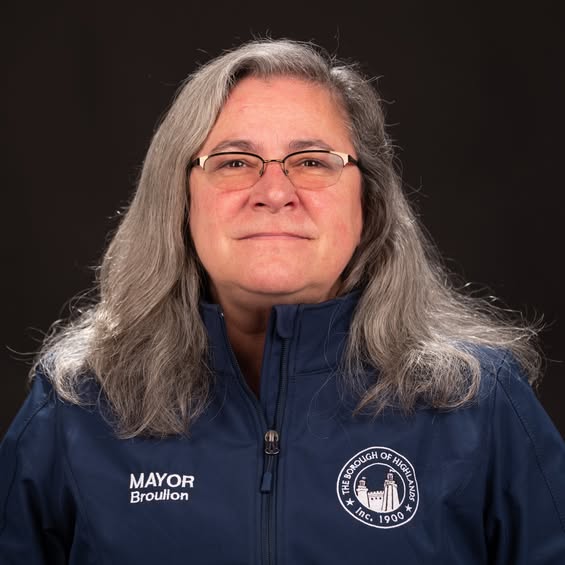
Highlands Mayor Carolyn Broullon
Mayor Carolyn Broullon and Council encourage residents, businesses, and civic organizations to participate in and support initiatives that assist military personnel, veterans, and their families, the resolution notes.
Towards these ends, the governing body further authorized borough officials to coordinate with the Association in order to benefit military-connected families in the borough.
“This is a great program and we’re happy to be the first to adopt to and help bring military families closer together,” Broullon said.
The Association of the US Navy, also known as AUSN is an organization dedicated to supporting U S Navy and Coast Guard personnel, veterans, and their families through advocacy, education, outreach, and community engagement.
The resolution enables the Association to partner with the borough, businesses, civic groups, and others to host networking opportunities and connect military families with support systems and available resources within their communities. It enables the borough to recognize the sacrifices made by members of the Armed Forces and their families and enables it to support the initiatives that strengthen and assist military-connected residents within the community.
Interested residents who have relatives in the military are invited to complete a survey to aid AUSN in providing support and outreach to borough military families.
“Families do not receive the training as military members do,” Broullon said, “yet they have to endure the separations, the concerns the worries of their family members no matter where they are serving. Part of the mission of AUSN is to forge connections with neighbors who are going through similar experiences. Operation Reach Out gives the association the chance to lend a hand to those who need it as well as an opportunity for comradery.”
Broullon and council members first learned about the newly designed Operation Reach Out program when AUSN Executive Director Steve Rogers accepted an invitation to be the guest speaker at last month’s celebration of the connection between the American flag , the Pledge Allegiance and the borough.
The first version of the Pledge, written in 1885 by Union Army Captain George Th. Belch was revised by Francis Bellamy as part of a magazine promotion surrounding the World’s Columbian Exposition in 1892, the 400th anniversary of Christopher Columbus‘ arrival in the Americas. That version was read publicly for the first time at the Twin Lights in Highlands, after being read only by students in schools prior to then.
On Flag Day, June 14, 1954, the Pledge was modified once again to include the words “under God” through the recommendations and work of the Knights of Columbus, an international catholic men’s organization. It is that version that continues to be said today.
Last month, the local council of the Knights, the Rev. Joseph Donnelly Council located in Our Lady of Perpetual Help St Agnes Parish, and the borough coordinated efforts to present a program honoring the anniversary of the present-day Pledge at the Twin Lights. Borough officials, employees, the Police Department, veterans , the American Legion and VFW Post 6902 and others participated in the ceremony .
When Rogers explained the new program that will help military families help each other in times of deployment or family separations, borough officials liked the idea of participating and adopted the resolution at its next meeting.
Persons wanting more information on AUSN can visit their webpage at www.AUSN.org.
Those wanting to complete the survey for the borough’s program can visit
Interested persons are also invited to contact the executive director Lieutenant Commander Steven Rogers USN (Ret) at steve.rogers@ausn.org or call him at 703-548-5800 ext. 110.
A bill is now before the Oversight Reform and Federal Relations committee of the NJ state Assembly, which, if approved, would require all towns to provide basic emergency services similar to current laws that ensure police, firefighting and sanitation services.
The bill was introduced last year by Assemblywoman Carol Murphy of Burlington County, and was recently approved by the Assembly’s Public Safety and Preparedness Committee.
Basic life support services are defined as care for stabilizing a patient, transporting that person to a hospital, providing cardiopulmonary resuscitation or CPR, controlling bleeding, stabilizing fractures or wounds and other techniques.
“This bill simply makes the law match what common sense already tells every taxpayer and every parent who has ever dialed 911,” said Chief Kevin Beyrouty, a leader with the New Jersey Firefighters Mutual Benevolent Association, which represents firefighters, emergency medical technicians and emergency dispatchers who support the proposal.
Murphy wants volunteers included in the scope of the legislation and said she is working with various stakeholders on amendments. She advanced the bill last week in spite of that, she said, so it can be done before lawmakers break for the summer. A companion version, with bipartisan sponsorship, is also undergoing changes in the Senate, she said, where it cleared one committee in March.
“It is the idea of being able to ensure that people have access to healthcare, access to medical care and EMS service as well. And the best way to do that is to make sure our volunteers are part of that,” Murphy said. The bill now goes to the Assembly Oversight, Reform and Federal Relations Committee for its approval.
Advocates for the measure said it is needed to strengthen a growing fragile emergency response system, a patchwork of volunteer and paid squads associated with fire departments, hospitals and private companies. Statistics show that while there were approximately 400 volunteer rescue squads in the early 2000s, today there are fewer than half that many in 2026.
To meet the bill requirements, municipalities could contract with a licensed company or non-profit entity, enter an agreement with a hospital or fire department, or create a mutual aid pact with another town or communities in a region.
The Public Safety Committee also approved a bill calling for the state Department of Health to create a statewide emergency medical services plan that would require the state to assess the level of EMS services available in each community and create a coordinated statewide plan with goals for improvement, performance and timelines for reporting data. That bill now heads to the Assembly Appropriations Committee.
CHAPTER 1 LOOMINGS. Call Me Ishmael. Some years ago—never mind how long precisely—having little or no money in my purse, and nothing particular to interest me on shore, I thought I would sail about a little and see the watery part of the world. It is a way I have of driving off the spleen, and regulating the circulation. Whenever I find myself growing grim about the mouth; whenever it is a damp, drizzly November in my soul; whenever I find myself involuntarily pausing before coffin warehouses, and bringing up the rear of every funeral I meet; and especially whenever my hypos get such an upper hand of me, that it requires a strong moral principle to prevent me from deliberately stepping into the street, and methodically knocking people’s hats off—then, I account it high time to get to sea as soon as I can. This is my substitute for pistol and ball. With a philosophical flourish Cato throws himself upon his sword; I quietly take to the ship. There is nothing surprising in this. If they but knew it, almost all men in their degree, some time or other, cherish very nearly the same feelings towards the ocean with me. There now is your insular city of the Manhattoes, belted round by wharves as Indian isles by coral reefs—commerce surrounds it with her surf. Right and left, the streets take you waterward. Its extreme down-town is the Battery, where that noble mole is washed by waves, and cooled by breezes, which a few hours previous were out of sight of land. Look at the crowds of water-gazers there. Circumambulate the city of a dreamy Sabbath afternoon. Go from Corlears Hook to Coenties Slip, and from thence, by Whitehall, northward. What do you see?—Posted like silent sentinels all around the town, stand thousands upon thousands of mortal men fixed in ocean reveries. Some leaning against the spiles; some seated upon the pier-heads; some looking over the bulwarks of ships from China; some high aloft in the rigging, as if striving to get a still better seaward peep. But these are all landsmen; of week days pent up in lath and plaster—tied to counters, nailed to benches, clinched to desks. How then is this? Are the green fields gone? What do they here?
CHAPTER 1 LOOMINGS. Call Me Ishmael. Some years ago—never mind how long precisely—having little or no money in my purse, and nothing particular to interest me on shore, I thought I would sail about a little and see the watery part of the world. It is a way I have of driving off the spleen, and regulating the circulation. Whenever I find myself growing grim about the mouth; whenever it is a damp, drizzly November in my soul; whenever I find myself involuntarily pausing before coffin warehouses, and bringing up the rear of every funeral I meet; and especially whenever my hypos get such an upper hand of me, that it requires a strong moral principle to prevent me from deliberately stepping into the street, and methodically knocking people’s hats off—then, I account it high time to get to sea as soon as I can. This is my substitute for pistol and ball. With a philosophical flourish Cato throws himself upon his sword; I quietly take to the ship. There is nothing surprising in this. If they but knew it, almost all men in their degree, some time or other, cherish very nearly the same feelings towards the ocean with me. There now is your insular city of the Manhattoes, belted round by wharves as Indian isles by coral reefs—commerce surrounds it with her surf. Right and left, the streets take you waterward. Its extreme down-town is the Battery, where that noble mole is washed by waves, and cooled by breezes, which a few hours previous were out of sight of land. Look at the crowds of water-gazers there. Circumambulate the city of a dreamy Sabbath afternoon. Go from Corlears Hook to Coenties Slip, and from thence, by Whitehall, northward. What do you see?—Posted like silent sentinels all around the town, stand thousands upon thousands
The Monmouth County Board of Commissioners and the Monmouth County Library Commission honored Frank Wells, Union Beach on the occasion of his stepping down after more than two decades as a member of the Monmouth County Library Commission.
“As Chairman of the Monmouth County Library Commission, I have had the honor of serving eight years alongside Frank and witnessed firsthand his dedication to our communities,” said Library Commission Chair Brian Boms. “From his more than 40 years in the U.S. Army to more than 50 years on the Union Beach Planning Board, his time on the Union Beach Borough Council, and two decades with the Monmouth County Library Commission, Frank’s commitment to serving others has never wavered.”
Monmouth County Commissioner Thomas Arnone and all the commissioners presented a resolution to Wells at a ceremony at the Hall of Records last month.
All joined Boms in praising Wells’ leadership, experience, and steady presence which Arnone noted, have left a lasting impact on the Monmouth County Library System and throughout Monmouth County. “We thank him for his many years of service and wish him happiness, health, and fulfillment in retirement,” the Commissioners said.
CHAPTER 1 LOOMINGS. Call Me Ishmael. Some years ago—never mind how long precisely—having little or no money in my purse, and nothing particular to interest me on shore, I thought I would sail about a little and see the watery part of the world. It is a way I have of driving off the spleen, and regulating the circulation. Whenever I find myself growing grim about the mouth; whenever it is a damp, drizzly November in my soul; whenever I find myself involuntarily pausing before coffin warehouses, and bringing up the rear of every funeral I meet; and especially whenever my hypos get such an upper hand of me, that it requires a strong moral principle to prevent me from deliberately stepping into the street, and methodically knocking people’s hats off—then, I account it high time to get to sea as soon as I can. This is my substitute for pistol and ball. With a philosophical flourish Cato throws himself upon his sword; I quietly take to the ship. There is nothing surprising in this. If they but knew it, almost all men in their degree, some time or other, cherish very nearly the same feelings towards the ocean with me. There now is your insular city of the Manhattoes, belted round by wharves as Indian isles by coral reefs—commerce surrounds it with her surf. Right and left, the streets take you waterward. Its extreme down-town is the Battery, where that noble mole is washed by waves, and cooled by breezes, which a few hours previous were out of sight of land. Look at the crowds of water-gazers there. Circumambulate the city of a dreamy Sabbath afternoon. Go from Corlears Hook to Coenties Slip, and from thence, by Whitehall, northward. What do you see?—Posted like silent sentinels all around the town, stand thousands upon thousands of mortal men fixed in ocean reveries. Some leaning against the spiles; some seated upon the pier-heads; some looking over the bulwarks of ships from China; some high aloft in the rigging, as if striving to get a still better seaward peep. But these are all landsmen; of week days pent up in lath and plaster—tied to counters, nailed to benches, clinched to desks. How then is this? Are the green fields gone? What do they here?
CHAPTER 1 LOOMINGS. Call Me Ishmael. Some years ago—never mind how long precisely—having little or no money in my purse, and nothing particular to interest me on shore, I thought I would sail about a little and see the watery part of the world. It is a way I have of driving off the spleen, and regulating the circulation. Whenever I find myself growing grim about the mouth; whenever it is a damp, drizzly November in my soul; whenever I find myself involuntarily pausing before coffin warehouses, and bringing up the rear of every funeral I meet; and especially whenever my hypos get such an upper hand of me, that it requires a strong moral principle to prevent me from deliberately stepping into the street, and methodically knocking people’s hats off—then, I account it high time to get to sea as soon as I can. This is my substitute for pistol and ball. With a philosophical flourish Cato throws himself upon his sword; I quietly take to the ship. There is nothing surprising in this. If they but knew it, almost all men in their degree, some time or other, cherish very nearly the same feelings towards the ocean with me. There now is your insular city of the Manhattoes, belted round by wharves as Indian isles by coral reefs—commerce surrounds it with her surf. Right and left, the streets take you waterward. Its extreme down-town is the Battery, where that noble mole is washed by waves, and cooled by breezes, which a few hours previous were out of sight of land. Look at the crowds of water-gazers there. Circumambulate the city of a dreamy Sabbath afternoon. Go from Corlears Hook to Coenties Slip, and from thence, by Whitehall, northward. What do you see?—Posted like silent sentinels all around the town, stand thousands upon thousands of mortal men fixed in ocean reveries. Some leaning against the spiles; some seated upon the pier-heads; some looking over the bulwarks of ships from China; some high aloft in the rigging, as if striving to get a still better seaward peep. But these are all landsmen; of week days pent up in lath and plaster—tied to counters, nailed to benches, clinched to desks. How then is this? Are the green fields gone? What do they here?
CHAPTER 1 LOOMINGS. Call Me Ishmael. Some years ago—never mind how long precisely—having little or no money in my purse, and nothing particular to interest me on shore, I thought I would sail about a little and see the watery part of the world. It is a way I have of driving off the spleen, and regulating the circulation. Whenever I find myself growing grim about the mouth; whenever it is a damp, drizzly November in my soul; whenever I find myself involuntarily pausing before coffin warehouses, and bringing up the rear of every funeral I meet; and especially whenever my hypos get such an upper hand of me, that it requires a strong moral principle to prevent me from deliberately stepping into the street, and methodically knocking people’s hats off—then, I account it high time to get to sea as soon as I can. This is my substitute for pistol and ball. With a philosophical flourish Cato throws himself upon his sword; I quietly take to the ship. There is nothing surprising in this. If they but knew it, almost all men in their degree, some time or other, cherish very nearly the same feelings towards the ocean with me. There now is your insular city of the Manhattoes, belted round by wharves as Indian isles by coral reefs—commerce surrounds it with her surf. Right and left, the streets take you waterward. Its extreme down-town is the Battery, where that noble mole is washed by waves, and cooled by breezes, which a few hours previous were out of sight of land. Look at the crowds of water-gazers there. Circumambulate the city of a dreamy Sabbath afternoon. Go from Corlears Hook to Coenties Slip, and from thence, by Whitehall, northward. What do you see?—Posted like silent sentinels all around the town, stand thousands upon thousands of mortal men fixed in ocean reveries. Some leaning against the spiles; some seated upon the pier-heads; some looking over the bulwarks of ships from China; some high aloft in the rigging, as if striving to get a still better seaward peep. But these are all landsmen; of week days pent up in lath and plaster—tied to counters, nailed to benches, clinched to desks. How then is this? Are the green fields gone? What do they here?
While there has been no further activity between the borough of Atlantic Highlands and Their Place, the soon-to-open non-profit organization that assists people of all ages with special needs, it does not appear that anyone on the governing body has any concern about traffic or parking impact on the residential community around 55 South Avenue.
That was made clear at last night’s meeting of the governing body, when resident Mark Fisher noted that in judging from the number of consumers who use or could be using the program and the number of staff members, it does not appear either the former Mother Teresa School property nor the adjacent streets can accommodate the number of cars that could be arriving for the program on a daily basis.
Residents have brought up a number of concerns about the rental of the former K-8 Mother Teresa School, which has been closed for several years, to Their Place, a non-profit organization based in Middlesex County in light of the fact the new use was permitted by the borough’s zoning office … without any referral to the planning board for a change of use.
While Borough Clerk Michelle Clark is the zoning officer who issued the permit making it unnecessary to go before the planning board, all questions concerning it were ferried to borough administrator Caleb Stratton.
It appears Clark accepted the firm’s application for use for educational purposes as similar to the K-8 elementary school it had been for years before its closure. The borough’s legal definition of educational use is:
Public, parochial or private elementary or secondary schools, duly licensed by the State of New Jersey, attendance at which is sufficient compliance with the compulsory education requirements of the state. Summer camps should not be considered as educational uses or accessories to such uses. Duly accredited colleges and universities shall also be considered educational uses.
At last night’s meeting, Stratton said he would answer all questions directed to him in writing, However, he has not yet responded to questions sent to him four weeks ago, explaining he was on vacation for one week during that time.
Caleb Stratton, Borough Administrator, Borough of Atlantic Highlands
At Monday’s meeting, Fisher noted in gathering information about Their Place, he learned that in 2015, there were 250 consumers and 175 employees, presumably instructors. That number in 2024, the last year records show for information, there are now 183 employees, meaning the ratio is really close to 1 to 1.
A recent check of the school parking lot, it appeared nearly full to capacity with no fewer than 50 cars, he said, raising the question about where adult consumers and staff members that more than 300 different persons could be will park for the five day a week program.
Without any information on the proposed use, the borough cannot have any idea on the impact of either traffic or parking will have on the neighboring residents or the community at large. Nor does the borough know whether the facility uses bus transportation for its consumers.
Not one of the council members at the meeting responded to the concerns at the meeting, and no one on council made any suggestion as to where the information might be sought.
Atlantic Highlands Mayor Lori Hohenleitner
Local resident Joshua Leinsdorf read the letter which appeared in last Sunday’s bulletin for the parish, and Mayor Lori Hohenleitner said the members of the governing body had received a similar letter.
The letter advised residents the Adult Day Habilitation program will be opening and during the summer it will host a community day event inviting all to meet staff, enjoy food and beverages and partake in activities. There was no date mentioned. for the event in the letter, which was from Nicole Appello, Chief Executive Officer for Their Place, Inc.
Appello is the sister of Debrorah Appello, the business manager for Our Lady of Perpetual Help St Agnes parish.
Stratton said at the meeting, and Hohenleitner confirmed, there were two building permits sought, though neither named who applied for the permits. Neither has been paid for yet, so they have not yet been picked up, Stratton said. The permits are for roof repairs and air conditioning and heating for 55 South Avenue. Totaling close to half a million dollars.
Stratton said he reviewed the building permits after being made aware of them at the last council meeting by a local resident.
CHAPTER 1 LOOMINGS. Call Me Ishmael. Some years ago—never mind how long precisely—having little or no money in my purse, and nothing particular to interest me on shore, I thought I would sail about a little and see the watery part of the world. It is a way I have of driving off the spleen, and regulating the circulation. Whenever I find myself growing grim about the mouth; whenever it is a damp, drizzly November in my soul; whenever I find myself involuntarily pausing before coffin warehouses, and bringing up the rear of every funeral I meet; and especially whenever my hypos get such an upper hand of me, that it requires a strong moral principle to prevent me from deliberately stepping into the street, and methodically knocking people’s hats off—then, I account it high time to get to sea as soon as I can. This is my substitute for pistol and ball. With a philosophical flourish Cato throws himself upon his sword; I quietly take to the ship. There is nothing surprising in this. If they but knew it, almost all men in their degree, some time or other, cherish very nearly the same feelings towards the ocean with me. There now is your insular city of the Manhattoes, belted round by wharves as Indian isles by coral reefs—commerce surrounds it with her surf. Right and left, the streets take you waterward. Its extreme down-town is the Battery, where that noble mole is washed by waves, and cooled by breezes, which a few hours previous were out of sight of land. Look at the crowds of water-gazers there. Circumambulate the city of a dreamy Sabbath afternoon. Go from Corlears Hook to Coenties Slip, and from thence, by Whitehall, northward. What do you see?—Posted like silent sentinels all around the town, stand thousands upon thousands of mortal men fixed in ocean reveries. Some leaning against the spiles; some seated upon the pier-heads; some looking over the bulwarks of ships from China; some high aloft in the rigging, as if striving to get a still better seaward peep. But these are all landsmen; of week days pent up in lath and plaster—tied to counters, nailed to benches, clinched to desks. How then is this? Are the green fields gone? What do they here?
Although he Atlantic Highlands Borough Administrator has not yet responded to requests for further information about the opening of a non-profit organization’s activity in the former Mother Teresa School on South Avenue, the organization’s Chief Executive Officer issued information last week to both borough officials and parishioners of the Catholic Parish that an Adult Day Habilitation program will be opening in June.
Caleb Stratton, Borough Administrator in Atlantic Highlands.
Mayor and Council had been questioned at the last meeting about the issuance of permits and approvals for Their Place, a non-profit organization that supports adults and children and families with intellectual disabilities. Fire official Martin Hawley had issued a CO for the premises that meet the requirements of a residence, and building permits have been sought for both a new roof and air conditioning for the school, which has been closed for several years. At the last council meeting, Mayor Lori Hohenleitner had said zoning officer Michele Clark issued the approval for the business without any need for the application to go before the planning board.
Atlantic Highlands Mayor, Lori Hohenlietner
Nicole Appello, the CEO of Their Place, had a full-page letter in the Sunday bulletin for Our Lady of Perpetual Help St. Agnes Parish last Sunday identifying herself and the business, and inviting anyone who has a family member with a developmental disability and needs services to reach out to her Intake Coordinator.
Appello, who is the sister of parish business administrator Deborah Appello, said in the letter the facility will be opening in June, and a community day event will be hosted this summer where “you will be invited to meet our staff, enjoy delicious food and beverages and partake in activities.” A similar invitation had been sent to borough officials earlier.
In her letter, Nicole Appello also said she has been coming to the borough for years, “visiting your shops, eateries and marina, “ and said the borough “holds a special place in my heart.” She added “I just know you will love our individuals and program “ and urged “if you see us around town, I encourage you to say hello.”
She identified her Intake coordinator as Christian Guaman and invited calls at 848-334-0716.
Their Place is a licensed 501(C)(3) non-profit organization whose information on line from 2024 shows it is 99% Medicaid funded. Appello’s salary as posted for that year is listed as $195,959 inclusive of all compensations.
Residents at the last council meeting questioned whether the new use is a change of use, or is the facility identified as a day habilitation program considered the same use as a K-8 elementary school. The local borough ordinance defines education use as
Public, parochial or private elementary or secondary schools, duly licensed by the State of New Jersey, attendance at which is sufficient compliance with the compulsory education requirements of the state. Summer camps should not be considered as educational uses or accessories to such uses. Duly accredited colleges and universities shall also be considered educational uses.
CHAPTER 1 LOOMINGS. Call Me Ishmael. Some years ago—never mind how long precisely—having little or no money in my purse, and nothing particular to interest me on shore, I thought I would sail about a little and see the watery part of the world. It is a way I have of driving off the spleen, and regulating the circulation. Whenever I find myself growing grim about the mouth; whenever it is a damp, drizzly November in my soul; whenever I find myself involuntarily pausing before coffin warehouses, and bringing up the rear of every funeral I meet; and especially whenever my hypos get such an upper hand of me, that it requires a strong moral principle to prevent me from deliberately stepping into the street, and methodically knocking people’s hats off—then, I account it high time to get to sea as soon as I can. This is my substitute for pistol and ball. With a philosophical flourish Cato throws himself upon his sword; I quietly take to the ship. There is nothing surprising in this. If they but knew it, almost all men in their degree, some time or other, cherish very nearly the same feelings towards the ocean with me. There now is your insular city of the Manhattoes, belted round by wharves as Indian isles by coral reefs—commerce surrounds it with her surf. Right and left, the streets take you waterward. Its extreme down-town is the Battery, where that noble mole is washed by waves, and cooled by breezes, which a few hours previous were out of sight of land. Look at the crowds of water-gazers there. Circumambulate the city of a dreamy Sabbath afternoon. Go from Corlears Hook to Coenties Slip, and from thence, by Whitehall, northward. What do you see?—Posted like silent sentinels all around the town, stand thousands upon thousands of mortal men fixed in ocean reveries. Some leaning against the spiles; some seated upon the pier-heads; some looking over the bulwarks of ships from China; some high aloft in the rigging, as if striving to get a still better seaward peep. But these are all landsmen; of week days pent up in lath and plaster—tied to counters, nailed to benches, clinched to desks. How then is this? Are the green fields gone? What do they here?
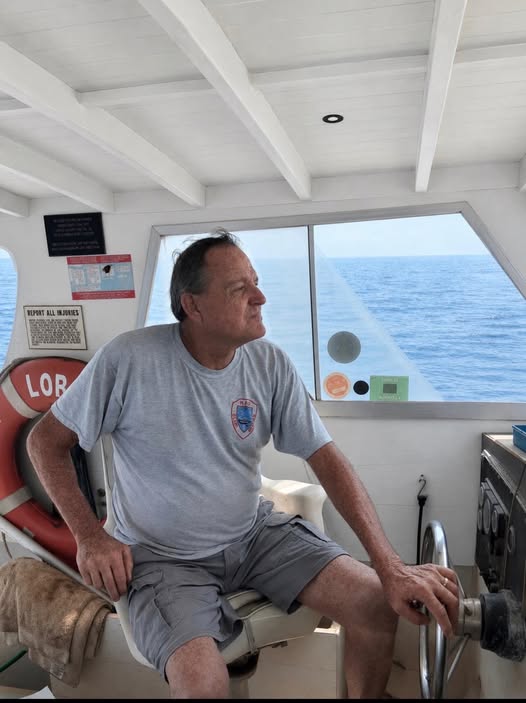
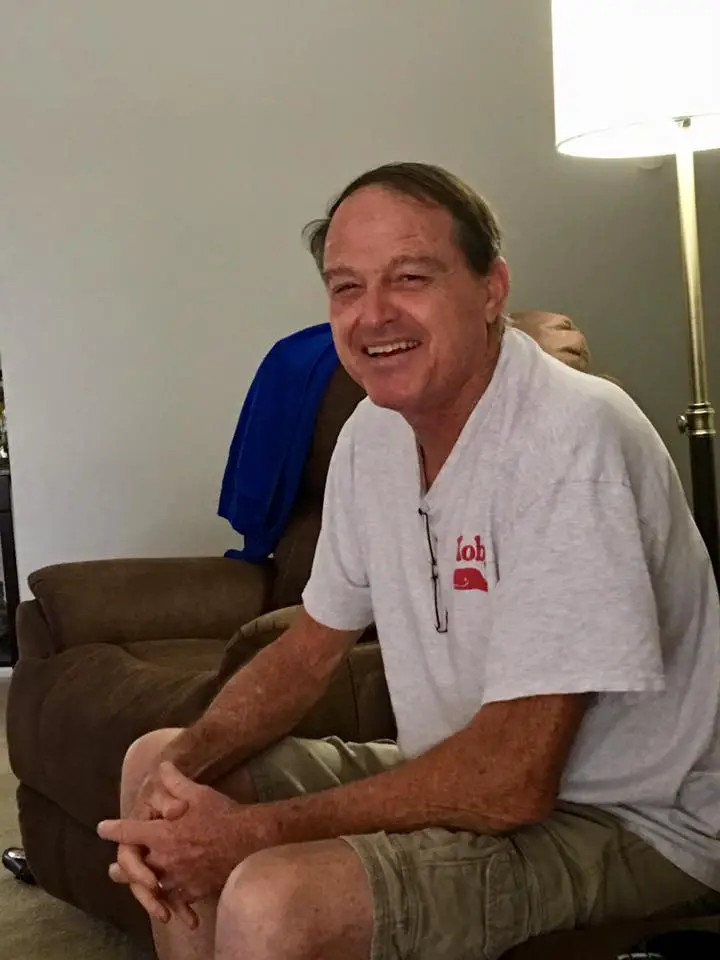
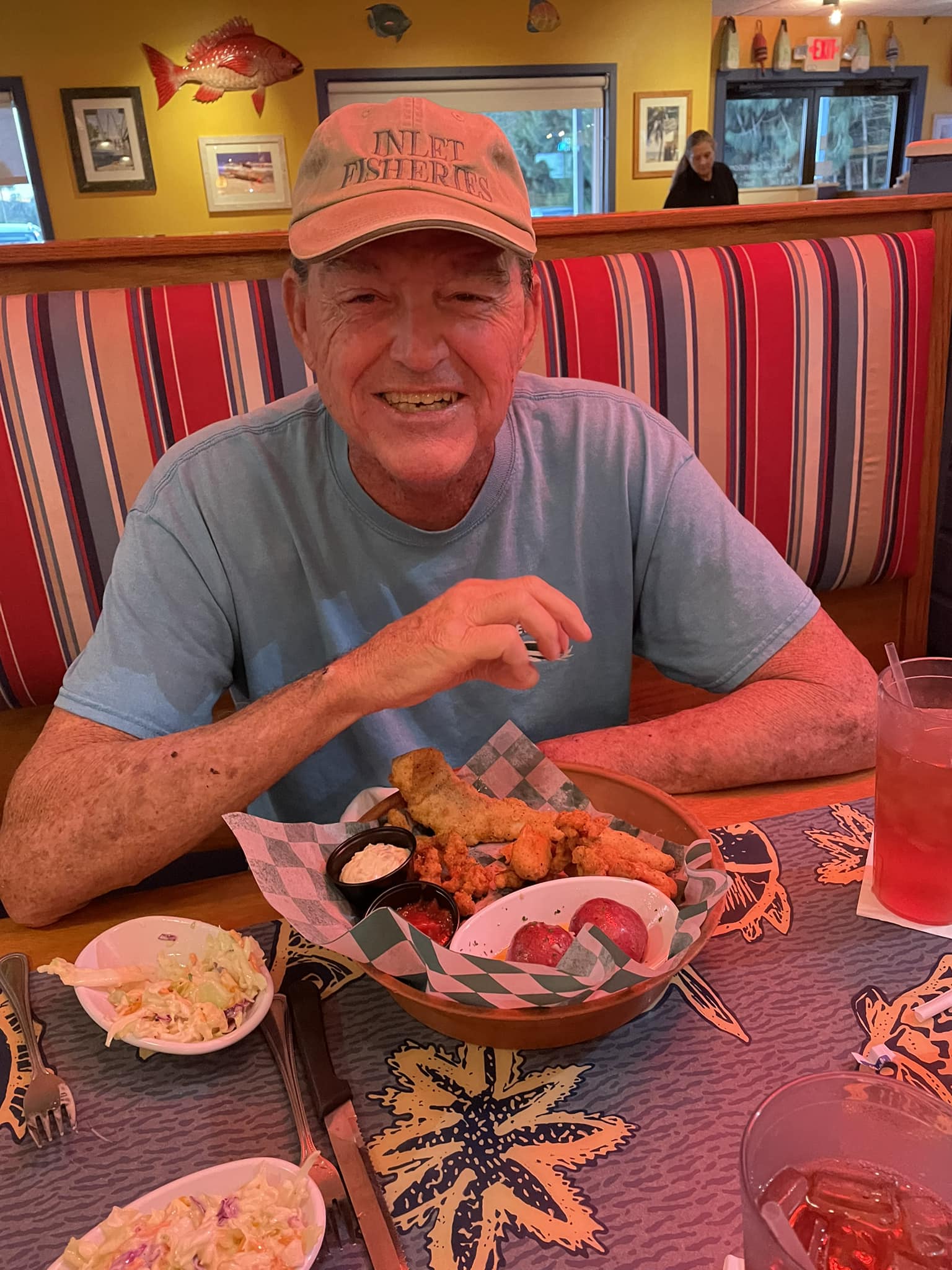
Piece Funeral services were held Friday, May 29, in Vero Beach, Florida, for Leslie Elmer Layton, 77, who died peacefully at home in Vero Beach May 23, surrounded by the love of his family.
Born at Monmouth Medical Center in Long Branch in February 1949, Les was a Highlands raised clammer and fisherman, devoted to his town and the generations of his family who made their own marks on the Bayshore community and surrounding area for more than two centuries.
Known for his warm personality, quick wit, and gift for conversation, Les could strike up a friendship with anyone he met, earning him the affectionate family nickname, “The Mayor.” His sense of humor and welcoming spirit left a lasting impression on everyone fortunate enough to know him.
Beyond his work and family, Les had a passion for genealogy and tracing his family roots. He dedicated countless hours to researching relatives, preserving family history, and maintaining a Find a Grave memorial page that helped connect generations of family members over the years. He was also a proud member of the Historical Society of Highlands, reflecting his deep connection to his hometown and its history.
Les also believed strongly in service to others. He was a former volunteer member of the Highlands Fire Department and the Highlands First Aid Squad like his father before him, organizations he proudly supported during his years in New Jersey.
He was preceded in death by his mother, Ruth Morrison Layton; his father, Elmer Leslie Layton; and his brother, Craig Layton.
Les lived a life defined by devotion to family, hard work, service, and the sea. He second generation of his family to serve, he was a proud Navy veteran, serving aboard the USS Preserver before continuing on the water in the life he knew best He was a sixth-generation commercial fisherman, 100 Ton Master Captain, and member of the Belford Seafood Cooperative, knowing his life working the waters brought both purpose and peace to himself, as well as assistance, help for others, and a secure provision for those he loved most, his family. He felt proud and honored that he was also able to participate in the sea trials for the USS Jimmy Carter.
Above all else, Les was a deeply committed and loving family man. He shared 41 wonderful years of marriage with his beloved wife, Colleen McGrath Layton. He was a proud father to Thomas Elmer Layton and Laura Layton Monroy (Roman), and a devoted grandfather to Roman, Adrian, Christian, and Coral, all of whom brought him immeasurable joy. He cherished every moment spent with his children and grandchildren, whether sharing stories, laughter, or simply enjoying time together.
Les and his Wife of 41 years, Colleen Layton (nee McGrath)
Les also leaves behind a large extended family including his “favorite” mother-in-law Rosemary McGrath as well as multiple sisters- and brothers-in-law, nieces, nephews, cousins, and lifelong friends, all of whom he treasured deeply.
Rosemary McGrath
Les leaves behind a legacy of love, resilience, laughter, and devotion to family and community, as others recognized the depth of his love or the immeasurable place he holds in the hearts of those who loved him.
The Highlands Historical Society has special memories of a Highlands man whose family has contributed and been part of the history of the borough long before it became a borough. Historian Walter Guenther recalls his stories of Highlands and especially fishing and clamming in local waters which he and his family had done for generations. They always would return to Highlands for their Family Reunions around the Clam Fest since they moved to Florida years ago, Guenther recalls.
Women sailors will be participating in the 22nd Annual Ms. Race to benefit 180 Turning Lives Aroundon Saturday August 15.
The gala now historic event will be followed by the Awards Ceremony at the Atlantic Highlands Yacht Club, which sponsors the annual event.
This year’s theme is “Racing for Gold”, commemorates 180’s 50th anniversary and the 250th anniversary of the country.
180 Turning Lives Aroundis a non-profit (501C3) organization dedicated to helping victims of domestic violence and sexual abuse in Monmouth County. It is a much more serious and widespread problem than most people realize. 180 continues to count on the Yacht Club for its help.
Donations to 180 on behalf of the Yacht Club an be made. The link to the 2026 Ms. Race Sponsorship Form with information on sponsorship levels is 2026 Ms. Race Turning Lives Around Donation Link
The deadline to be in the Sponsor booklet is July 25. To become a sponsor for the 2026 Ms. Race, mail the Sponsorship form or donate directly to 180 via the Donate button on the 180 web page for the Ms. Race event. Donations will be graciously accepted at any time if you prefer not to be recognized in the sponsor booklet.
women women women women women To celebrate Feel Good Friday, students participated in a school wide Wellness Day focused on promoting positive habits and self-care. The day began with an engaging and interactive assembly where students explored practical strategies such as relaxation techniques, staying organized, and consistently putting forth their best effort. Following the assembly, students transitioned into breakout groups where they collaborated in team-building activities, strengthening communication, and cooperation. The school’s Drama Club’s production of Willy Wonka was a tremendous success. Following the student dedication to months of hard work, rehearsals, and preparation, their performances reflected both their talent and commitment, resulting in a memorable experience for all who attended. Staff and faculty extended thanks and congratulations to Drama Director Ms. Somma for her outstanding leadership and dedication in bringing this production to life. The school is proud to celebrate the innovation and dedication of it students in this year’s STEAM Tank Challenge. During Enrichment & Innovation, students explored their passions and worked to solve real-world problems, with more than 15 teams entering the initial round. Three teams advanced to the Regional Competition, including two from the 6th grade and one from the 5th grade. The 6th grade teams developed a kid-friendly safe search app and an assistive device to help with jewelry clasps, while the 5th grade team created a prototype focused on safe, interactive learning using AI design and peer feedback. These projects highlight student creativity, empathy, and problem-solving skills, and they were congratulated on their outstanding work. To celebrate Feel Good Friday, students participated in a school wide Wellness Day focused on promoting positive habits and self-care. The day began with an engaging and interactive assembly where students explored practical strategies such as relaxation techniques, staying organized, and consistently putting forth their best effort. Following the assembly, students transitioned into breakout groups where they collaborated in team-building activities, strengthening communication, and cooperation. The school’s Drama Club’s production of Willy Wonka was a tremendous success. Following the student dedication to months of hard work, rehearsals, and preparation, their performances reflected both their talent and commitment, resulting in a memorable experience for all who attended. Staff and faculty extended thanks and congratulations to Drama Director Ms. Somma for her outstanding leadership and dedication in bringing this production to life. The school is proud to celebrate the innovation and dedication of it students in this year’s STEAM Tank Challenge. During Enrichment & Innovation, students explored their passions and worked to solve real-world problems, with more than 15 teams entering the initial round. Three teams advanced to the Regional Competition, including two from the 6th grade and one from the 5th grade. The 6th grade teams developed a kid-friendly safe search app and an assistive device to help with jewelry clasps, while the 5th grade team created a prototype focused on safe, interactive learning using AI design and peer feedback. These projects highlight student creativity, empathy, and problem-solving skills, and they were congratulated on their outstanding work. To celebrate Feel Good Friday, students participated in a school wide Wellness Day focused on promoting positive habits and self-care. The day began with an engaging and interactive assembly where students explored practical strategies such as relaxation techniques, staying organized, and consistently putting forth their best effort. Following the assembly, students transitioned into breakout groups where they collaborated in team-building activities, strengthening communication, and cooperation. The school’s Drama Club’s production of Willy Wonka was a tremendous success. Following the student dedication to months of hard work, rehearsals, and preparation, their performances reflected both their talent and commitment, resulting in a memorable experience for all who attended. Staff and faculty extended thanks and congratulations to Drama Director Ms. Somma for her outstanding leadership and dedication in bringing this production to life. The school is proud to celebrate the innovation and dedication of it students in this year’s STEAM Tank Challenge. During Enrichment & Innovation, students explored their passions and worked to solve real-world problems, with more than 15 teams entering the initial round. Three teams advanced to the Regional Competition, including two from the 6th grade and one from the 5th grade. The 6th grade teams developed a kid-friendly safe search app and an assistive device to help with jewelry clasps, while the 5th grade team created a prototype focused on safe, interactive learning using AI design and peer feedback. These projects highlight student creativity, empathy, and problem-solving skills, and they were congratulated on their outstanding work.HarbisonHarbison women women women women women women